
Most kitchen makeovers don’t fail because of bad ideas — they fail because everything starts to feel like too much. Too many finishes, too many colors, too many “trendy” choices that don’t really sit well together in real life. At some point, you just want something that feels calm, natural, and easy to live with.
That’s usually where white oak comes in. Not because it’s loud or dramatic, but because it quietly solves a lot of design confusion. It has a warmth that softens modern spaces, and a simplicity that keeps traditional spaces from feeling heavy. It doesn’t try to impress you — it just works in the background and somehow makes everything else look better.
If you love light, airy spaces, don’t miss these dreamy kitchen coastal island decor ideas to bring a fresh and relaxed vibe into your home.
In this guide, we’re not talking about random inspiration photos or unrealistic showroom setups. These are real, practical white oak kitchen ideas that actually work in everyday homes. Simple decisions, smart combinations, and design directions you can actually use when planning your own space.
Natural White Oak Finish (Let the Grain Speak)
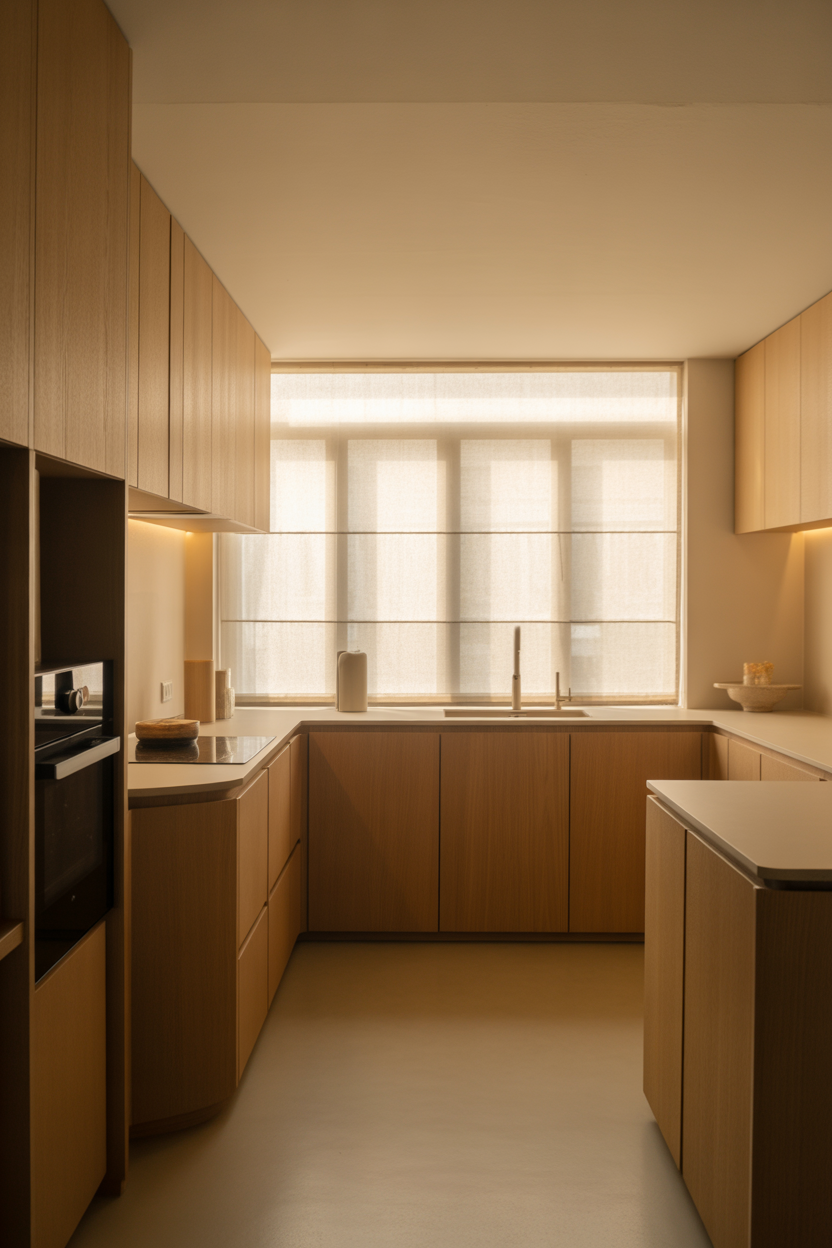
Natural white oak has a quiet kind of beauty that doesn’t need much help. The grain already brings warmth and movement, so heavy stains or strong colors usually feel unnecessary. A light matte or oil finish is enough to protect it while keeping the natural look intact.
When you keep everything around it simple — light walls, soft countertops, and minimal hardware — the wood becomes the main feature without trying too hard. It feels calm, balanced, and very easy to live with.
This is one of those choices that doesn’t go out of style quickly because it relies on natural materials instead of trends.
Quick Tip: Avoid glossy finishes — they take away the soft, natural texture.
White Oak Shaker Cabinets + Matte Black Hardware
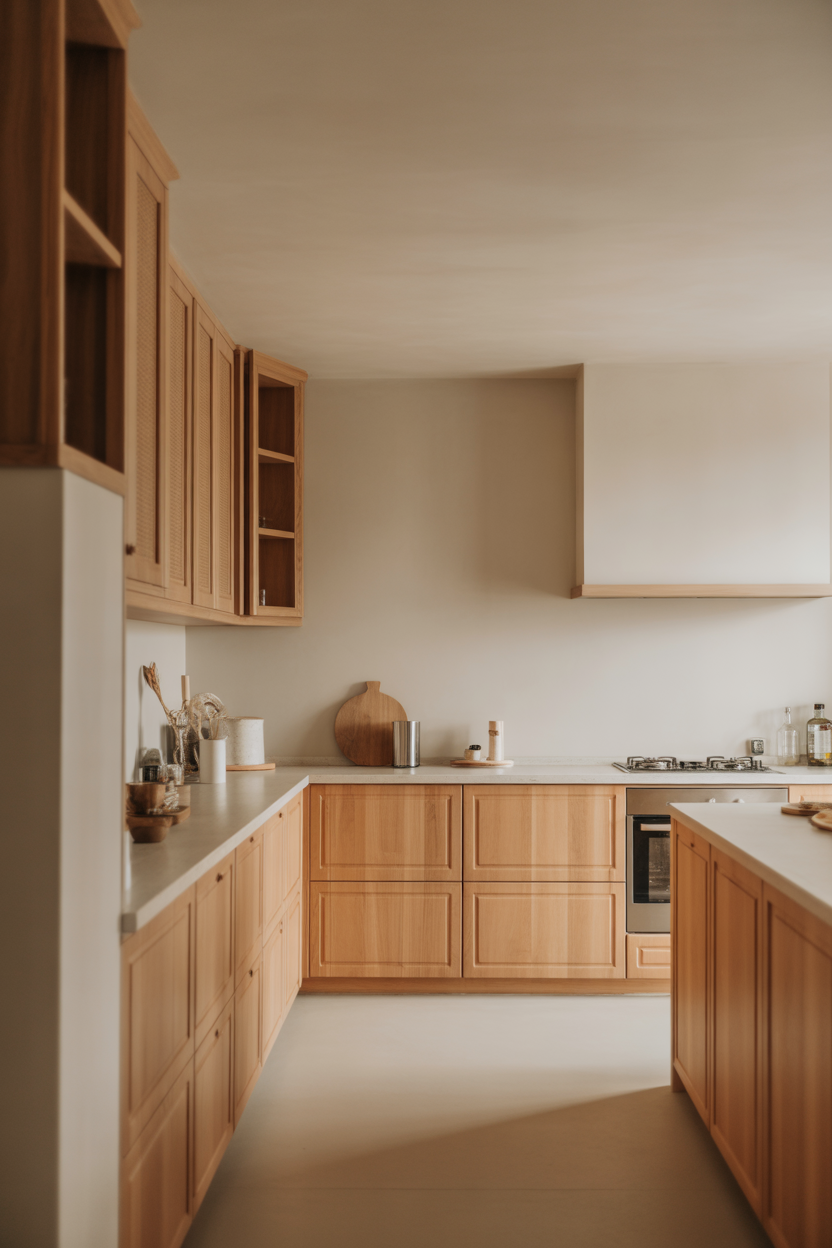
Shaker cabinets are simple but very reliable in design. The framed structure adds just enough detail, and when paired with white oak, it creates a warm but organized look.
Matte black hardware adds contrast, but the wood tone keeps everything from feeling too harsh. The mix works in modern, farmhouse, and transitional kitchens, which makes it a very flexible choice.
It’s a safe design, but still looks intentional and stylish when done properly.
Quick Tip: Keep the backsplash simple so the cabinet design stands out.
Flat-Panel White Oak (Japandi Style)
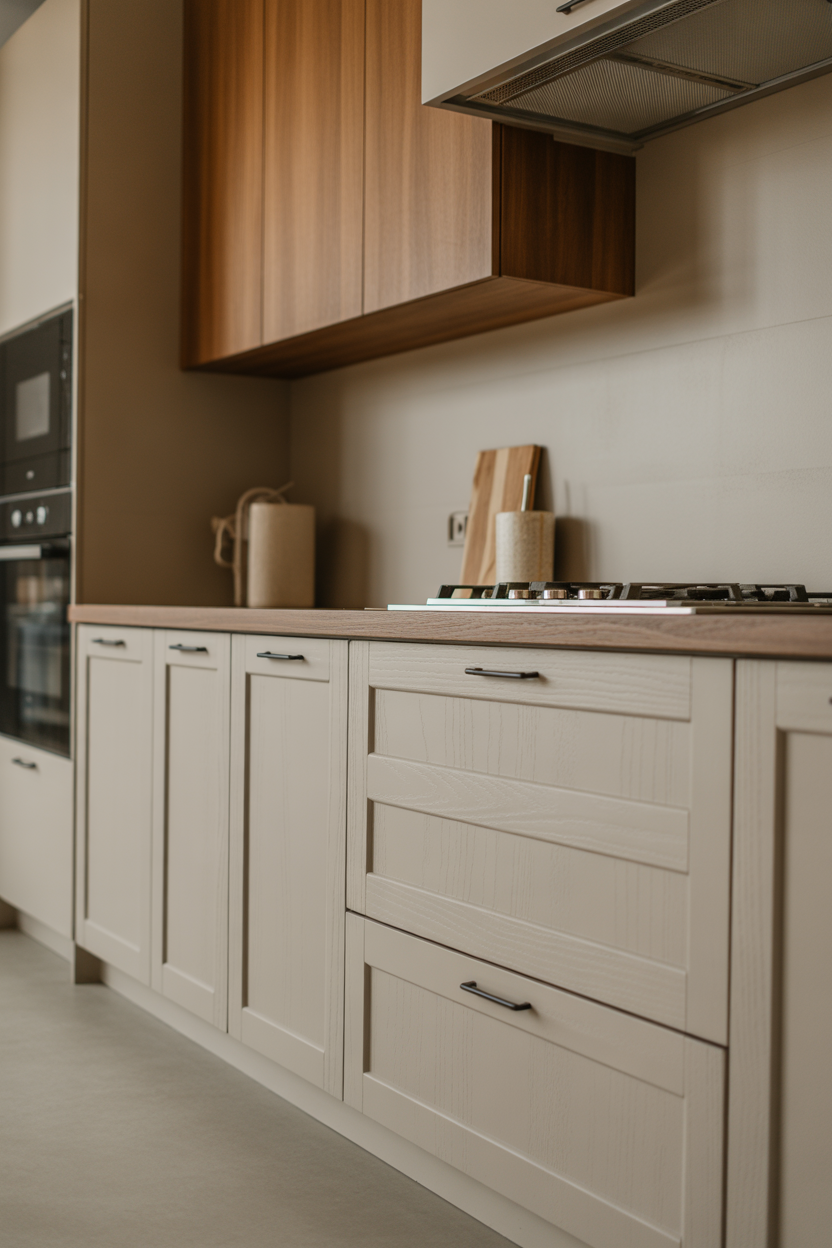
Flat-panel white oak cabinets focus on simplicity. There’s no extra framing or decoration — just smooth wood surfaces that highlight the grain.
This style fits perfectly with Japandi design, which is all about calm, clean, and natural living. The wood adds warmth, while the minimal design keeps things visually light.
It creates a kitchen that feels peaceful and clutter-free, without losing character.
Quick Tip: Handle-less cabinets make the look even cleaner and more modern.
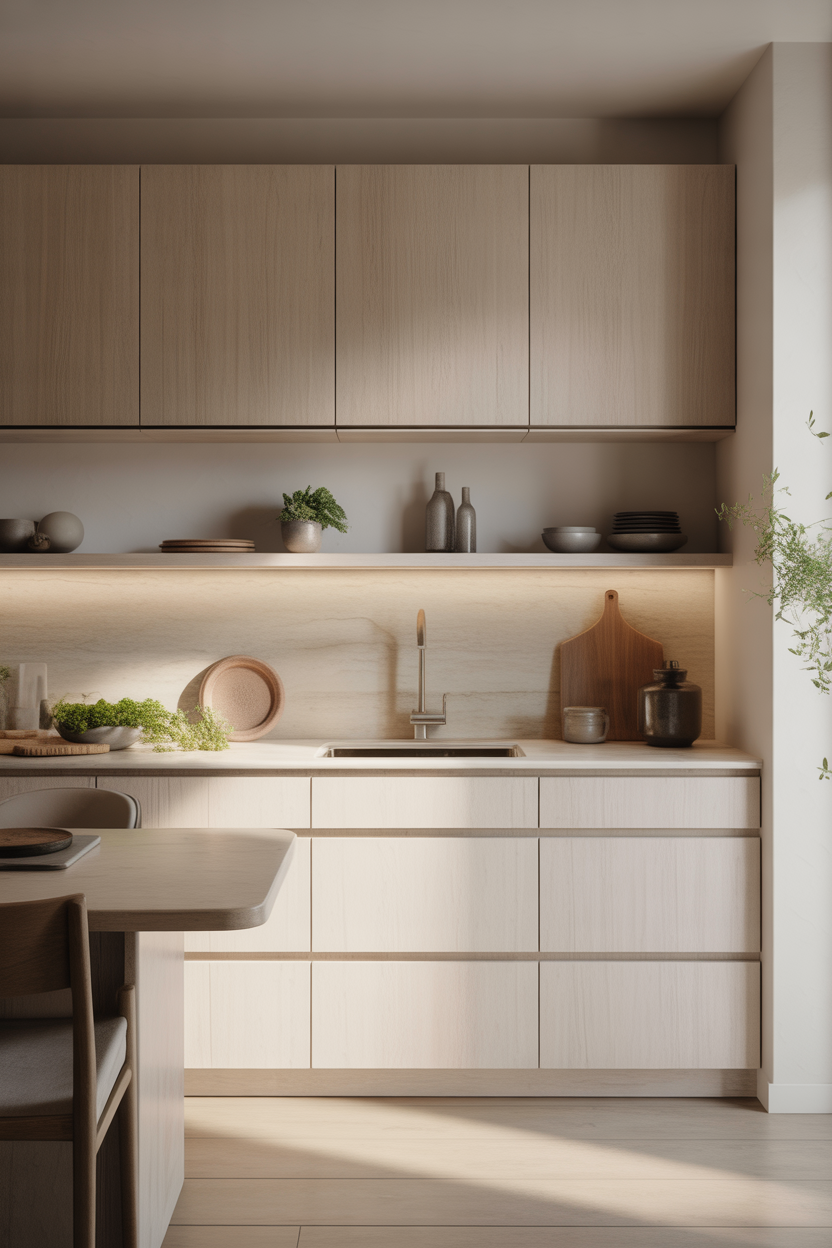
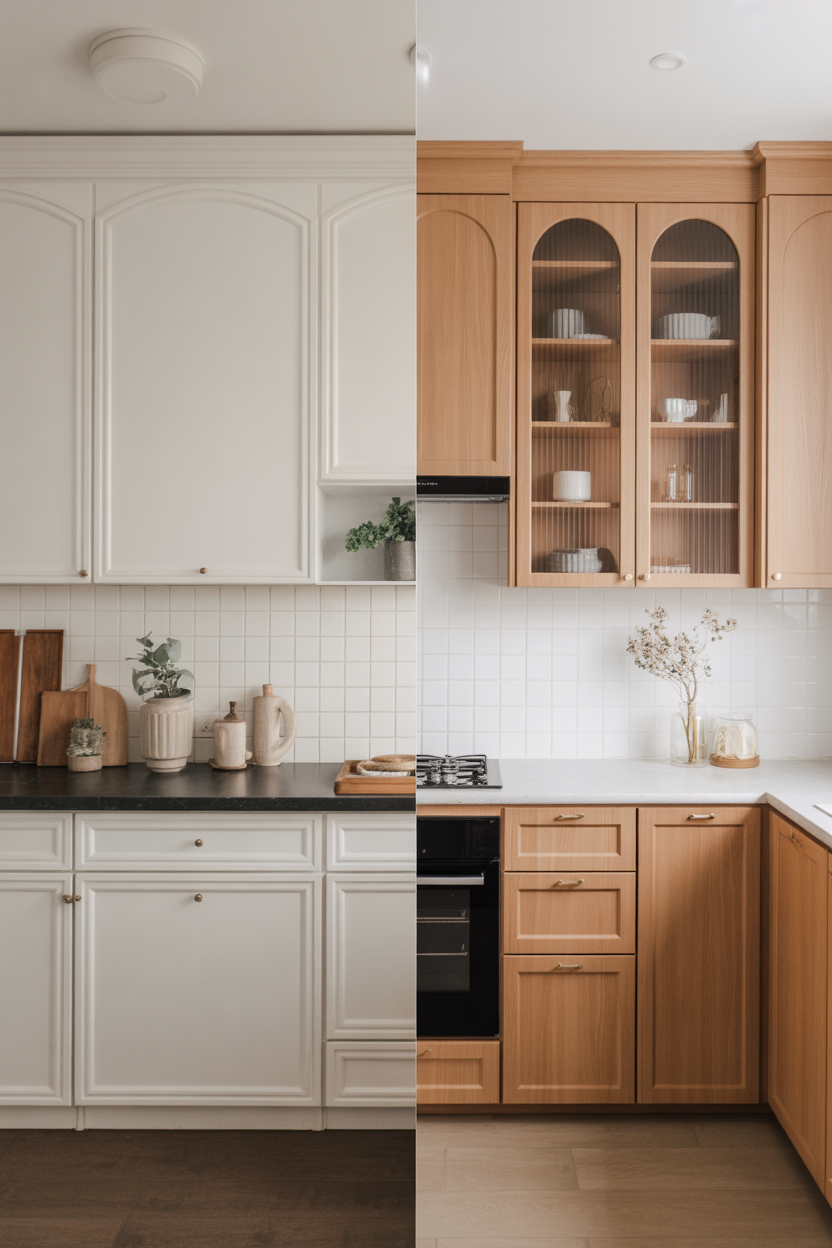
White Oak Lowers + White Uppers
This is a very practical and popular kitchen combination. White oak on the lower cabinets adds warmth and grounding, while white upper cabinets keep the space bright and open.
It works especially well in smaller kitchens because it prevents the room from feeling too heavy. The white color helps reflect light, making everything feel bigger.
Together, the two tones create a nice balance between warmth and freshness.
Quick Tip: Use warm white paint so it blends naturally with oak tones.
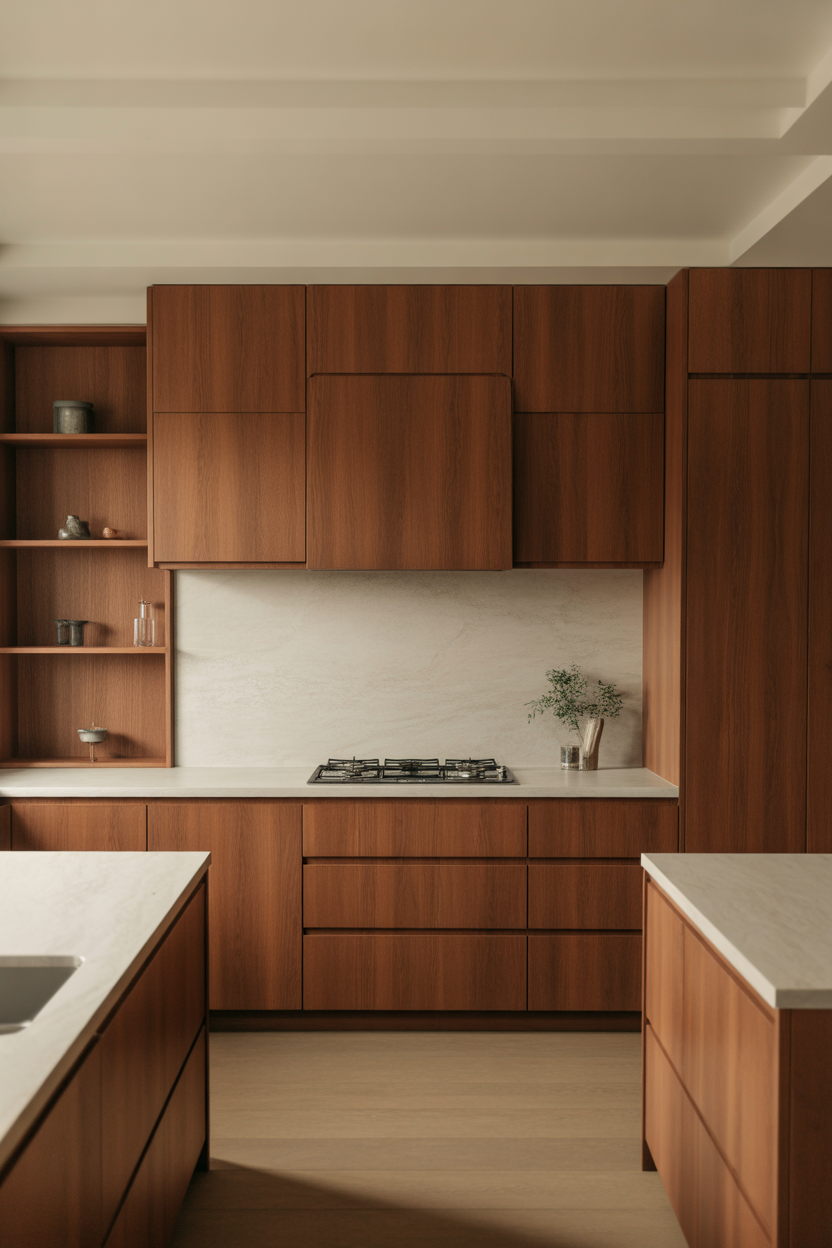
Best Countertops for White Oak
Countertops play a big role in how white oak looks overall. Warm white quartz, soft marble, and light natural stone usually work the best.
The idea is to stay within the same soft-toned family. If the countertop is too cool or too bright, it can make the oak look slightly off or yellowish.
When the tones match properly, the whole kitchen feels connected and smooth.
Quick Tip: Always compare samples in natural daylight before the final decision.
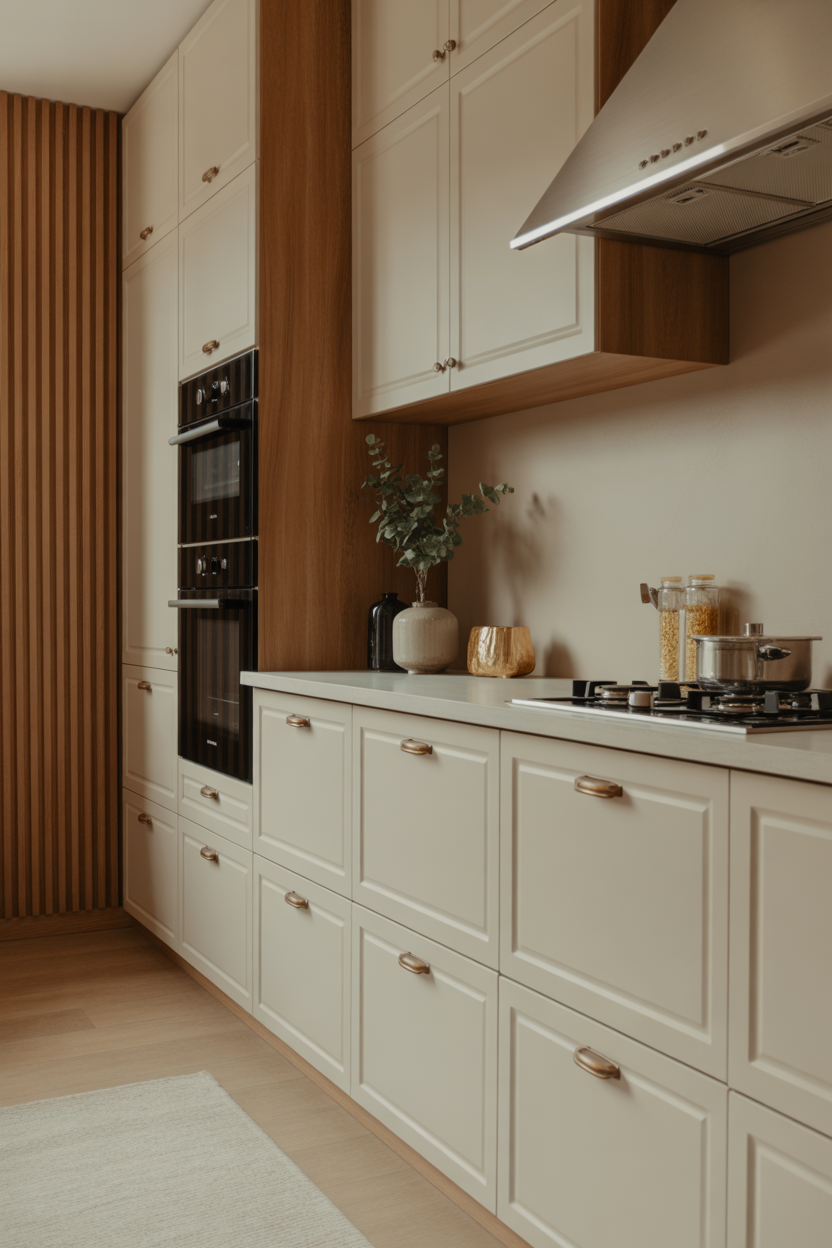
Quarter-Sawn White Oak
Quarter-sawn white oak has a more detailed, refined grain pattern than standard cuts. It sometimes shows a soft shimmering effect that feels very premium.
This detail makes cabinets look more custom and high-end, even if the design is simple. It’s one of those small upgrades that changes the overall feel of the kitchen.
Because it’s more expensive, it’s usually used in feature areas instead of the entire kitchen.
Quick Tip: Use it on islands or focal cabinets to highlight the design.
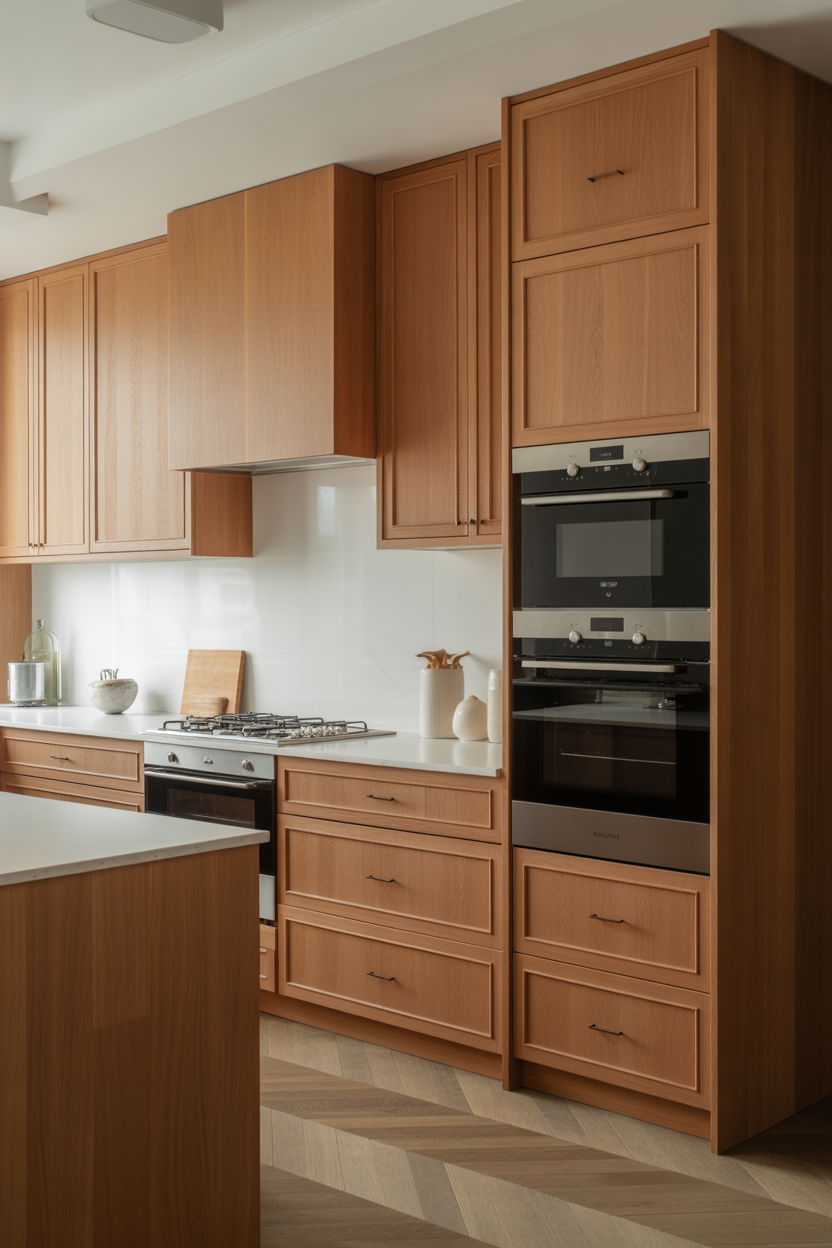
White Oak + Brushed Brass Hardware
White oak and brushed brass naturally work well together because both belong to warm tones. Instead of contrast, they create harmony.
Brass hardware adds a soft luxury feel without being too shiny or loud. It blends into the wood in a way that feels smooth and intentional.
This combination works in both modern and classic kitchens because it doesn’t depend on trends.
Quick Tip: Stick to one metal finish throughout the kitchen for consistency.
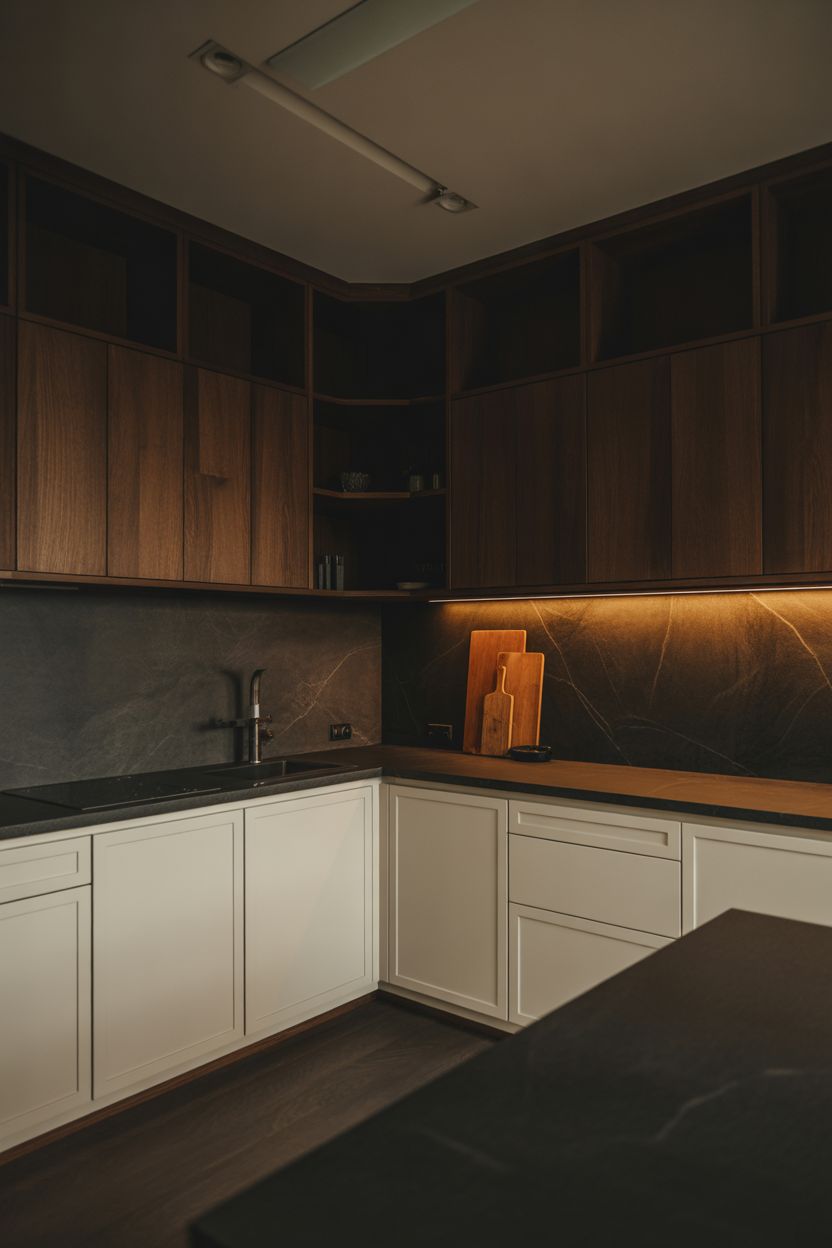
White Oak + Dark Countertops
At first, pairing white oak with dark countertops might feel like a risky choice, but when it’s done right, it actually looks incredibly refined. The contrast between light wood and deep stone creates instant depth in the kitchen. It makes the space feel more designed, more intentional — almost like a high-end architectural project.
The warmth of white oak is what keeps this combination from feeling too heavy. Without it, dark countertops can sometimes make a kitchen feel cold or closed in. But the wood softens that effect and brings everything back into balance.
Lighting plays a huge role here. Warm under-cabinet lighting and a soft backsplash tone help connect the dark and light elements so nothing feels disconnected. It’s a bold choice, but one that really pays off visually.
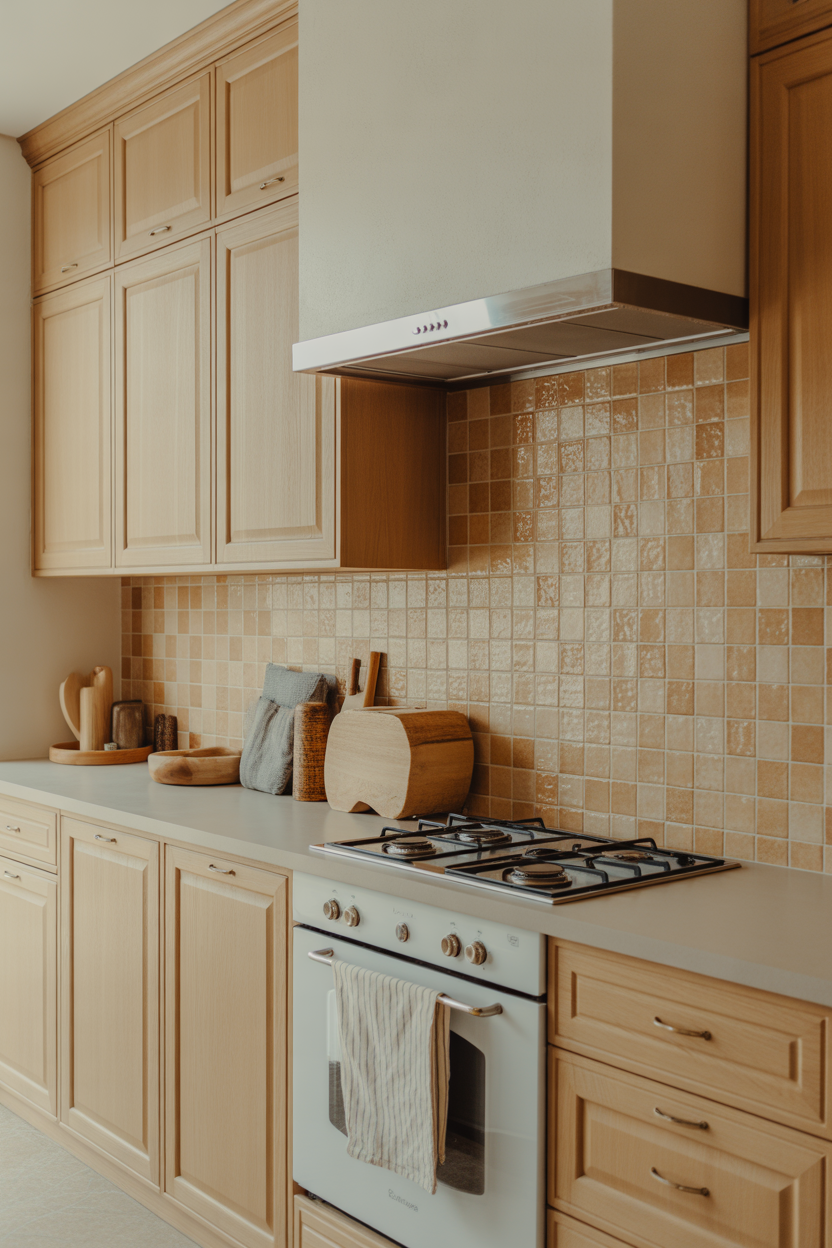
White Oak + Zellige Tile Backsplash (Organic Texture Mix)
Zellige tile has a very handmade, imperfect beauty that feels completely different from machine-made surfaces. Each tile reflects light slightly differently, which creates movement and depth on the wall. When you pair that with white oak, something very natural happens — both materials feel alive.
White oak already has its own grain variation, so the combination doesn’t feel busy. Instead, it feels layered in a soft, organic way. It’s the kind of pairing that makes a kitchen feel warm, lived-in, and full of character.
This look works especially well in kitchens where you don’t want anything too polished or perfect. It leans more toward artisan style — relaxed, textured, and visually interesting without being overwhelming.
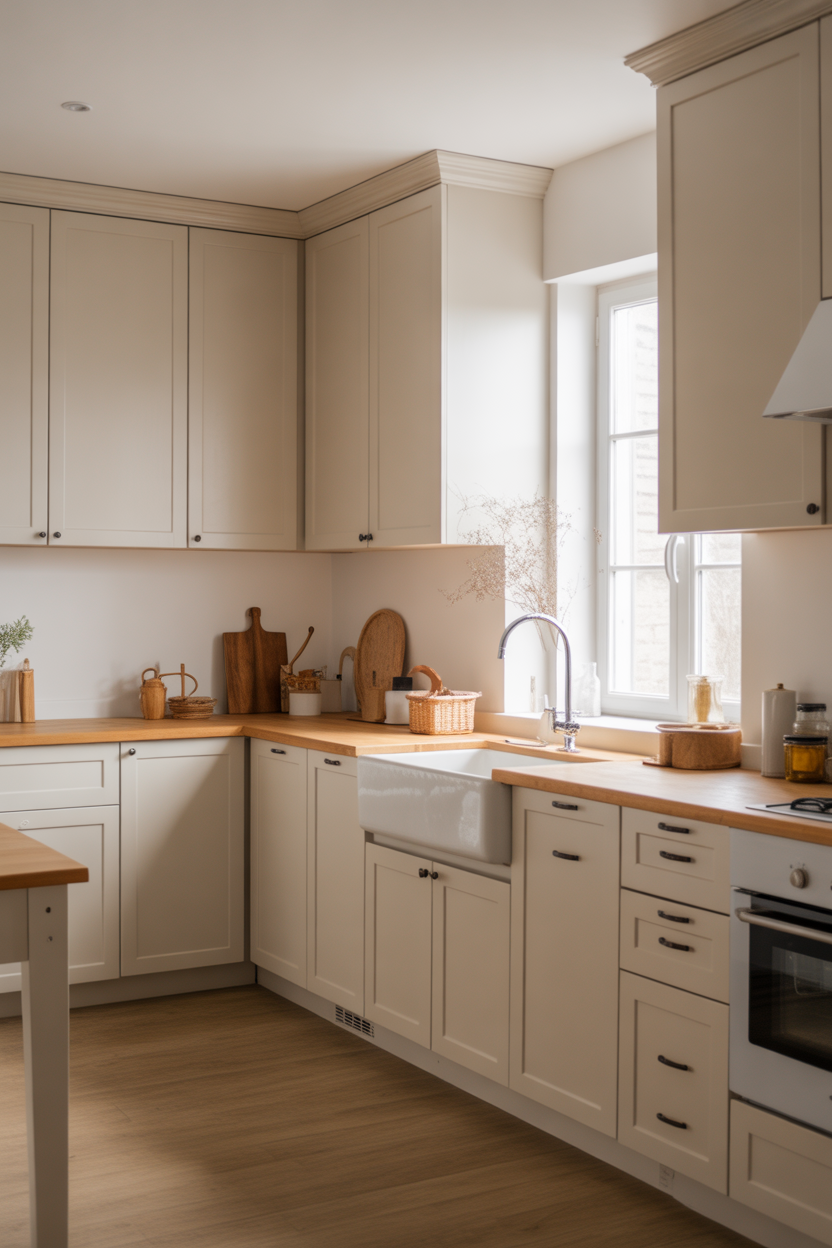
White Oak in a Modern Farmhouse Kitchen
White oak fits beautifully into farmhouse design, but the key is keeping it simple and controlled. When farmhouse kitchens are overdone, they can quickly feel cluttered or overly themed. White oak helps bring that design back to something more grounded.
A shaker cabinet style in natural oak tone pairs well with a classic apron sink and a simple tile backsplash. These are familiar elements, but when kept minimal, they feel timeless rather than trendy.
The warmth of the wood stops the space from feeling too sterile, while the clean lines keep it from becoming too rustic. It’s that middle balance that makes this version of farmhouse design feel more modern and livable.
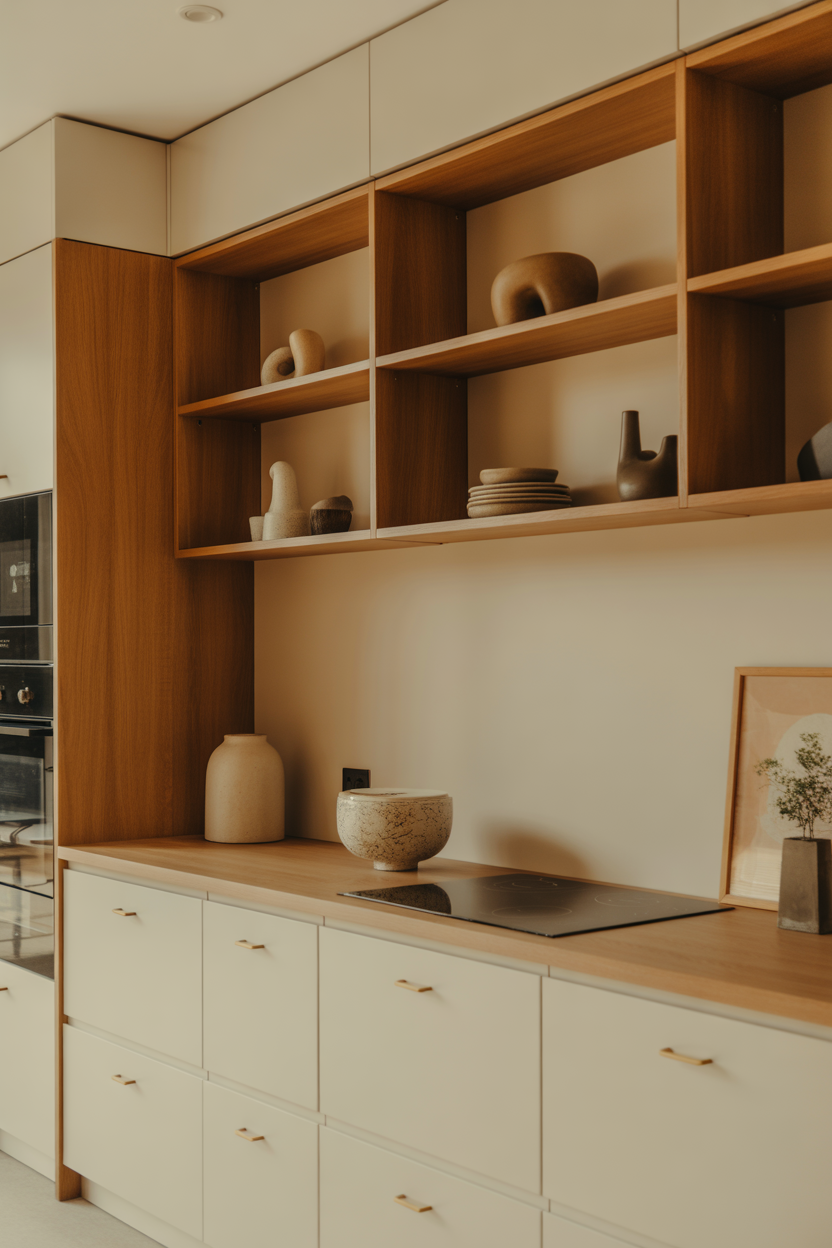
Open Shelving + White Oak Cabinets (Balanced Display Style)
Open shelving can look beautiful, but it only works when it’s used with intention. Mixing a few white oak floating shelves with closed cabinets creates a much more realistic and balanced kitchen layout.
The shelves give you space to display everyday items — like ceramics, glassware, or small plants — without exposing everything. This keeps the kitchen functional but still visually light.
For a timeless and elegant look, check out these 16 dreamy farmhouse French country kitchen ideas that feel straight out of a fairytale.
What makes this combination work is restraint. When shelves are overfilled, they lose their charm. But when styled lightly, they add personality and make the kitchen feel more open and relaxed.
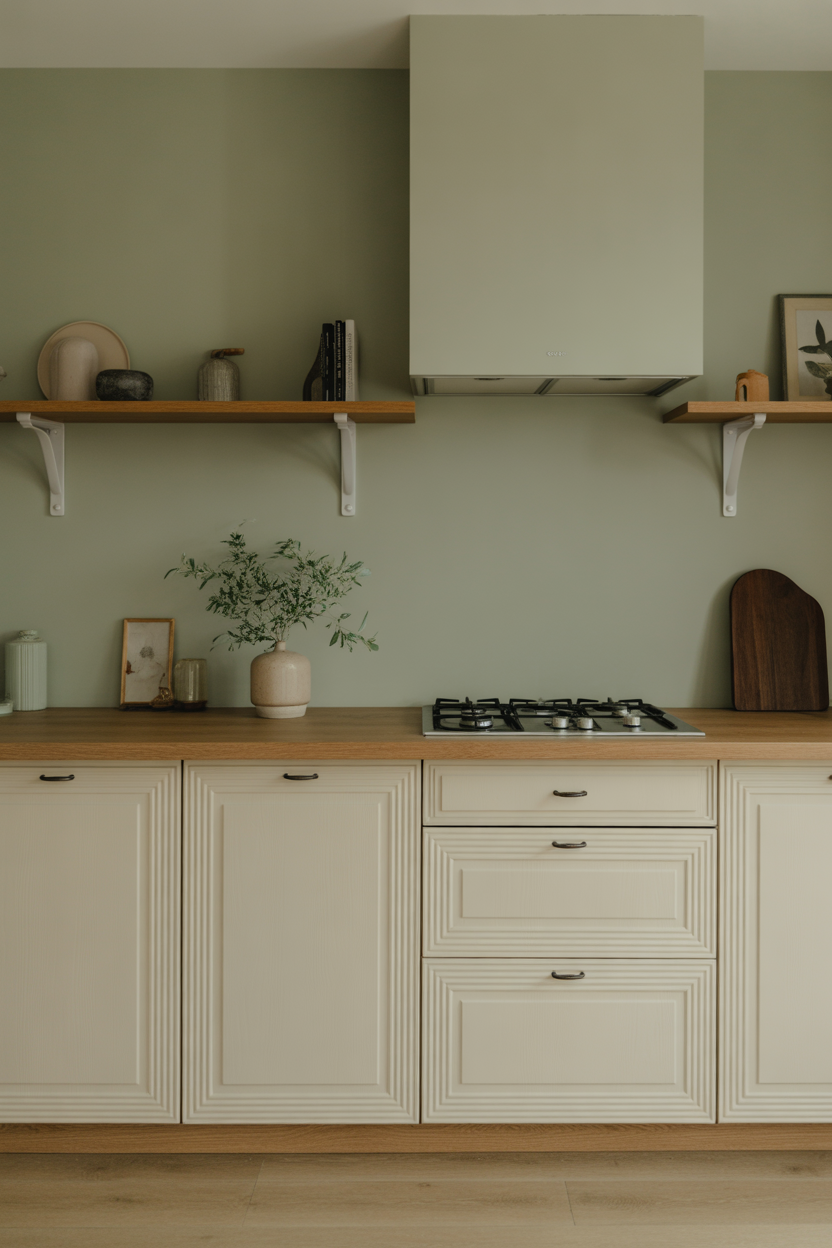
White Oak + Sage Green Walls (Soft Natural Pairing)
White oak and sage green feel like they belong in the same natural environment. Both tones are soft, muted, and earthy, which makes them incredibly easy to combine in a kitchen space.
The green adds a subtle color presence without becoming overpowering, while the oak brings warmth and texture. Together, they create a very calming atmosphere that feels easy to live in every day.
This combination works especially well in kitchens where you want a gentle color shift instead of a strong contrast. It feels peaceful, slightly organic, and very grounded.
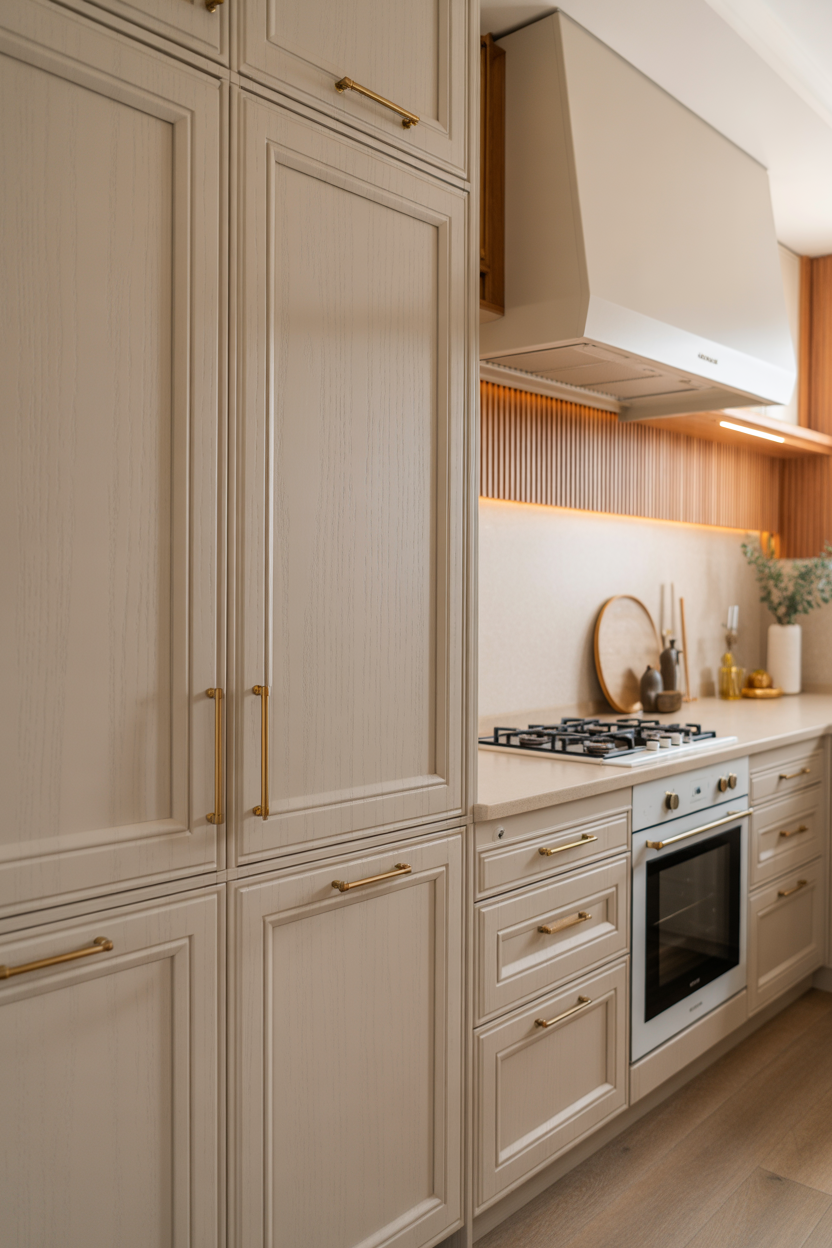
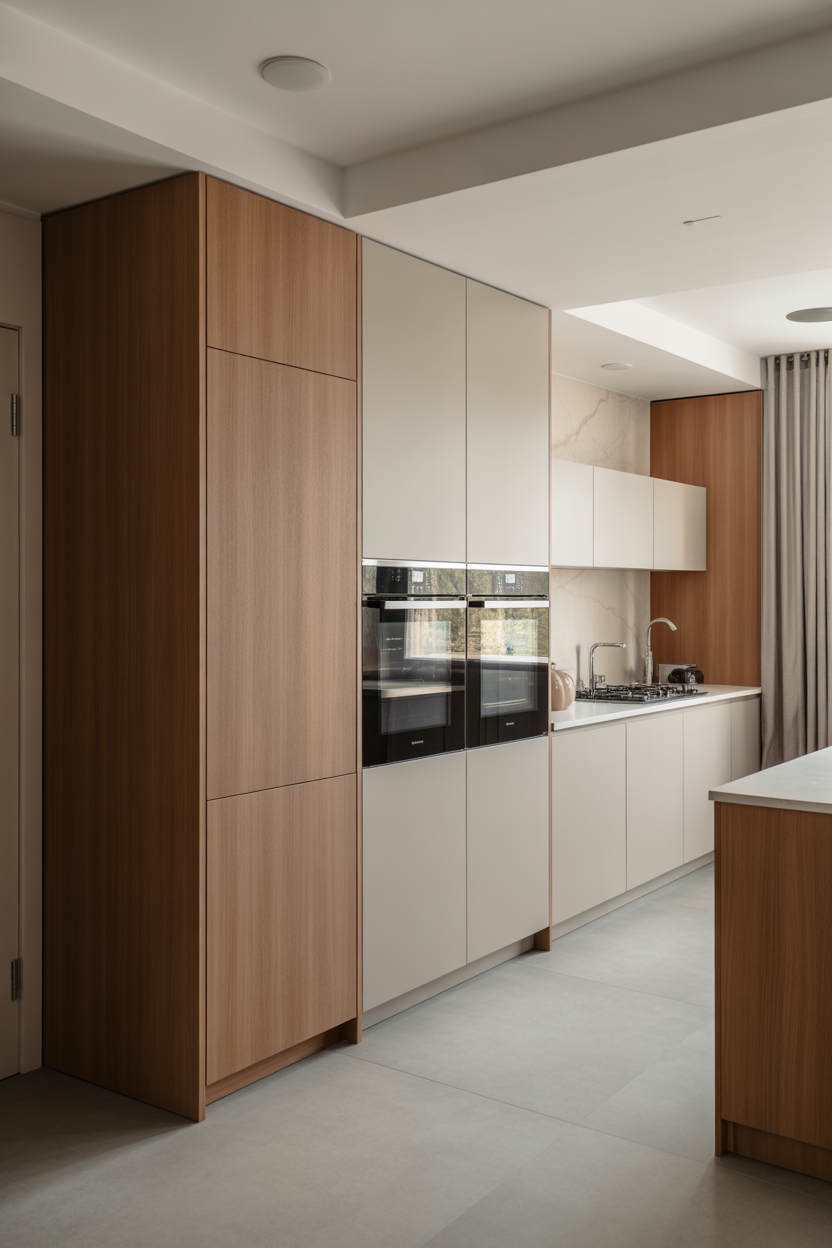
White Oak + Integrated Appliances
Integrated appliances change the entire feeling of a kitchen. Instead of seeing multiple machines and surfaces, everything blends into a continuous line of cabinetry. When covered in white oak panels, the result feels more like furniture than a traditional kitchen.
This style creates a very clean and high-end appearance. The eye doesn’t stop on appliances — it just flows across the space. That visual smoothness is what makes it feel so premium.
It does require more planning and investment, but the payoff is a kitchen that feels custom-built and highly refined without visual clutter.
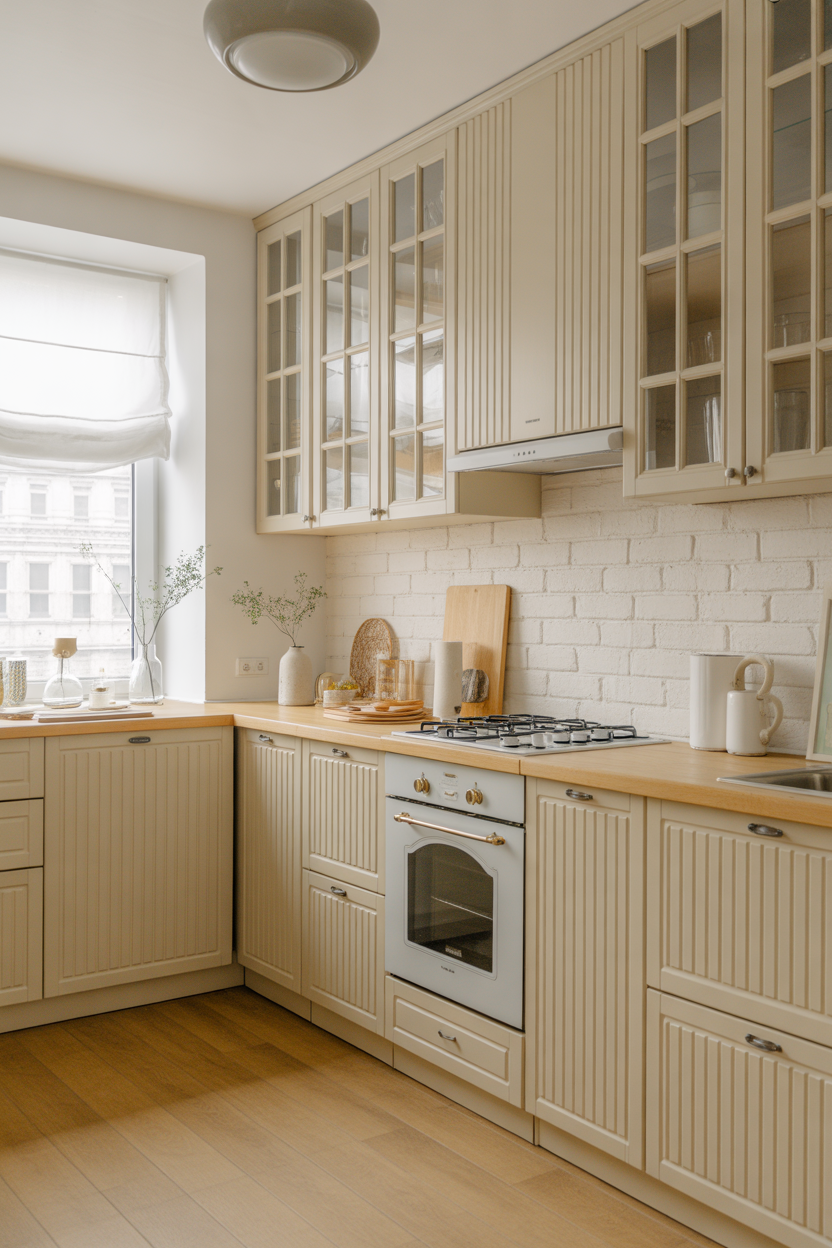
White Oak in Small Kitchens (Light and Airy Approach)
White oak can work beautifully in small kitchens, but it needs a lighter touch. The goal is to avoid making the space feel too heavy or enclosed with too much wood presence.
Using a light, natural finish helps keep things open. Adding glass-front cabinets or open sections also allows light to move through the space instead of stopping at solid surfaces.
Good lighting is essential here. Under-cabinet lighting and reflective countertops help balance the wood tone and keep the kitchen feeling bright and comfortable.
White Oak vs Maple Cabinets
White oak and maple are often compared, but they behave very differently in design. White oak has a visible grain and a warm golden tone that gives the kitchen more texture and depth. Maple, on the other hand, is smoother and more uniform.
Because of this, white oak usually works better when you want natural wood to stand out. It adds character even in simple designs.
Maple is more commonly used in painted kitchens because its smooth surface takes paint evenly. So the choice really depends on whether you want to see the wood or hide it under color.
Conclusion
White oak kitchens work because they never feel forced or overdesigned. Their beauty comes from simplicity — natural grain, soft warm tones, and an honest texture that doesn’t rely on heavy styling or trends.
Whether your style is modern, farmhouse, or minimal, white oak adapts effortlessly while still maintaining its own natural identity. That flexibility is what makes it a strong, long-term choice for kitchen design.
In the end, a great kitchen doesn’t need every idea or every trend. It just needs balance. Choose the elements that truly fit your space, keep the design simple, and let the natural beauty of white oak do most of the work for you.