
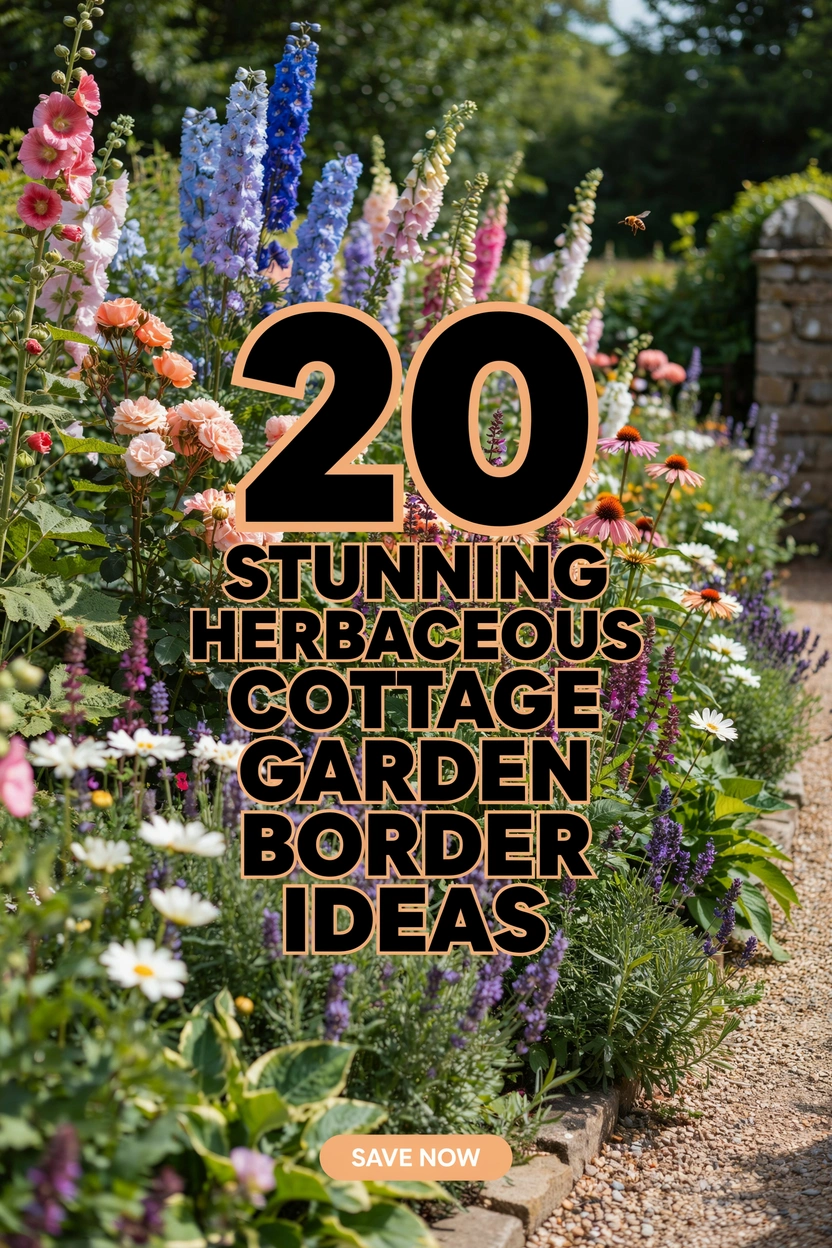
There’s something magical about a herbaceous cottage garden border in full bloom. Overflowing with colorful perennials, cottage garden flowers, and soft layers of texture, these borders create the relaxed, romantic charm that makes English cottage gardens so timeless. The best part? They may look effortlessly wild, but with the right plant combinations, anyone can achieve the look.
From classic herbaceous border planting ideas to space-saving layouts for small gardens, these 20 inspiring cottage garden border ideas will help you create a garden filled with color, movement, and season-long beauty. Whether you love foxgloves, delphiniums, peonies, or other cottage garden plants, you’ll find plenty of inspiration to transform your outdoor space into a blooming retreat.
The Traditional Layered Herbaceous Border — Back, Mid, and Front Done Properly
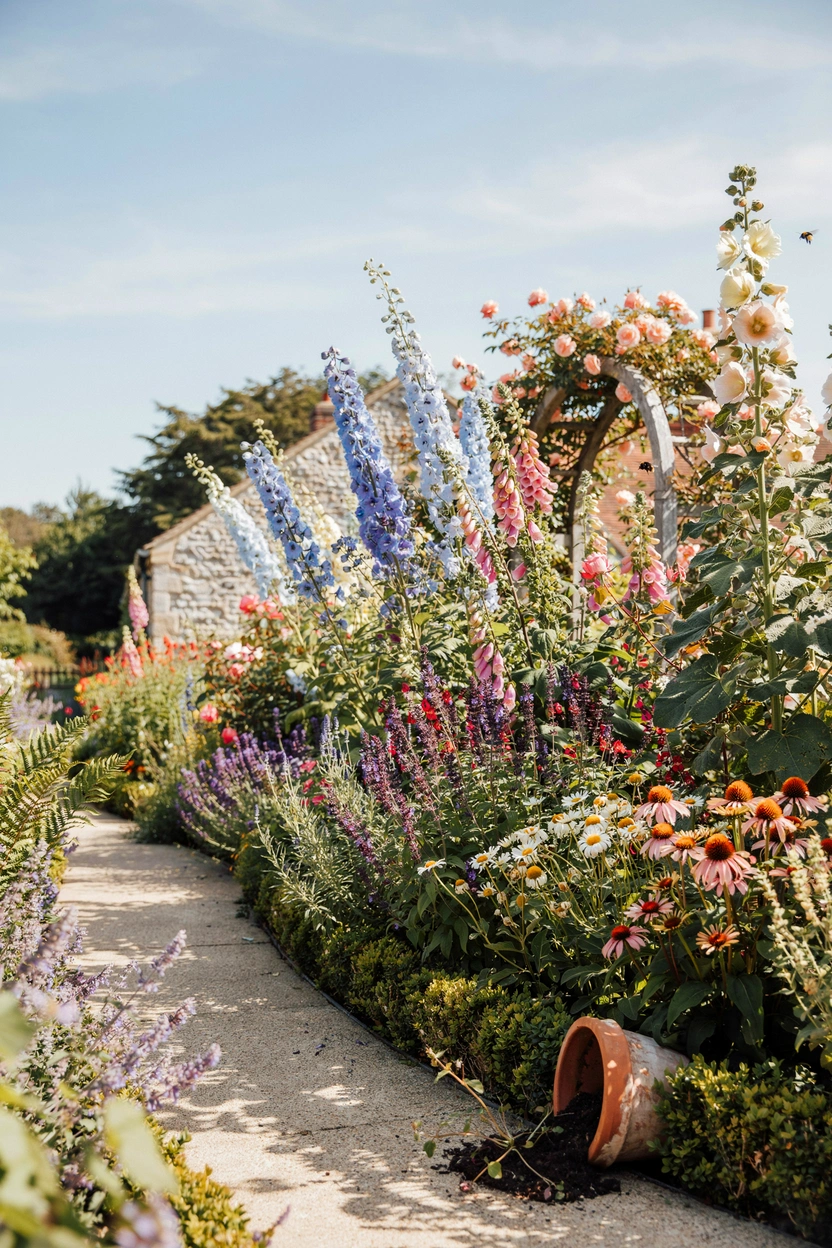
If you want that classic English herbaceous border feel, layering is everything. Tall plants at the back, mid-height in the middle, and low sprawlers at the front. It sounds simple, but getting it right takes a bit of thought. For the back layer, delphiniums, verbascum, and feathery fennel give you that dramatic height. Then phlox, astrantia, and hardy geraniums fill the mid-section with soft color. At the front, alchemilla mollis spills beautifully over the path edge alongside low nepeta and sedum.
What makes this layout so satisfying is the way the plants hand over to each other season by season. When the delphiniums finish, the phlox steps up. When the geraniums fade, the sedums fill in. You get this almost seamless flow of color that keeps the border looking alive from May through September.
Love gardens buzzing with life? These pollinator flowers work beautifully alongside wildflower-inspired garden design
The Iconic Rose-and-Lavender Herbaceous Border — A Cottage Classic
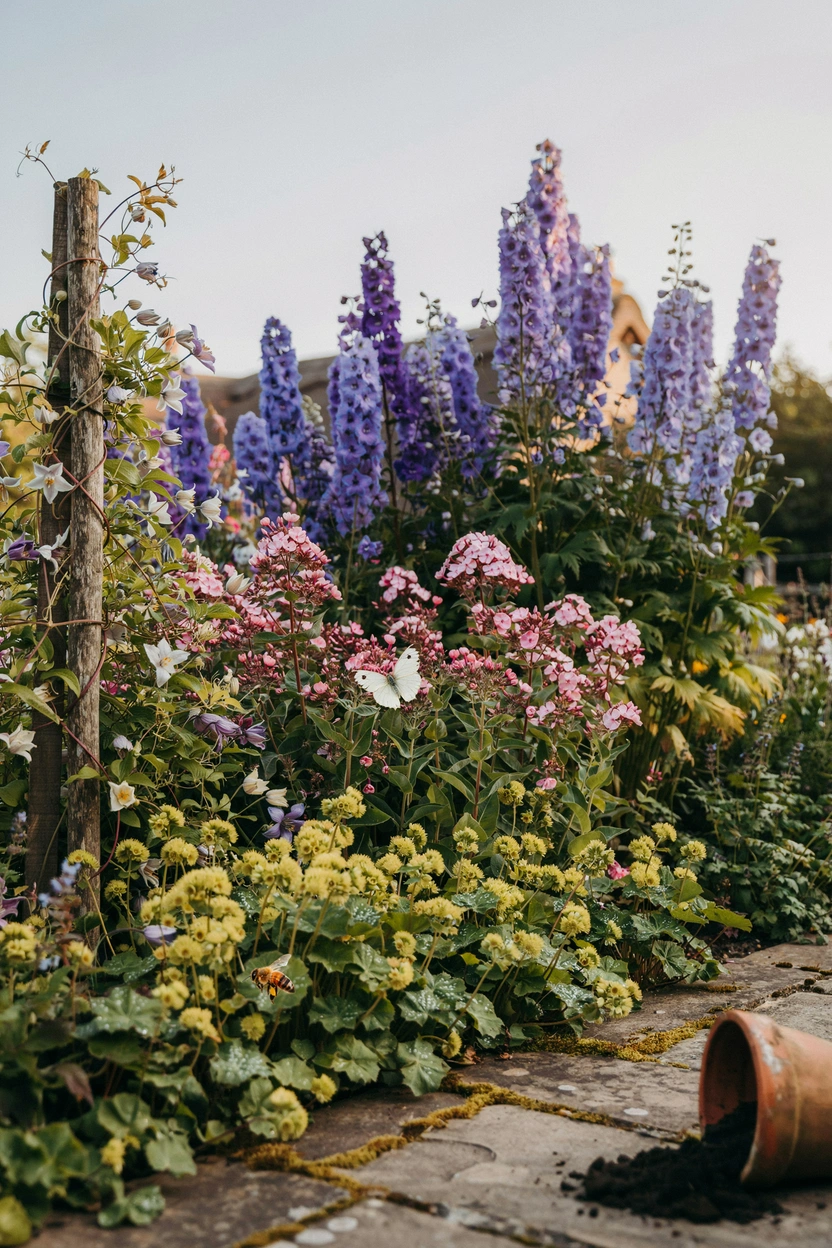
Is there a more iconic cottage garden pairing than roses and lavender? I don’t think so. There’s a reason you see this combination everywhere — it genuinely works. The soft purple of lavender at the border’s edge contrasts beautifully with the blowsy, romantic blooms of an old English rose. Add catmint spilling over the path and a climbing rose on the fence behind, and you’ve got a border that looks like it belongs on a garden magazine cover.
The scent factor is huge here, too. On a warm evening, standing near this kind of herbaceous border is one of the real pleasures of gardening. It doesn’t just look beautiful — it smells like summer. Deadhead the roses regularly and cut lavender back after its first flush to keep both plants looking their best well into August.
A Naturalistic Wildflower-Style Herbaceous Border
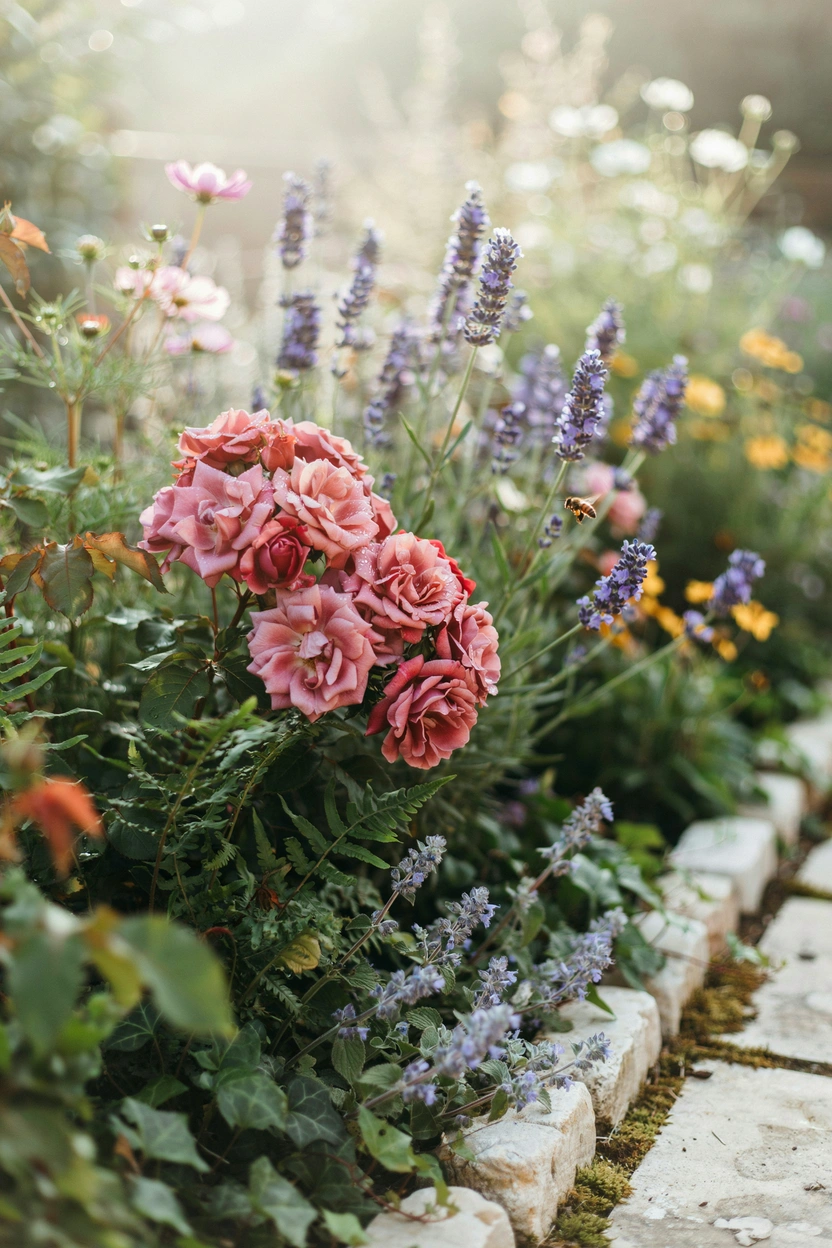
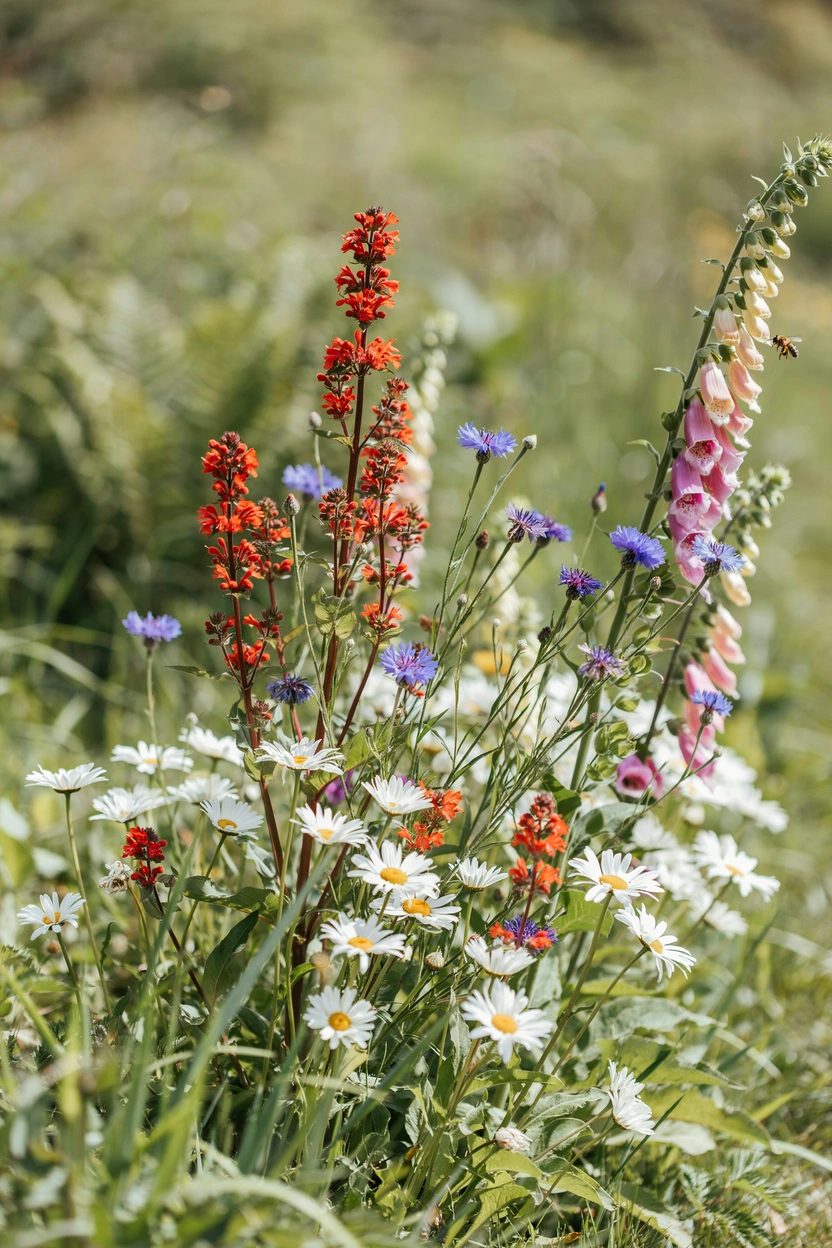
This is the border for people who secretly want their garden to look a little undone. The naturalistic approach leans into self-seeding plants — ox-eye daisies, red valerian, cornflowers, wild aquilegia, and foxgloves — that pop up wherever they feel like it and create that gorgeous, just-happened-natural look. It’s not actually wild. You’re curating chaos, which is a very different thing.
The real joy of this style is how low-maintenance it becomes over time. Self-seeders fill gaps on their own. You stop worrying about perfect spacing. And the wildlife absolutely loves it — bees, butterflies, hoverflies, all drawn in by the variety of open flowers. It’s probably the most relaxed of all herbaceous border styles, and there’s real beauty in that looseness.
A Four-Season Herbaceous Cottage Border With Year-Round Interest
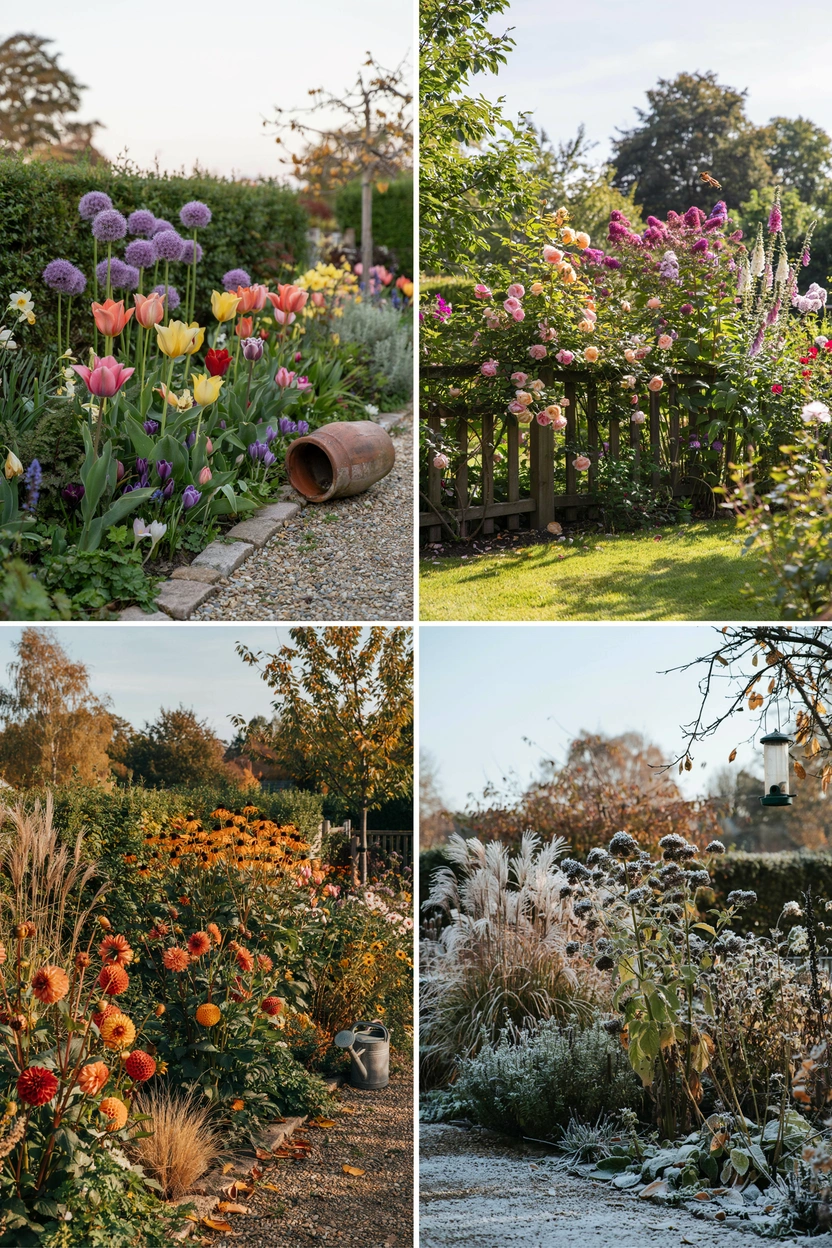
Most herbaceous borders look incredible in June and July, then… kind of forgotten by October. The solution is designing for succession from the start. Spring bulbs — tulips, alliums, muscari — push up first, weaving between the bare crowns of emerging perennials. Early geraniums and aquilegia carry you into May. The big summer show — roses, phlox, echinacea — kicks off in June. Then dahlias, helenium, and rudbeckia hold everything together through August and September.
The key is choosing bridge plants that work between the seasons. Grasses, for example, look beautiful all year and catch the light even in winter. Seedheads left on echinacea and rudbeckia add structure when everything else has died back. Plan it right, and your herbaceous border genuinely earns its space in every month of the year.
Soft Pastel Herbaceous Border for a Romantic, Watercolor Mood
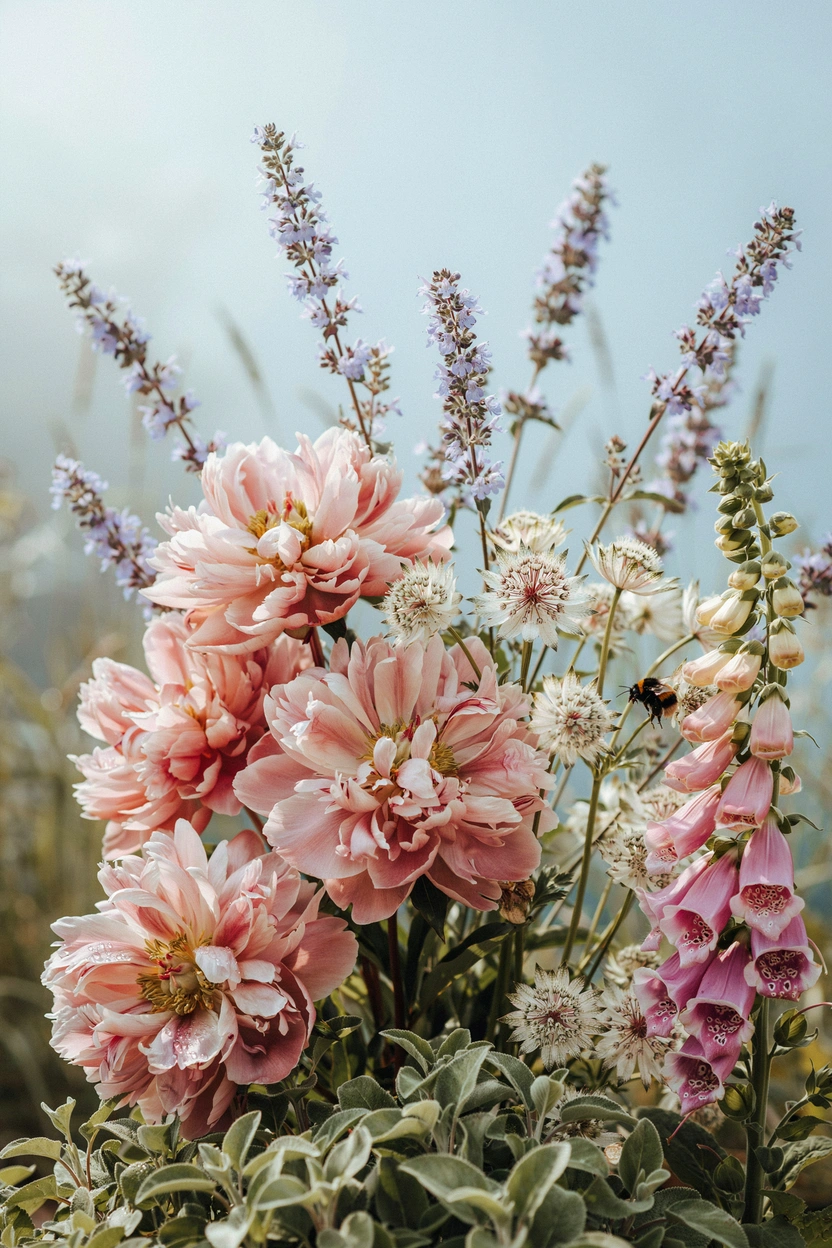
If you’ve ever scrolled through Pinterest and saved a garden photo that looked almost too pretty to be real — it was probably a pastel herbaceous border. The palette here is all blush pinks, soft lilacs, creamy whites, and sage greens. Peonies, sweet peas, astrantia, pale pink foxgloves, and frothy nepeta all play beautifully together in this soft, romantic register.
Silver and grey foliage — Stachys byzantina, Artemisia — is the secret ingredient that makes pastels really sing. It lightens the whole border and stops the pinks from looking washed out. This style photographs incredibly well, especially in that golden morning or late afternoon light. It’s the ultimate Pinterest-worthy herbaceous border.
Bold Jewel-Toned Herbaceous Border for a Dramatic Statement
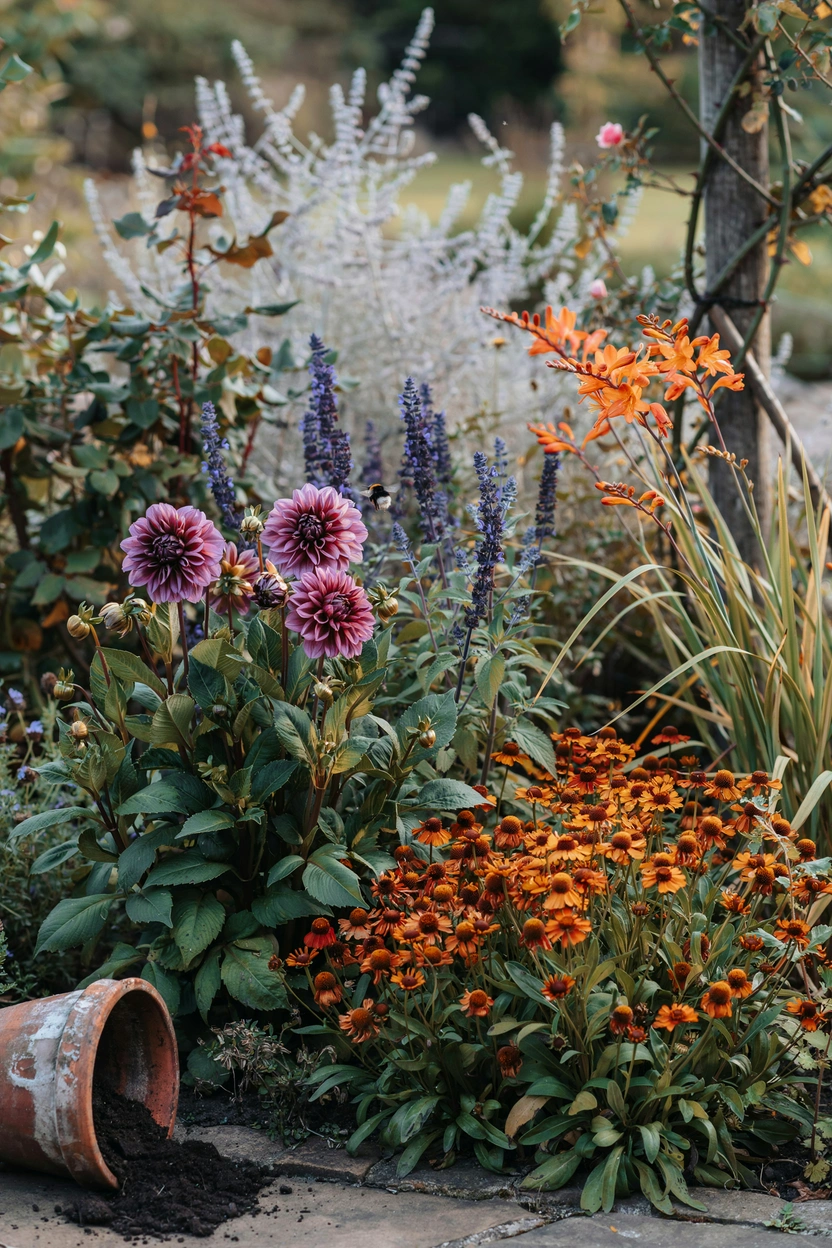
Not every cottage garden has to be soft and dreamy. There’s a whole other side to herbaceous border design that’s rich, theatrical, and frankly stunning. Deep plum dahlias, bronze-gold helenium, inky Salvia nemorosa, hot orange crocosmia, and buttery rudbeckia — this is a border that demands attention.
Jewel tones look especially extraordinary in late afternoon light. That warm, low sun catches the bronzes and golds and makes the whole border glow from the inside. It suits a south-facing border particularly well. And if you love the idea of a cottage garden but want something with more drama than the usual pastels, this is your answer.
A Narrow Herbaceous Cottage Border for Small Spaces
Limited space doesn’t mean limited beauty. A 60–90cm wide herbaceous border can still look absolutely full and lush if you choose your plants smartly. The trick is going vertical at the back — a climber on the fence behind gives you that height without eating into the border width. Then compact hardy geraniums, low astrantia, and spreading sedum do the work up front.
Every plant in a narrow border has to earn its place. Go for things that flower for a long time, have interesting foliage, or self-seed reliably. Astrantia is brilliant here — elegant flowers, attractive leaves, and it comes back year after year without any fuss. A small herbaceous border done well genuinely punches above its weight.
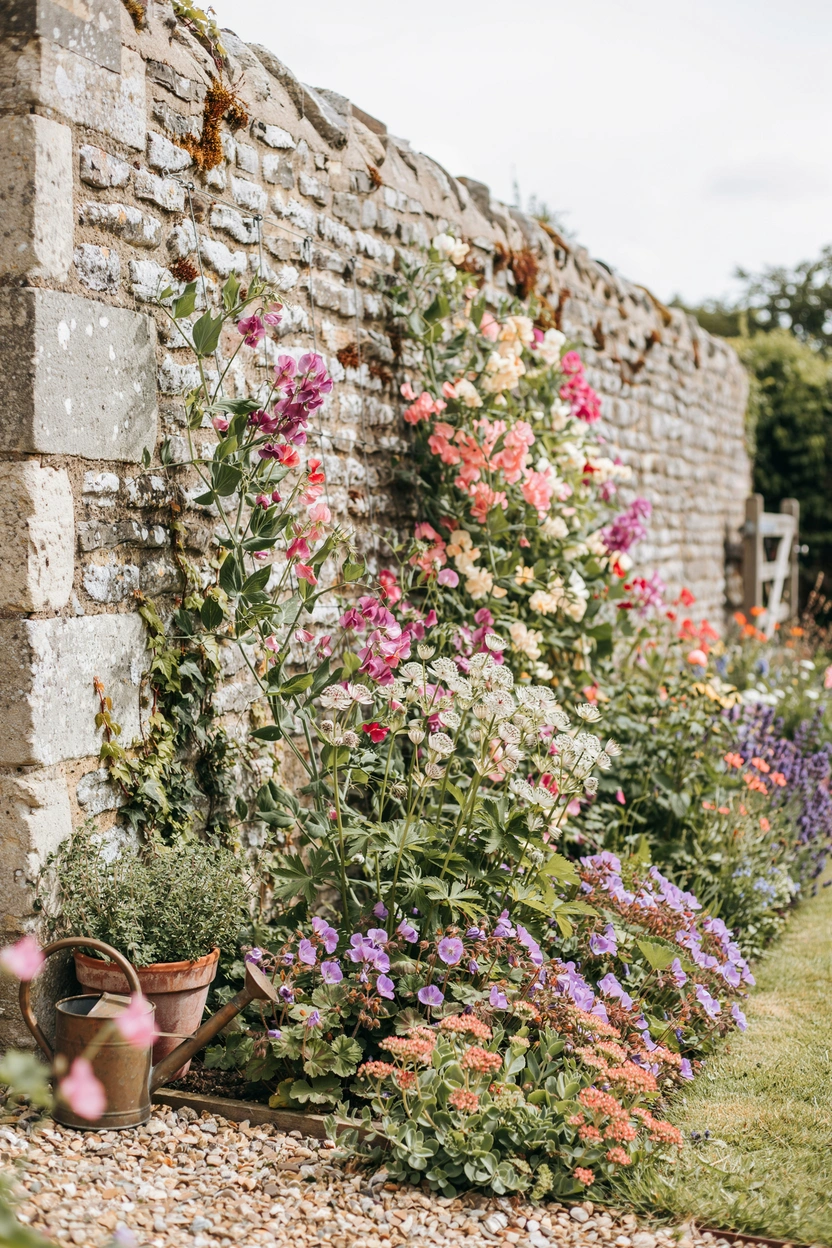
A Fragrant Herbaceous Border That Engages All the Senses
Scent is the most underrated thing in garden design. You can have the most visually beautiful herbaceous border in the world, but if it smells incredible too? That’s something else entirely. Phlox is one of the most intensely perfumed border plants there is — that sweet, slightly spicy evening fragrance stops you in your tracks. Add dianthus at the front, monarda in the mid-border, and lavender at the edges.
Position a scented herbaceous border near a path, a seating area, or a door if you can. Fragrance travels differently depending on the plant — some release scent in the evening, others in the morning heat. Layering different types means you get waves of fragrance throughout the day. It turns the garden into a genuine sensory experience, not just a visual one.
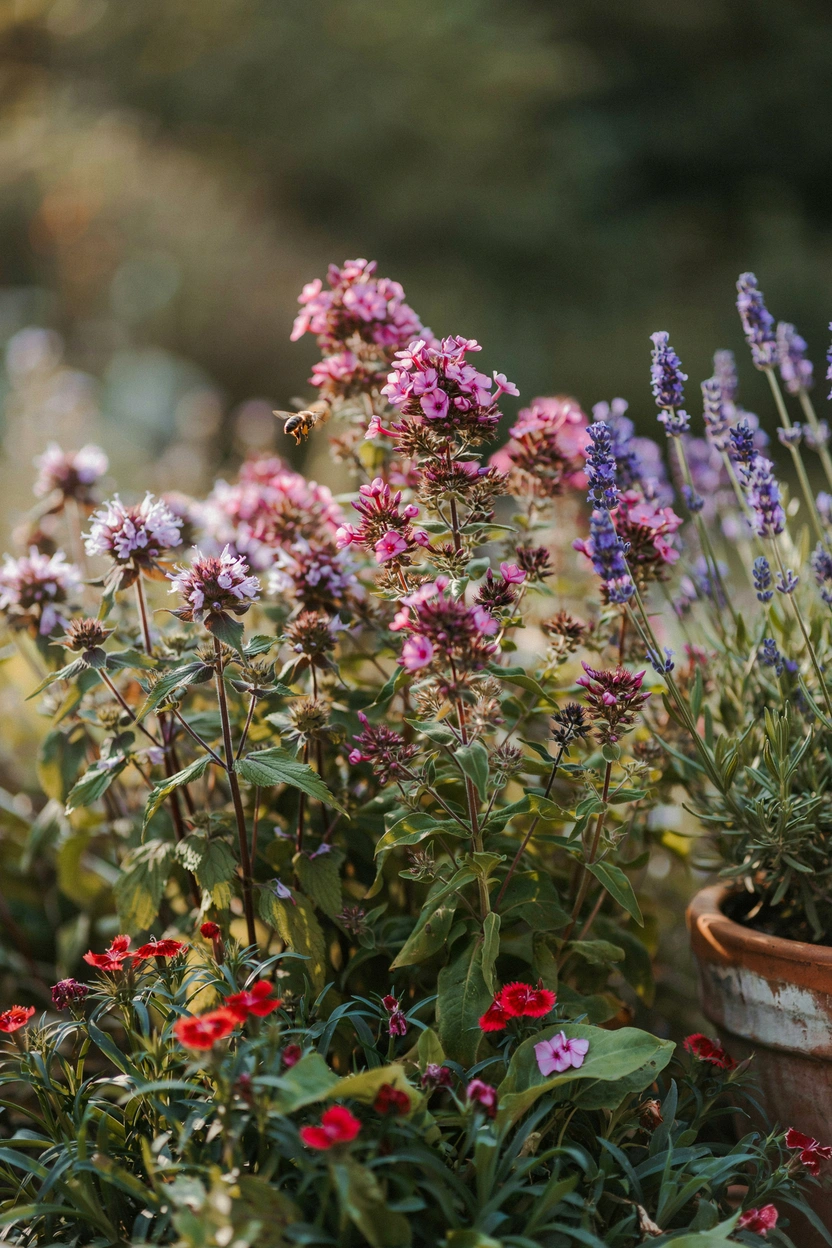
A Shaded Herbaceous Cottage Border Rich in Texture
Don’t write off that shady corner. A well-planted shaded herbaceous border has a completely different mood to a sunny one — quieter, cooler, more atmospheric. Astilbes bring feathery plumes of color in pink, white, and deep red. Hostas are all about foliage drama. Aquilegia — the classic cottage garden columbine — actually thrives in partial shade and self-seeds freely.
Where you can’t rely on flowers to do all the work, lean into leaf texture and contrast. Put a large-leafed hosta next to the fine-cut foliage of a fern. Add white-flowered astrantia to catch the light. A shaded herbaceous border done well feels like stepping into a cool, green room — and in a hot summer, that’s exactly where you want to be.
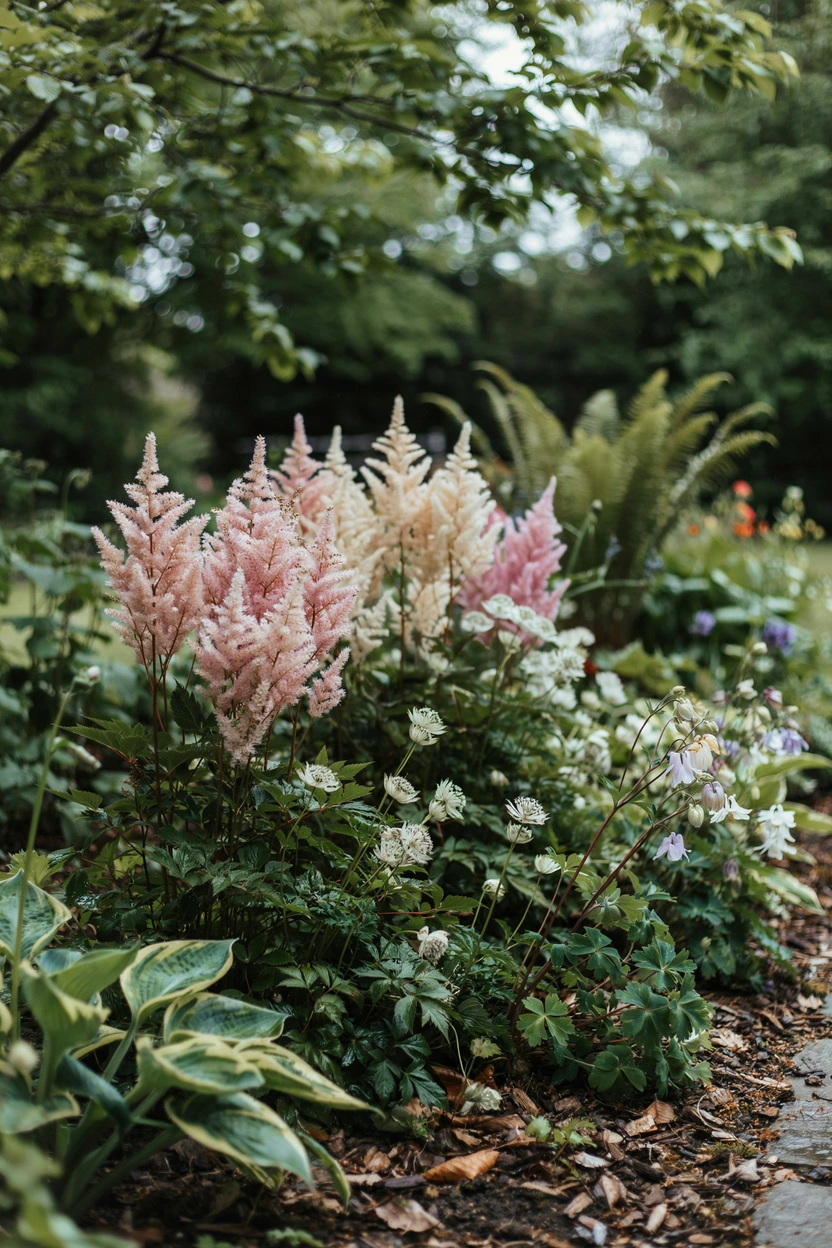
Herbaceous Cottage Border Ideas for the Front Garden
A herbaceous border at the front of your house makes such a warm, generous statement. It says: this is a home that cares about beauty. The key is balancing the wildness of cottage planting with enough structure to keep it looking intentional rather than neglected. Low catmint or lavender along the path edge gives you that contained, neat front line. Then let the planting behind it be looser and more informal.
Keep height in check — you don’t want a front border that blocks your windows or feels oppressive. Mid-height plants like hardy geraniums, echinacea, and salvia are perfect. A single taller statement plant — a standard rose or a clump of tall alliums — gives the border a focal point without overwhelming the front of the house.
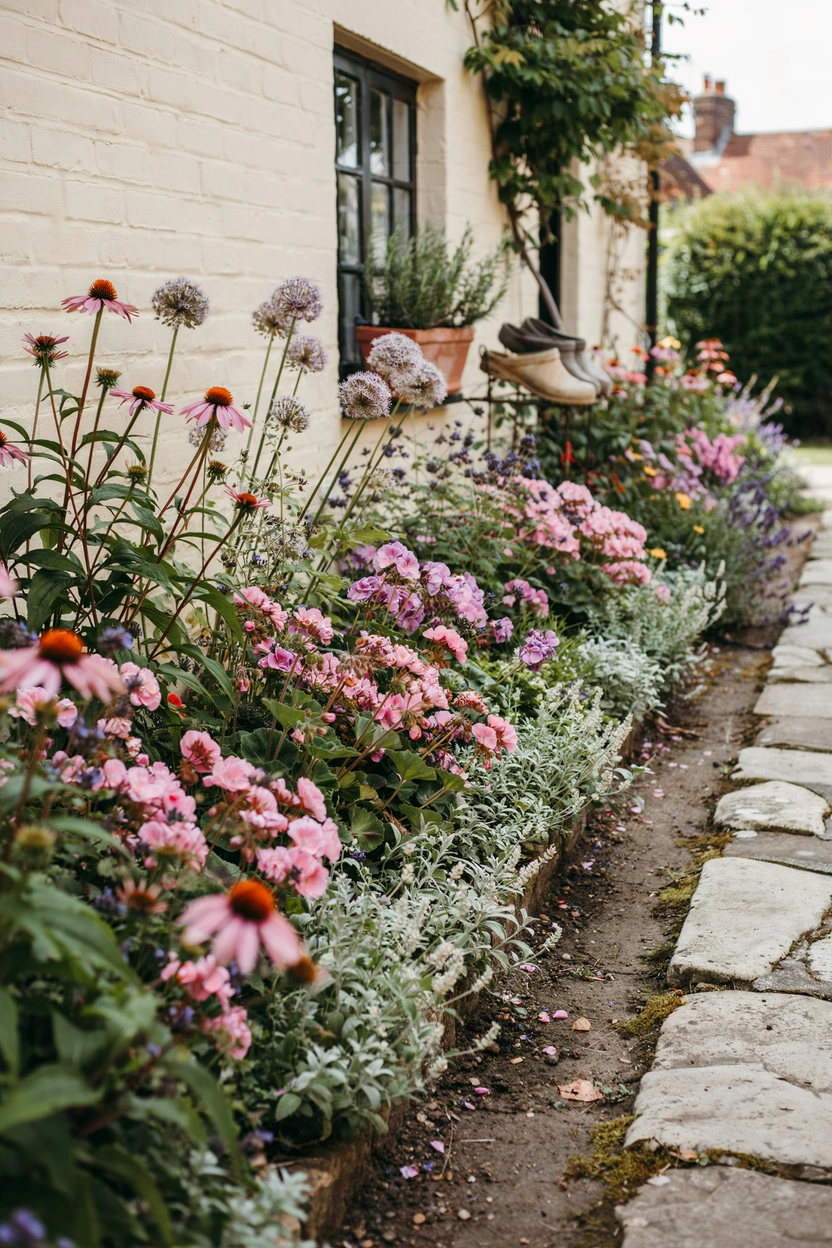
Mixed Herbaceous Border With Ornamental Grasses for Movement
Ornamental grasses in a herbaceous cottage border are a bit of a game-changer. They bring something no flowering perennial can — movement. Watch Stipa tenuissima (feather grass) ripple in the breeze and you’ll understand immediately why it’s worth including. They also catch the light differently, going almost golden in late afternoon sun.
More practically, grasses provide structure in the border when everything else has died back. Pennisetum and Molinia look spectacular even in November with frost on their seedheads. They’re the plants that make a herbaceous border look intentional and designed, not just a summer-only affair. Even one or two well-placed grass clumps transform the whole feel.
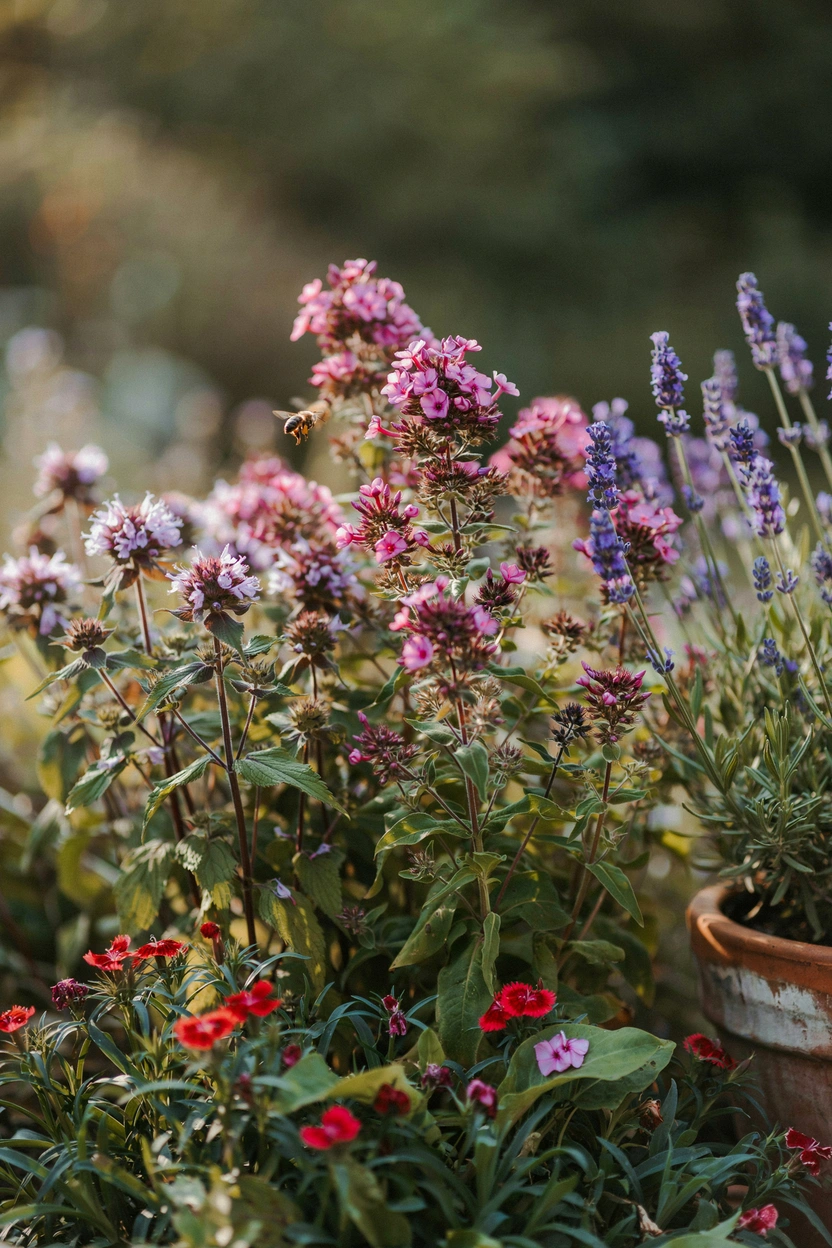
A Budget-Friendly Herbaceous Cottage Border With Maximum Impact
Here’s the thing about herbaceous borders — you absolutely don’t need to spend a fortune. Lupins, foxgloves, aquilegia, and cosmos are all incredibly cheap to grow from seed, and they look like a million dollars in full bloom. A single seed packet can fill a whole section of the border. Start them off in spring, and by the following year, you’ll have a genuinely beautiful herbaceous planting.
Perennials are the gift that keeps giving, too. Once they’re established, you divide them every few years — one clump becomes three or four. Cottage gardeners have always had a culture of sharing plants, and that tradition is very much alive. Check out local gardening groups, plant swaps, or end-of-season sales where nurseries sell off perennials cheaply. A beautiful herbaceous border doesn’t require a big budget. It just requires a bit of patience.
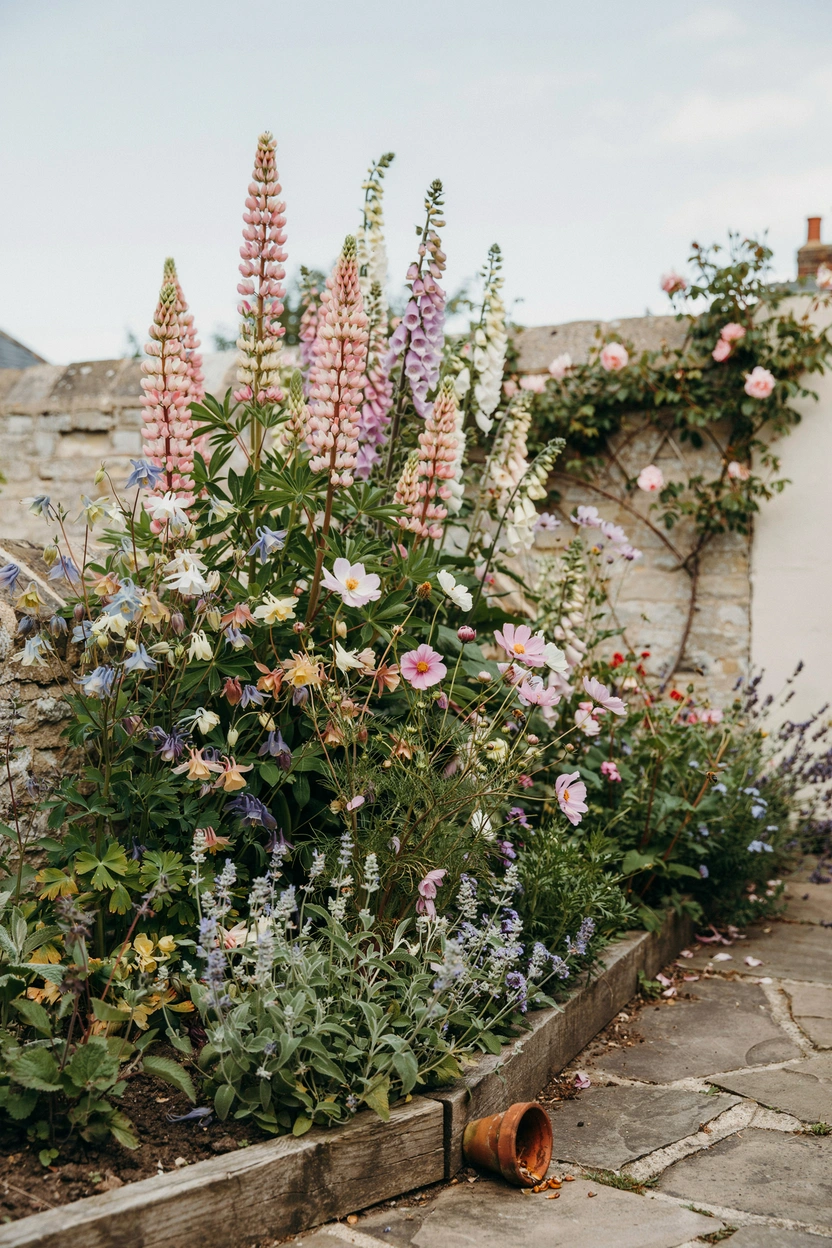
A Jekyll-Inspired Herbaceous Border Using Color Drift Planting
Gertrude Jekyll, the legendary Victorian garden designer, had a genius approach to color in herbaceous borders. Instead of mixing colors randomly, she planted them in long diagonal drifts — cool purples and blues at one end, drifting through warm pinks and mauves, building to hot oranges and golds at the center, then cooling back down. The result feels orchestrated rather than chaotic.
You can apply this in a modern herbaceous border very simply. Start one end with Salvia nemorosa and nepeta (cool blues), drift into hardy geraniums and astrantia (warm pinks), then build to rudbeckia and helenium (hot golds) before easing back to lavender and agastache at the far end. It gives the whole border a visual rhythm that’s deeply satisfying.
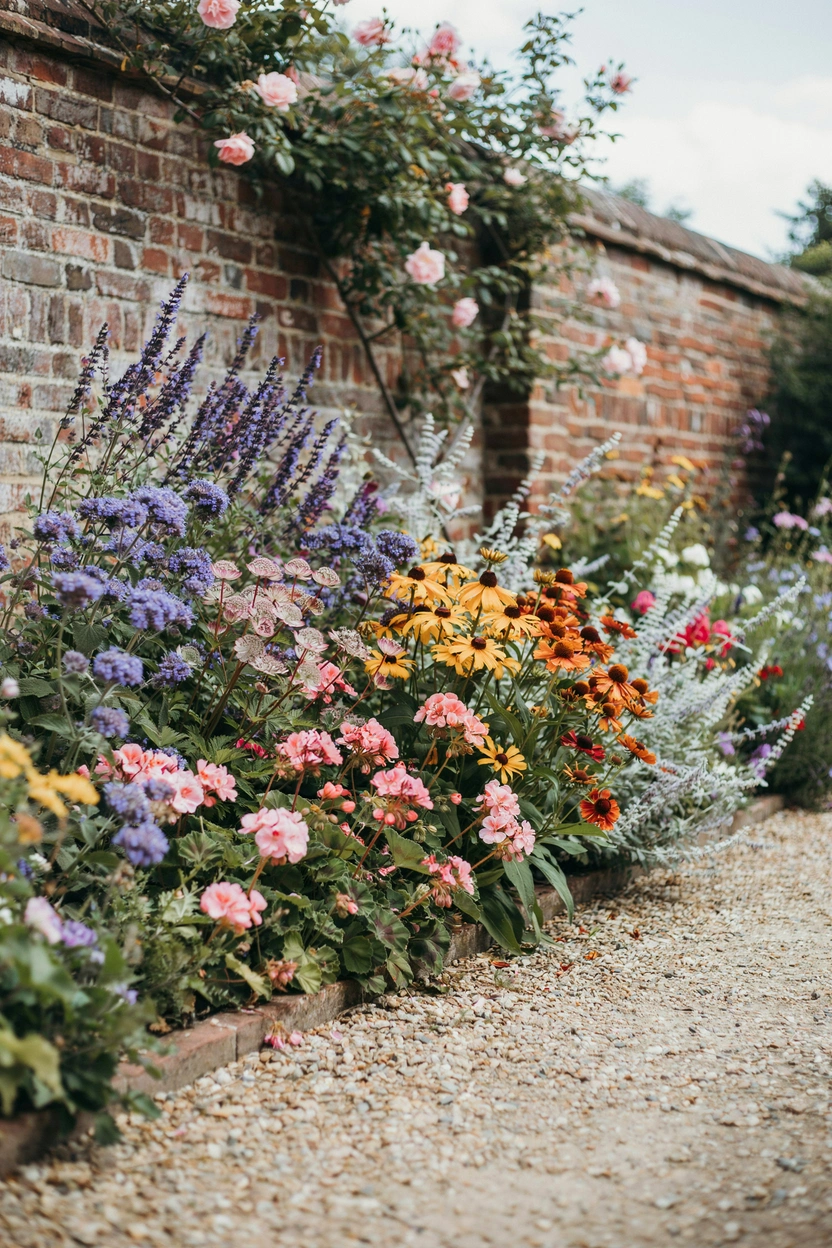
Spring-Forward Herbaceous Cottage Border
Most people think of herbaceous borders as a summer thing. But a spring-focused herbaceous border is genuinely one of the most exciting things you can plant. Tulips, alliums, and forget-me-nots come up first, weaving between the emerging crowns of perennials. Then wallflowers and pulmonaria bridge the gap into late spring. By May, the whole border is alive with fresh color before the main summer cast has even arrived.
The clever trick here is using the emerging foliage of summer perennials to naturally hide the dying-back leaves of spring bulbs. As tulip foliage goes yellow and floppy, hardy geraniums and hostas are pushing up and covering the gaps. It’s perfectly timed and almost looks planned — because it is.
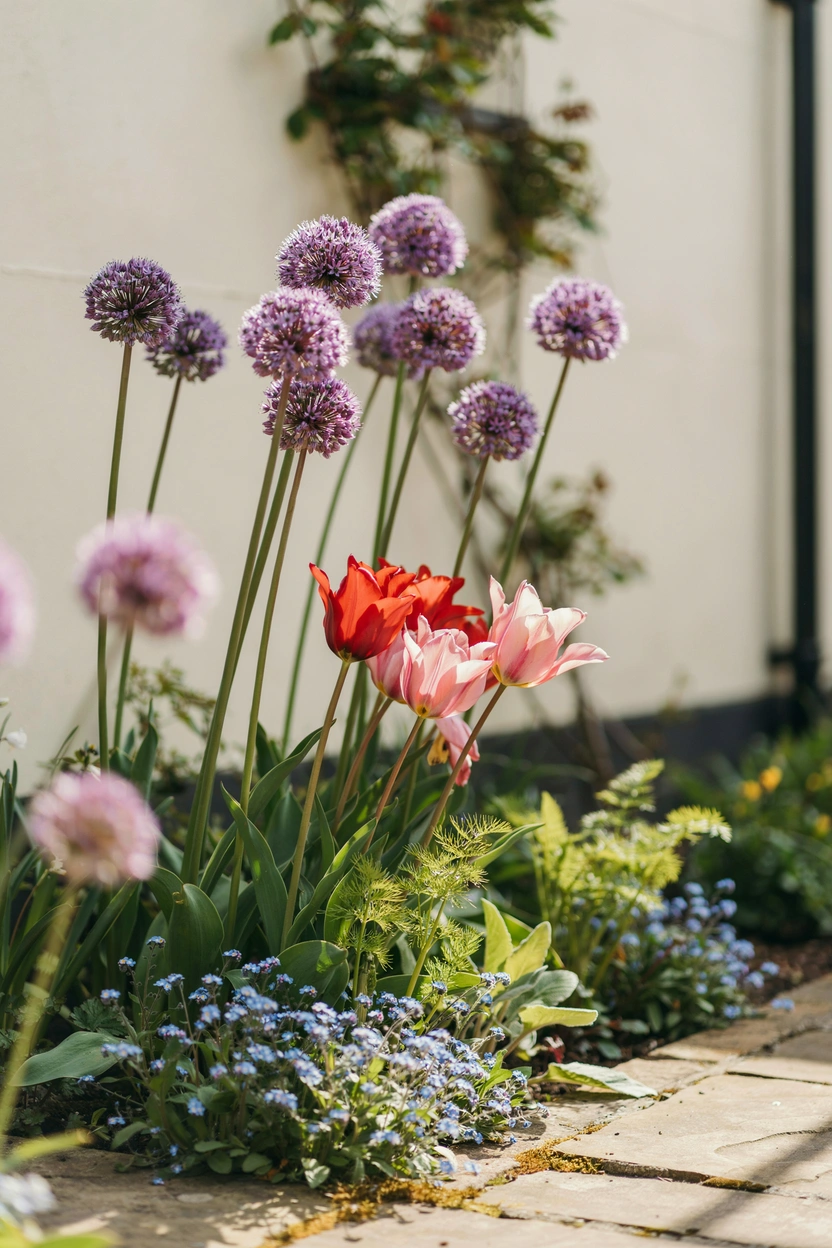
The Peak Summer Herbaceous Border — Non-Stop Color From June to August
Getting a herbaceous border to bloom all summer long is about sequencing. It’s not about finding one magical plant that flowers for three months straight — it’s about layering plants whose peak moments follow each other smoothly. June belongs to roses, hardy geraniums, and astrantia. July is for echinacea, scabiosa, and phlox. August hands over to Rudbeckia, Helenium, and Agastache.
Deadheading is your best friend through the summer months. Remove spent flowers from geraniums, phlox, and echinacea, and they’ll give you a second flush. Feed borders with a balanced fertilizer in early summer to keep plants strong. A well-fed, well-maintained herbaceous border in peak summer really is one of the most beautiful things in the garden world.
Herbaceous Cottage Border With Climbing Plants for Vertical Drama
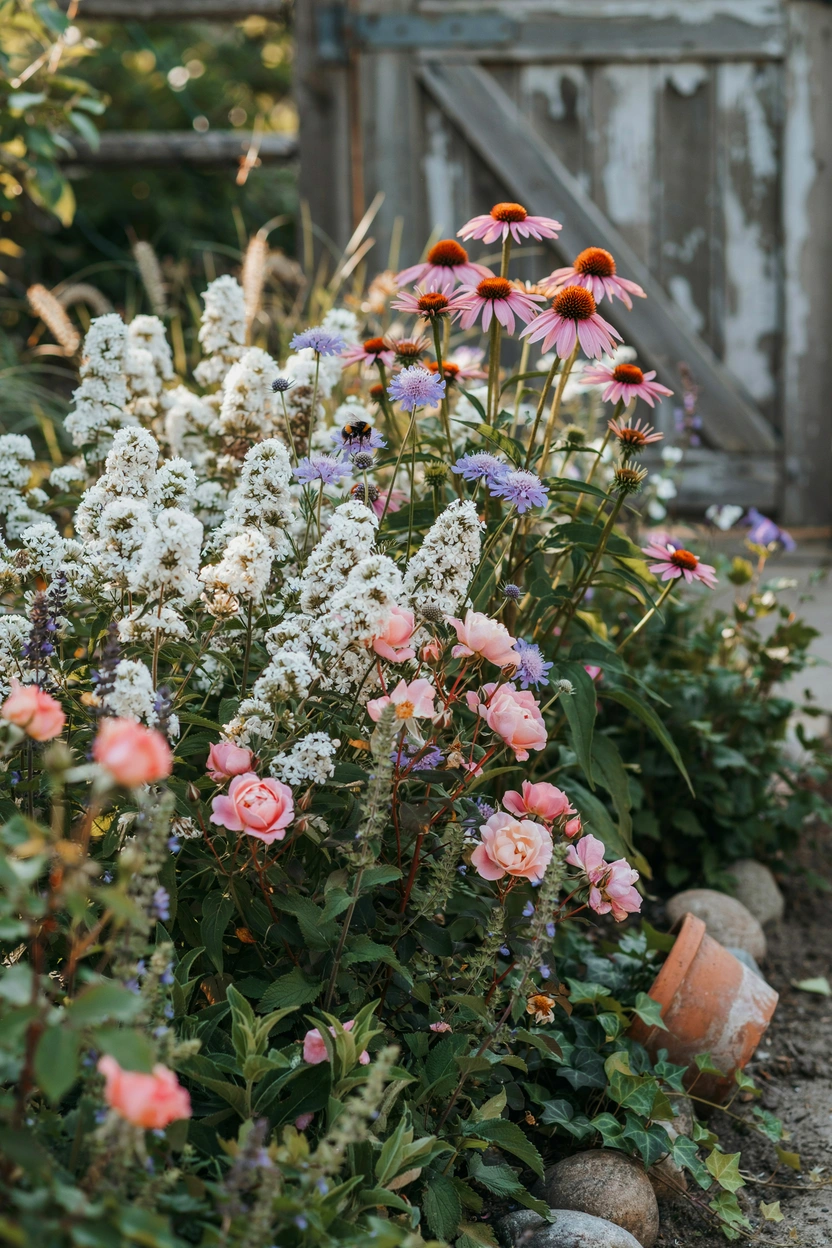
One of the most transformative things you can do to a herbaceous border is use the fence or wall behind it as a vertical canvas. A rambling rose arching over the back of the border, a clematis threading through it, sweet peas climbing up a rustic obelisk — suddenly your herbaceous planting has three dimensions instead of two.
The key is choosing climbers that complement rather than compete with the planting below. A soft pink rambling rose works beautifully behind blue and purple herbaceous plants. A white clematis looks stunning behind a warm-toned dahlia and helenium border. Don’t let climbers get too heavy or they’ll swamp the border — tie them in regularly and keep them in conversation with what’s growing beneath.
Drought-Tolerant Herbaceous Cottage Border for Hot, Sunny Spots
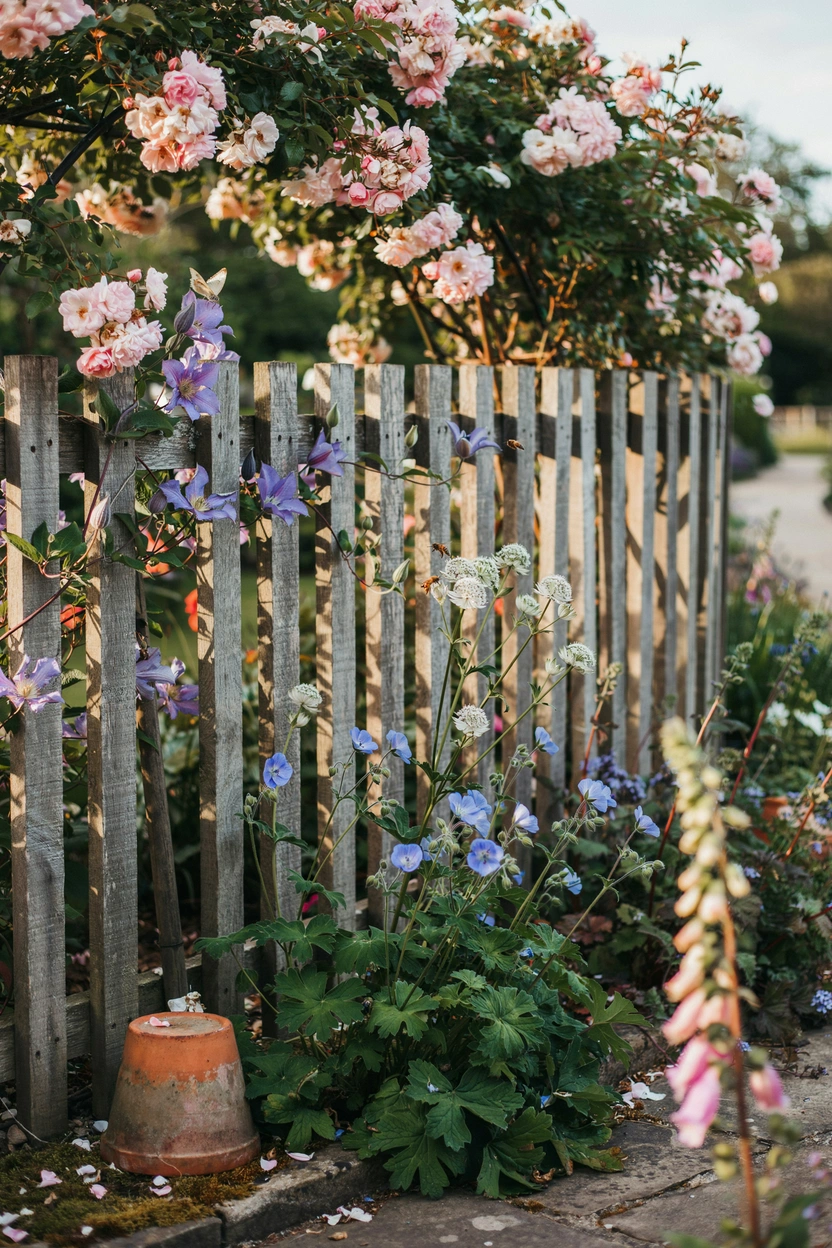
With summers getting hotter and drier, drought-tolerant herbaceous planting is more relevant than ever. The good news is that Mediterranean-influenced cottage planting is genuinely beautiful — salvias, verbascum, eryngium (sea holly), stachys, and lavender all thrive in poor, dry soil and look absolutely stunning together. It’s got a warm, sun-baked, almost Provençal feel that’s very different from the classic English herbaceous border but equally gorgeous.
A gravel mulch over the soil surface helps retain moisture, suppresses weeds, and adds to that dry-garden aesthetic. Once established, this kind of herbaceous border is remarkably self-sufficient. It’s the right choice for south-facing borders, gravel gardens, or any spot that bakes in summer and stays dry between rainfalls.
A Wildlife and Pollinator-Friendly Herbaceous Cottage Border
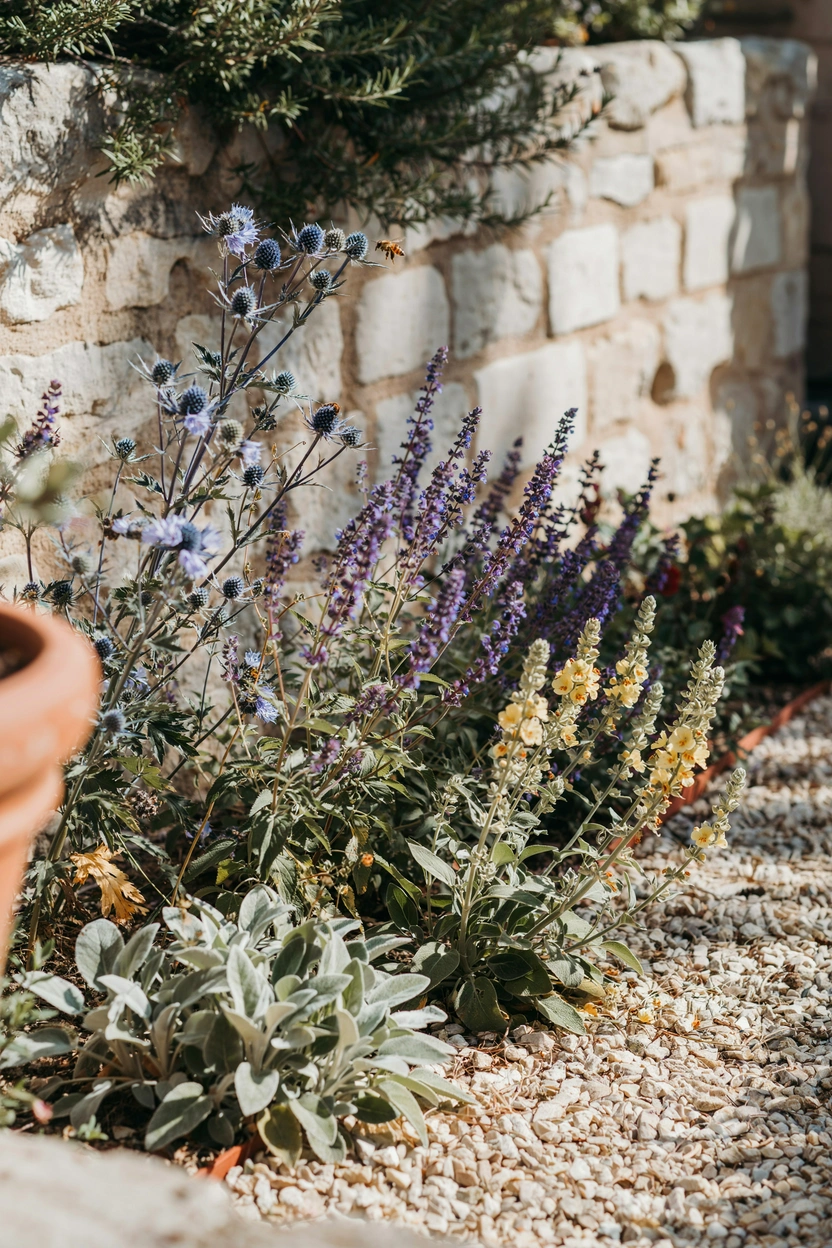
A herbaceous border that buzzes and flutters is a border that’s truly alive. Designing for pollinators doesn’t mean sacrificing beauty — in fact, the plants bees and butterflies love most are some of the most beautiful in the cottage garden canon. Echinacea, agastache, monarda, single-flowered dahlias, scabiosa — all are stunning in the border and irresistible to insects.
The key rule: single flowers over doubles. Double-flowered blooms often have their nectar hidden behind extra petals that insects can’t access. Stick to open, accessible flowers and your herbaceous border will hum with activity from June through October. There’s something deeply satisfying about watching a buff-tailed bumblebee work its way through a patch of monarda on a summer afternoon.
The All-White Herbaceous Cottage Border — Timeless and Magical at Dusk
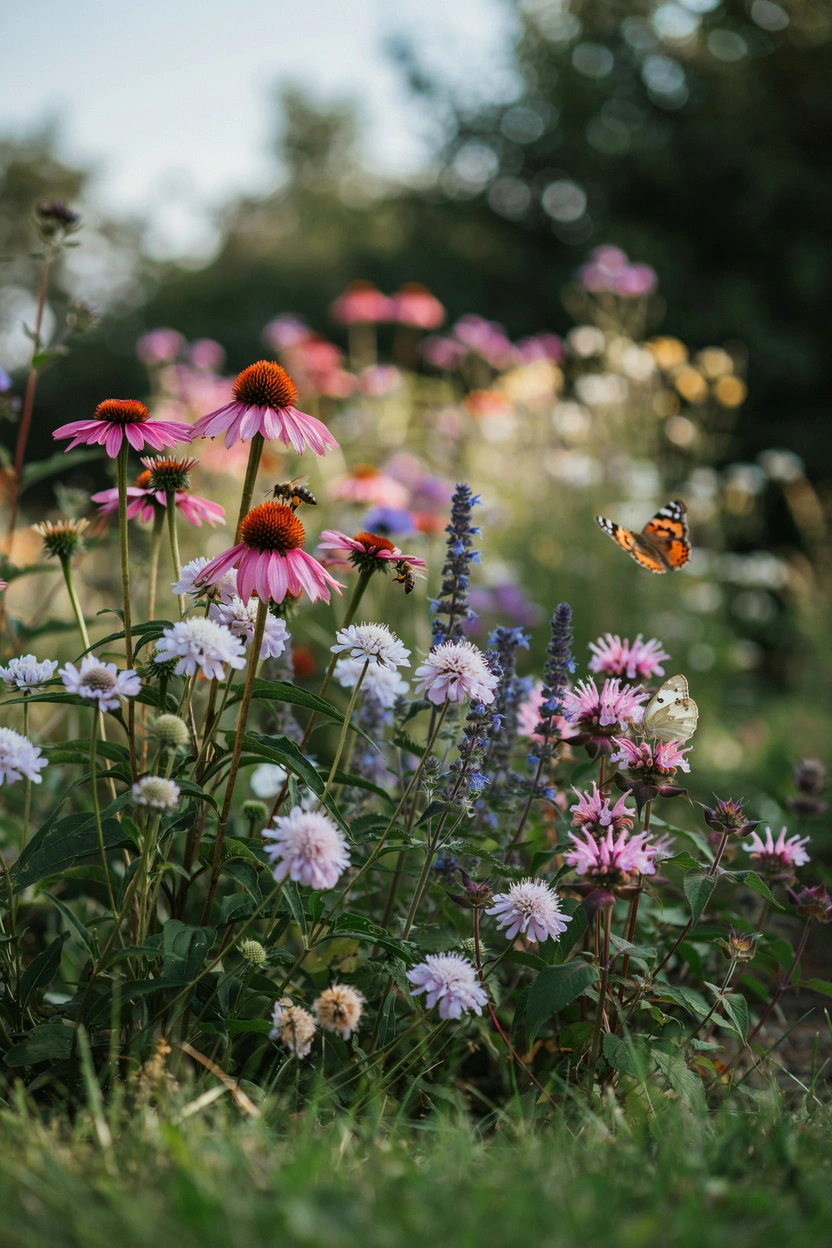
There’s a reason the all-white garden at Sissinghurst became one of the most famous gardens in the world. White herbaceous borders have this quality of timelessness — they’re sophisticated and romantic at the same time, and they do something extraordinary at dusk: they glow. As the light fades, white foxgloves, white phlox, and white astilbe are almost luminous against the darkening green.
Silver foliage companions — Stachys byzantina, Artemisia, Anaphalis — are essential here. They add variation in texture, stop it all looking flat, and shimmer beautifully in low light. If you have a garden you enjoy in the evenings, an all-white herbaceous border is one of the most atmospheric things you can plant.
How to Plan a Herbaceous Cottage Garden Border From Scratch
If you’re starting from zero, here’s the truth: it doesn’t need to be complicated. Start by assessing the basics — how wide is the border, how sunny is it, and what’s the soil like? These three things determine most of your plant choices. Then pick a color palette you genuinely love. Don’t just choose plants because they’re popular — choose them because when you imagine them in your garden, you feel excited.
Work-in-height zones: tall plants at the back, medium in the middle, low at the front. Plant in odd numbers — threes and fives rather than single specimens. Mulch well after planting to hold moisture and suppress weeds. Water in the first season, then step back and let your herbaceous border find its feet. In year two, it’ll surprise you with how good it looks. In year three, it’ll be one of those gardens that stops people in the street.
Final Thoughts
Here’s the thing about herbaceous cottage borders — they reward patience and a little bit of bravery. Don’t overthink it. Pick a handful of plants you love, think about height and season, and get them in the ground. A herbaceous border rarely looks exactly like you planned it, and that’s usually a very good thing.
The best cottage garden borders I’ve ever seen have always had an element of beautiful chaos — plants self-seeding into unexpected spots, colors clashing in ways that somehow work, a volunteer foxglove appearing exactly where you’d have chosen to put it anyway. That’s what makes herbaceous border gardening so endlessly enjoyable. It’s collaborative. You do your part, and the garden does the rest.