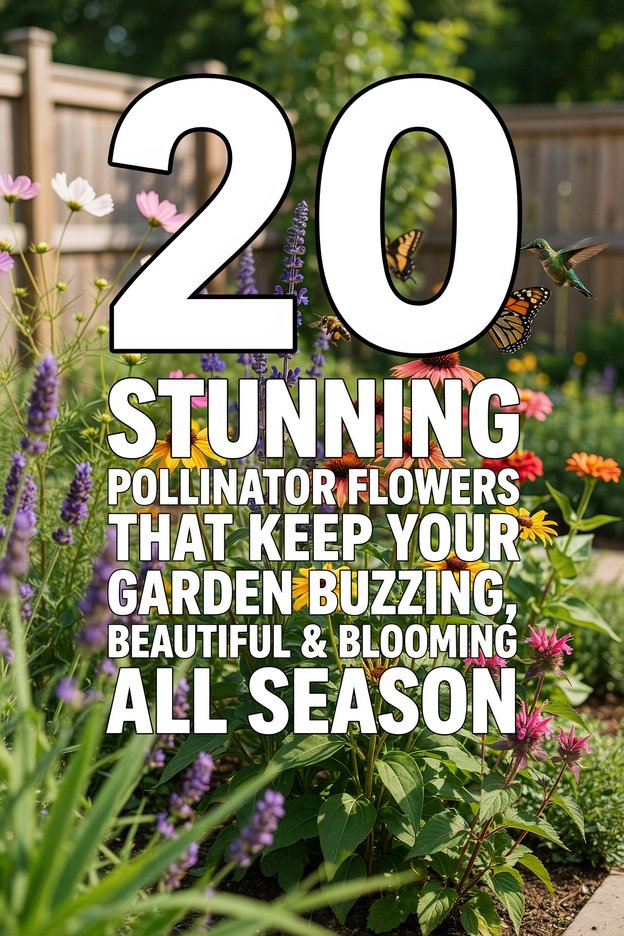
A few years ago, when I planted my first real garden, I thought it looked great. The flowers were colorful, the beds were neat, and everything seemed perfect. But after spending some time outside, I noticed something was missing. There were hardly any bees, butterflies, or birds around. The garden looked nice, but it didn’t feel alive.
That’s when I learned how important pollinator-friendly flowers are. I started adding plants that attract bees, butterflies, and hummingbirds, and the difference was amazing. Before long, butterflies were fluttering from flower to flower, bees were busy collecting nectar, and even hummingbirds started making regular visits. Suddenly, the garden felt full of energy and life.
The good news is that creating a pollinator garden isn’t difficult. With the right flowers, you can turn any outdoor space into a colorful habitat that supports local wildlife while looking beautiful at the same time. Whether you have a large backyard, a small garden bed, or even a few containers on a patio, there are plenty of plants that can help.
In this guide, you’ll discover 20 of the best pollinator flowers that bloom throughout the season and attract all kinds of beneficial visitors. From fragrant lavender and cheerful zinnias to native favorites like bee balm and asters, these plants will keep your garden buzzing, blooming, and full of life from spring through fall.
Let’s get started.
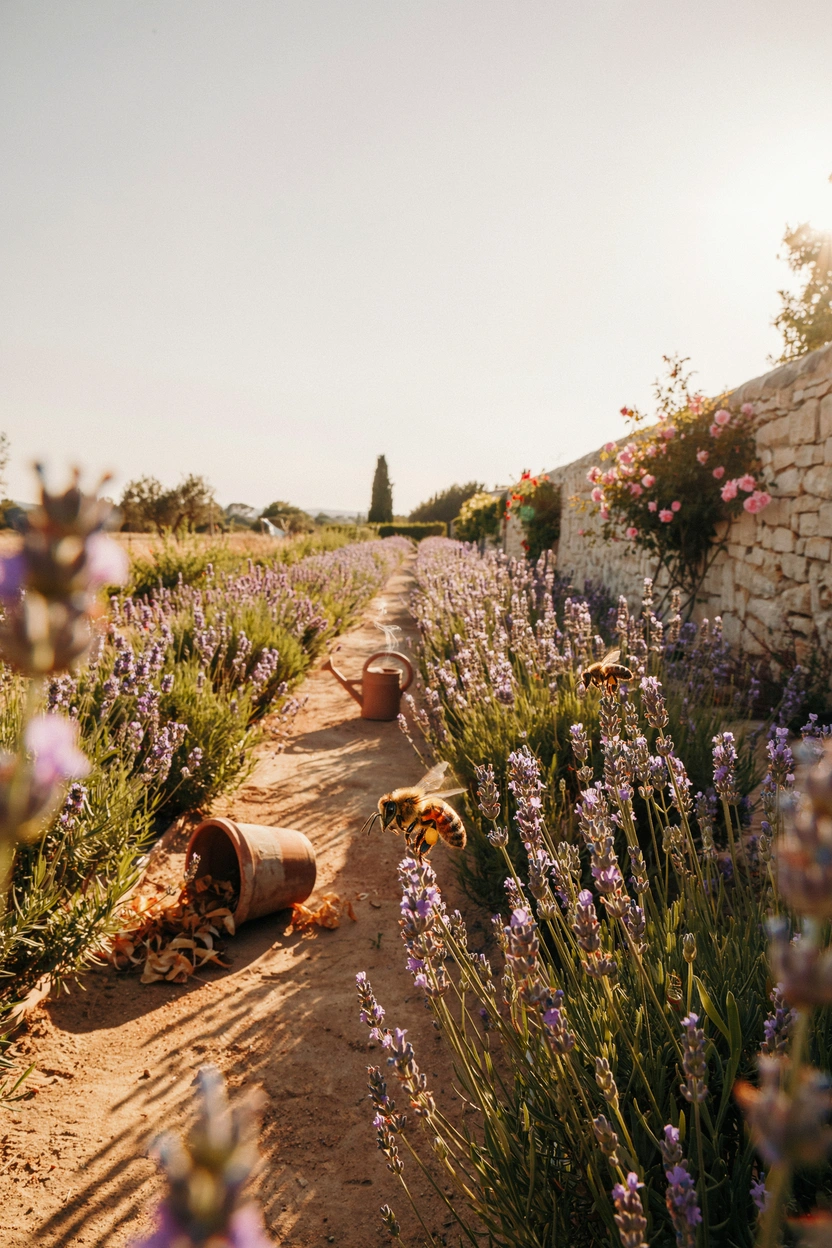
Lavender — The Fragrant Bee Magnet You’ll Want Everywhere
If there’s one plant that bees genuinely go wild for, it’s lavender. There’s something about those purple-blue flower spikes — the nectar, the oils, the scent — that honeybees and bumblebees find completely irresistible. Plant it in a sunny border, and you’ll hear it before you see it. That soft, continuous hum is one of the best sounds a garden can make.
Beyond the bees, lavender is one of the most beautiful plants for a pollinator garden. It’s drought-tolerant, deer-resistant, and blooms for weeks in early to midsummer. Try ‘Hidcote’ or ‘Munstead’ for compact borders, or ‘Phenomenal’ if you want a showstopper hedge. It’s also gorgeous dried — so you get to enjoy it long after the season ends.
Pair your flower borders with these beautiful cottage brick garden edging ideas to create a more polished and layered garden look.
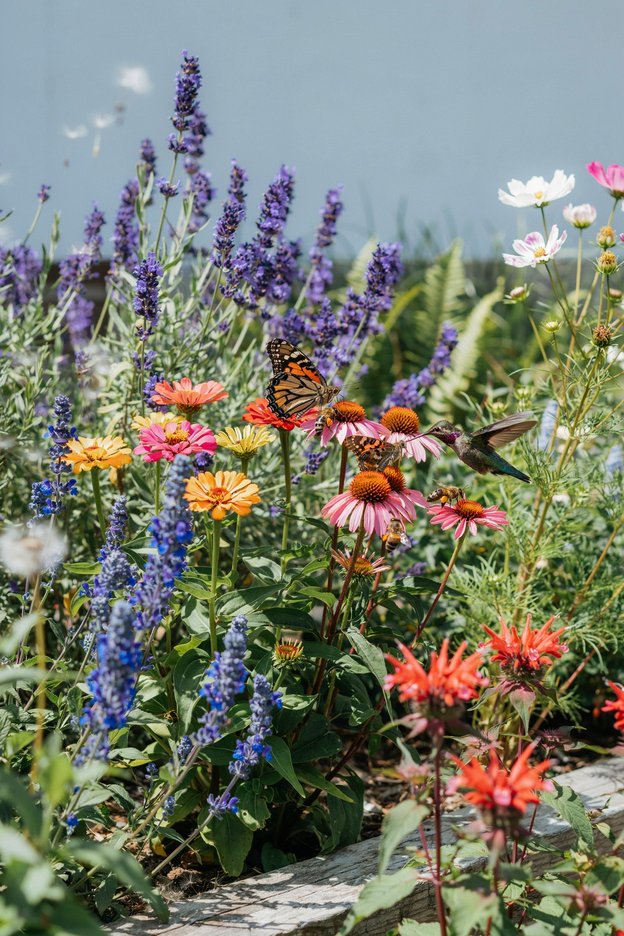
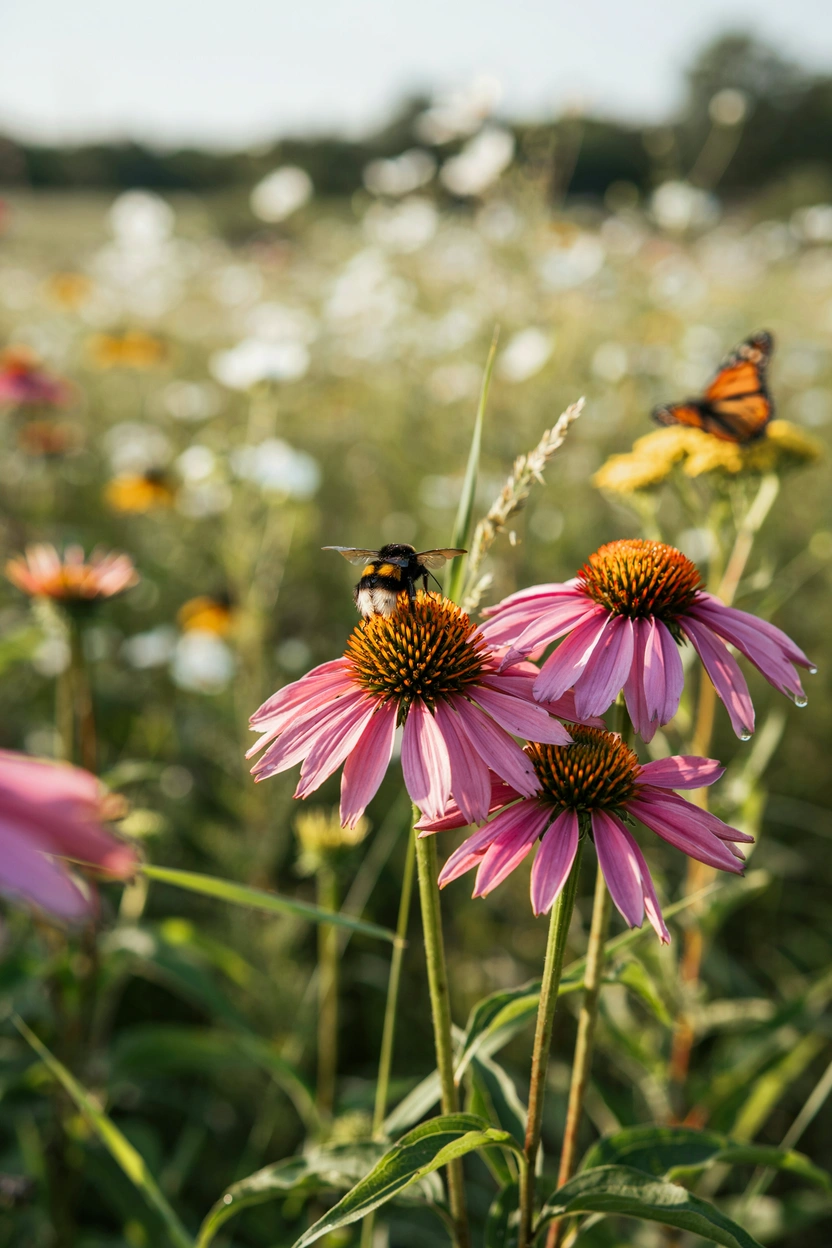
Echinacea (Coneflower) — Native Beauty That Feeds Bees and Birds
Echinacea is one of those plants that keeps on giving. From midsummer into fall, those cheerful daisy-like blooms bring in native bees, butterflies, and even skippers. Then, once the petals drop, the spiky seed heads stay standing, and goldfinches come flocking. It’s a full-season wildlife buffet in a single plant.
What makes echinacea extra special is that it’s a North American native — which means local bees have co-evolved with it and absolutely know how to use it. It’s also tough as nails: drought-tolerant, long-lived, and happy in average soil. Pink and purple are the classics, but modern hybrids come in white, yellow, orange, and deep red. Mix a few varieties for a pollinator garden that looks like a wildflower meadow.
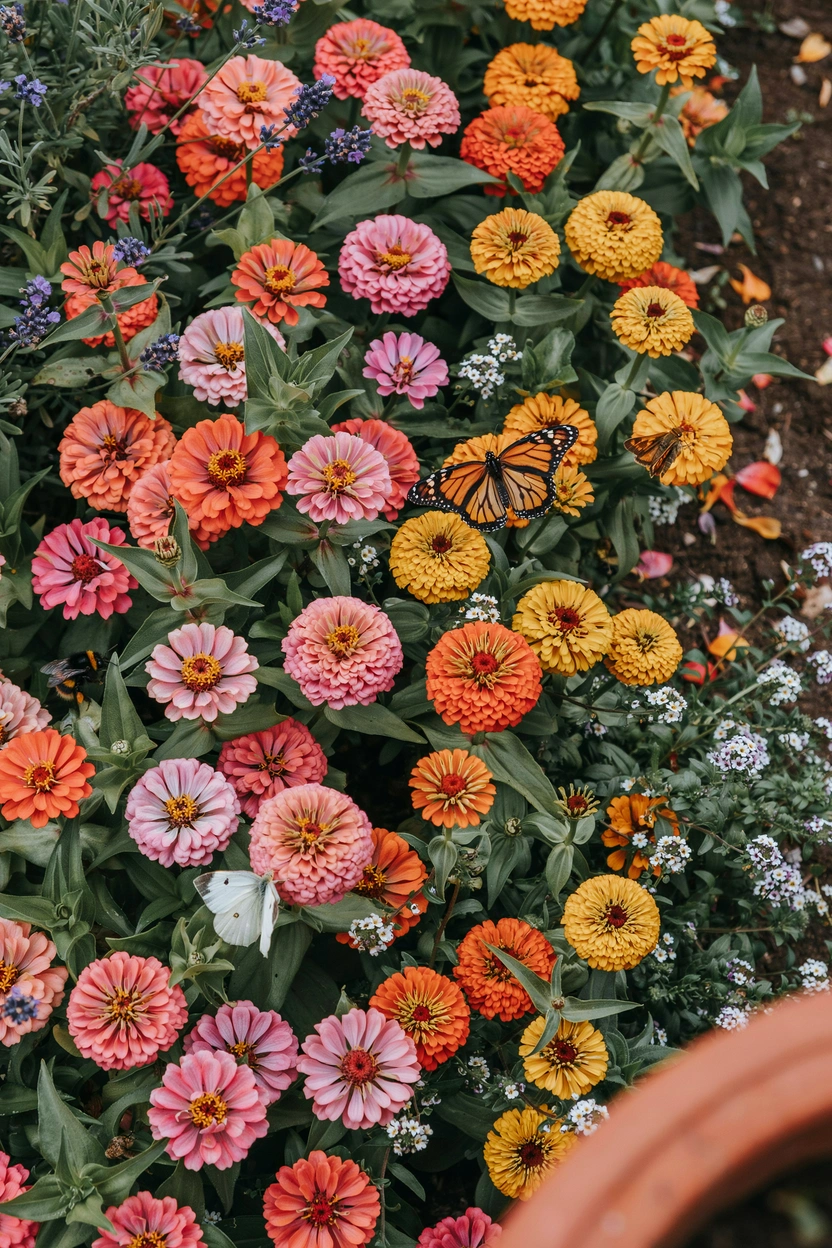
Zinnias — The Easiest Annual for a Butterfly Explosion
Want butterflies? Plant zinnias. Seriously — few flowers attract painted ladies, swallowtails, and monarchs as reliably as a good stand of zinnias. Their wide, flat blooms make perfect landing pads, and the nectar is rich enough to keep butterflies coming back all day long.
The best part? Zinnias are incredibly beginner-friendly. You direct-sow them straight into warm soil after the last frost, and they’re blooming in about 8 weeks. For non-stop color all season, do a second sowing in midsummer. They come in just about every color imaginable — from coral and hot pink to lime green and deep burgundy — which makes them absolute Pinterest gold. They’re also fantastic cut flowers, so you can bring that garden beauty indoors.
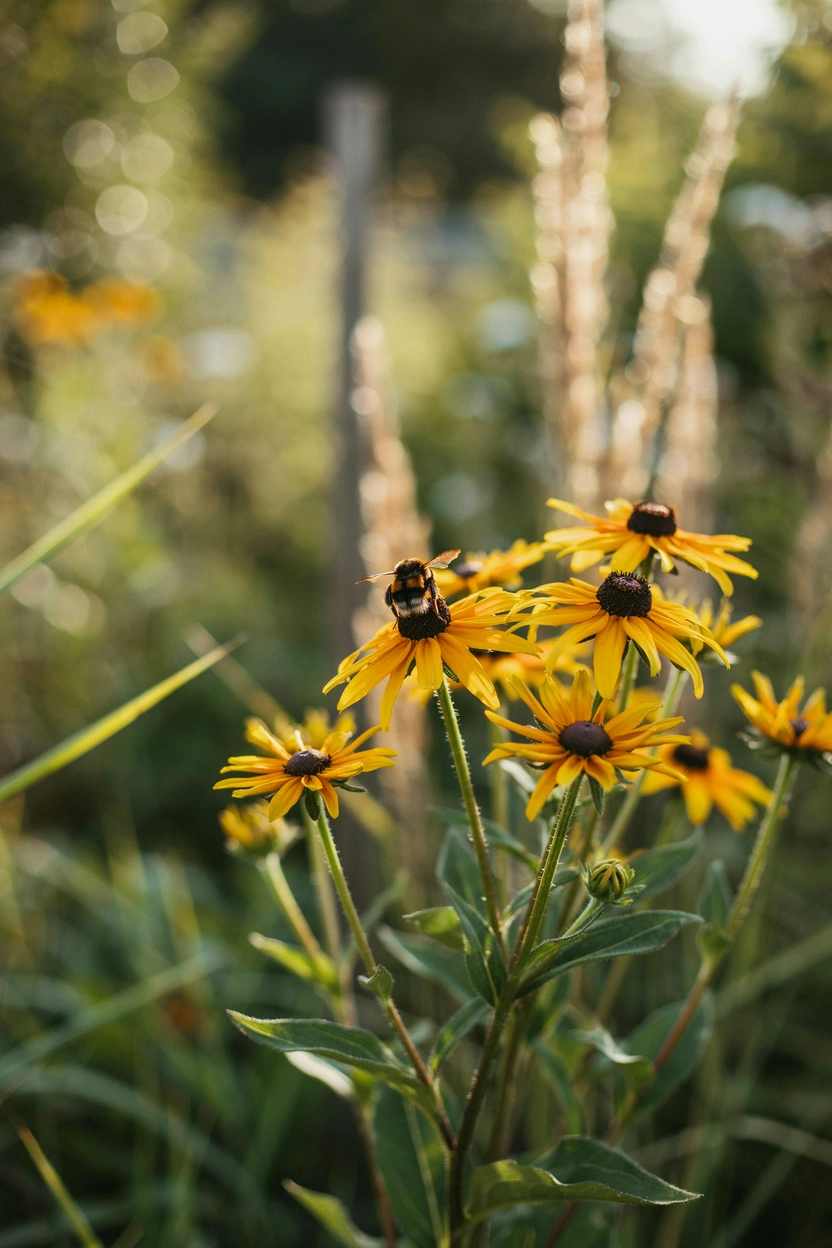
Black-Eyed Susan — The Sun-Loving Wildflower Pollinators Adore
There’s something wonderfully no-fuss about black-eyed Susans. They thrive in heat, tolerate drought, spread cheerfully on their own, and bloom from midsummer well into fall — filling that often tricky August gap when a lot of other flowers are winding down. Native bees, bumblebees, soldier beetles, and several butterfly species all visit regularly.
They’re also one of the best plants for a naturalistic or cottage-style garden. Their golden-yellow petals with that dark central button look stunning planted in drifts, especially when paired with ornamental grasses or purple coneflowers. As a native prairie plant, they naturalize beautifully over time — spreading gently without becoming invasive. Let some seed heads stand in the fall to feed the birds through winter.
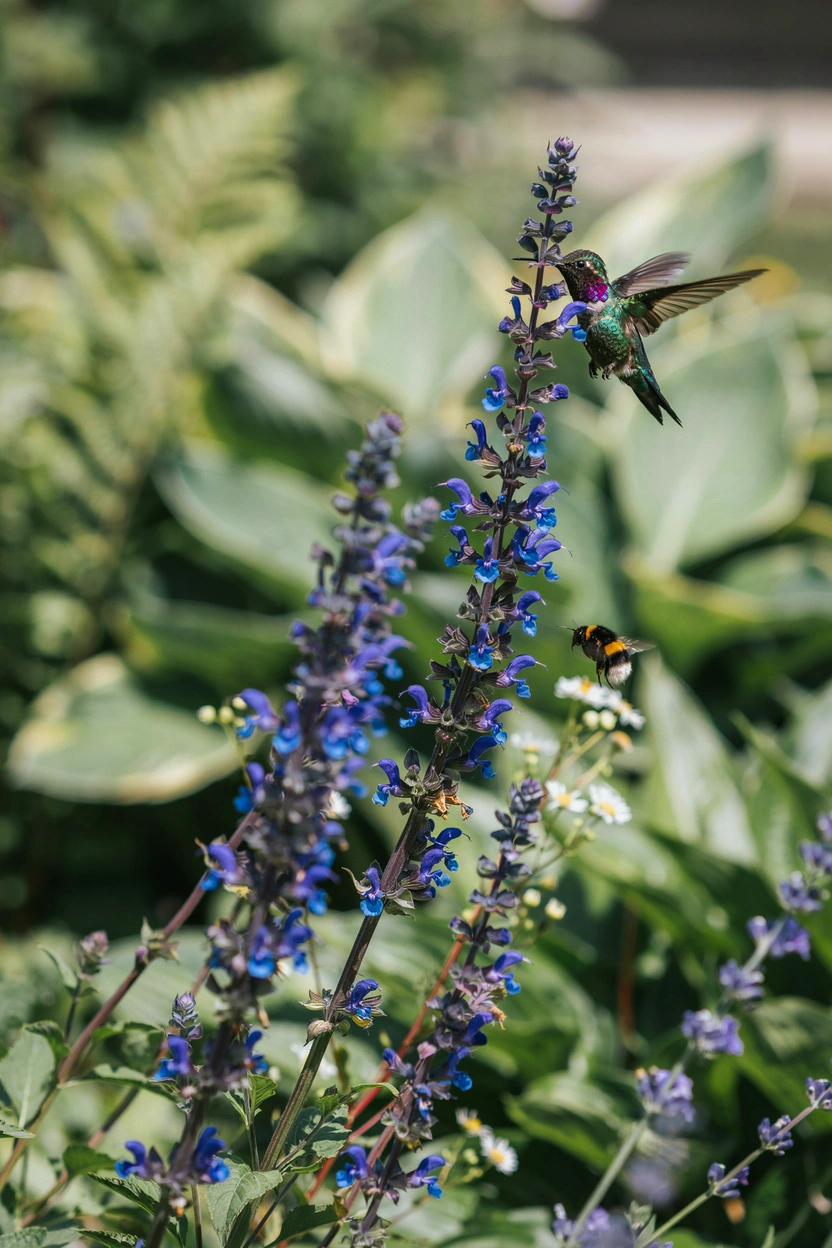
Salvia — The Hummingbird Highway in Your Backyard
If hummingbirds are what you’re after, salvia is non-negotiable. Those tubular flowers are practically designed for hummingbird beaks — and both the birds and the native bees have figured this out. Plant a few salvias, and you’ll have action at the feeder that no actual feeder can match.
There are salvias for every climate and garden style. Salvia guaranitica ‘Black and Blue’ is a showstopper with deep indigo flowers and nearly black calyxes — dramatic and absolutely magnetic to hummingbirds. For a perennial that blooms from early summer to frost, Salvia nemorosa is hard to beat. Annual salvias like the classic red ‘Victoria’ work beautifully in containers. All of them handle heat and drought better than most flowers, making them a great choice if your garden gets baked in summer.
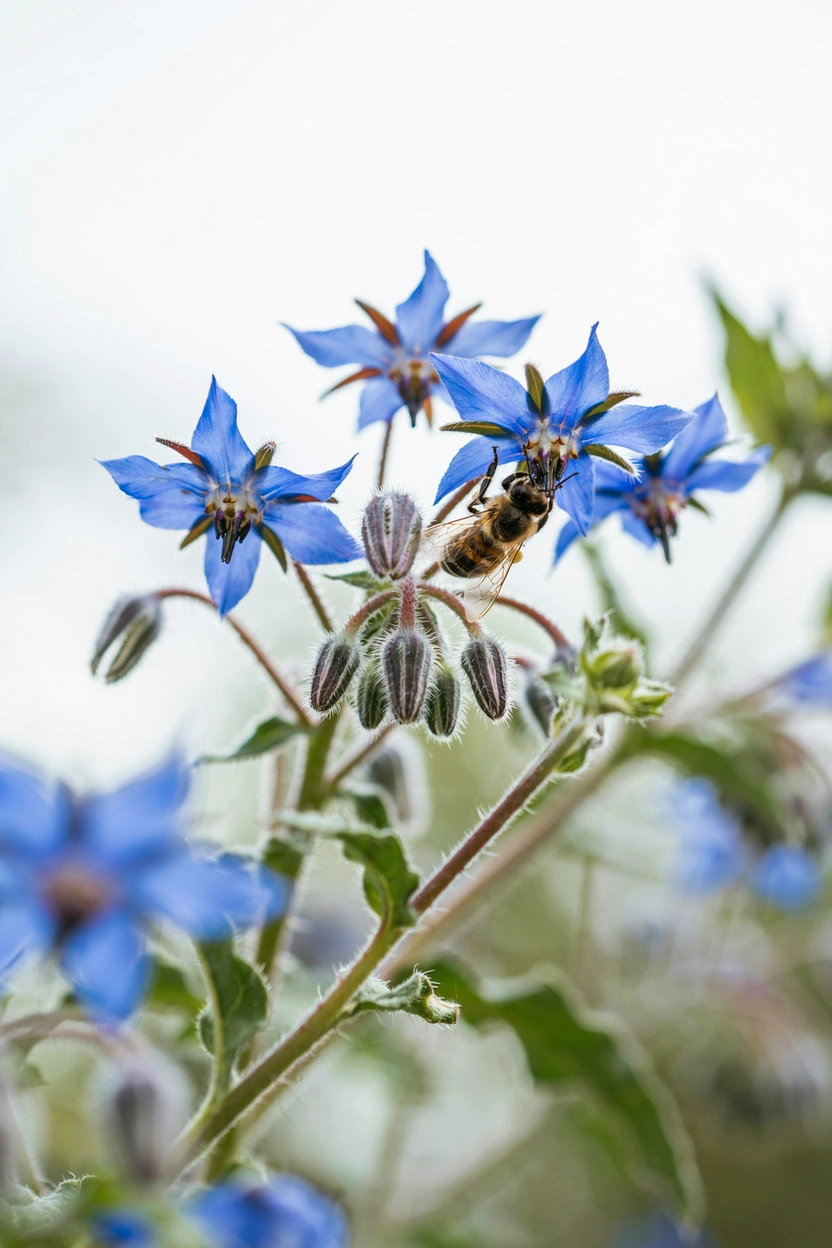
Borage — The Underrated Herb-Flower Bees Go Wild For
Borage doesn’t get nearly enough credit. Those brilliant cobalt-blue star-shaped flowers have one of the highest nectar concentrations of any garden plant — and bees seem to know it. Watch a patch of borage on a warm morning, and you’ll barely be able to count all the bees working it at once.
It’s also an incredibly easy-going plant. Sow it once and it’ll self-seed year after year, showing up reliably without you doing a thing. It actually prefers slightly poor soil, so don’t over-fuss. As a bonus, the flowers are edible — they taste faintly like cucumber and look gorgeous frozen in ice cubes or scattered over salads. In the vegetable garden, borage also makes an excellent companion plant, repelling tomato hornworms and attracting pollinators to improve your yields.
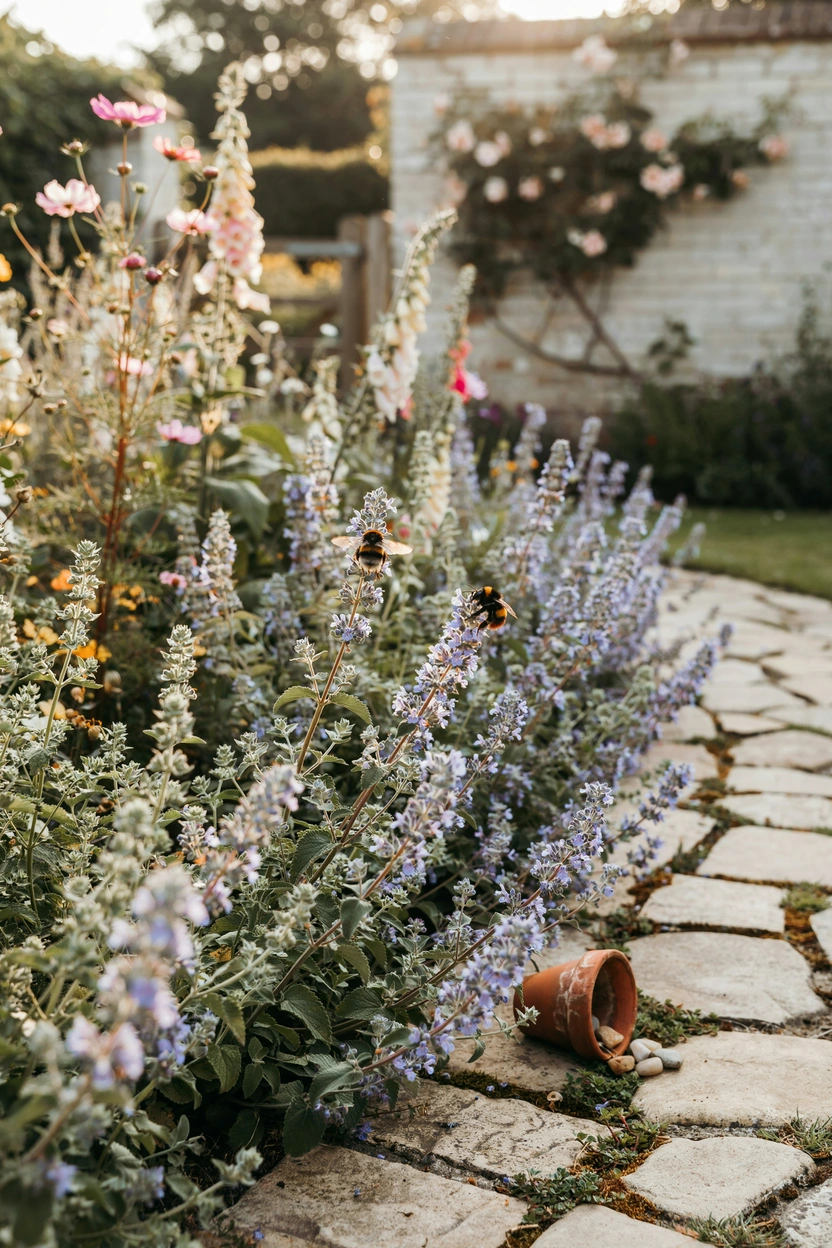
Catmint (Nepeta) — The Long-Blooming Border Star Pollinators Love
Catmint is one of the hardest-working plants in a pollinator garden. It starts blooming in late spring, and if you give it a hard cut back after the first flush, it comes back for a second — sometimes even third — wave of flowers deep into fall. That lavender-blue haze effect, spilling over the edge of a garden border, is one of those images that gets pinned thousands of times for good reason.
Bumblebees are especially fond of catmint, but you’ll see honeybees and smaller native bees working on it too. It’s also deer-resistant, drought-tolerant once established, and completely unfussy about soil. ‘Walker’s Low’ is probably the most popular variety — sprawling and graceful. ‘Six Hills Giant’ is a bigger, bolder statement. Either way, plant it at the front of a sunny border and let it do its thing.
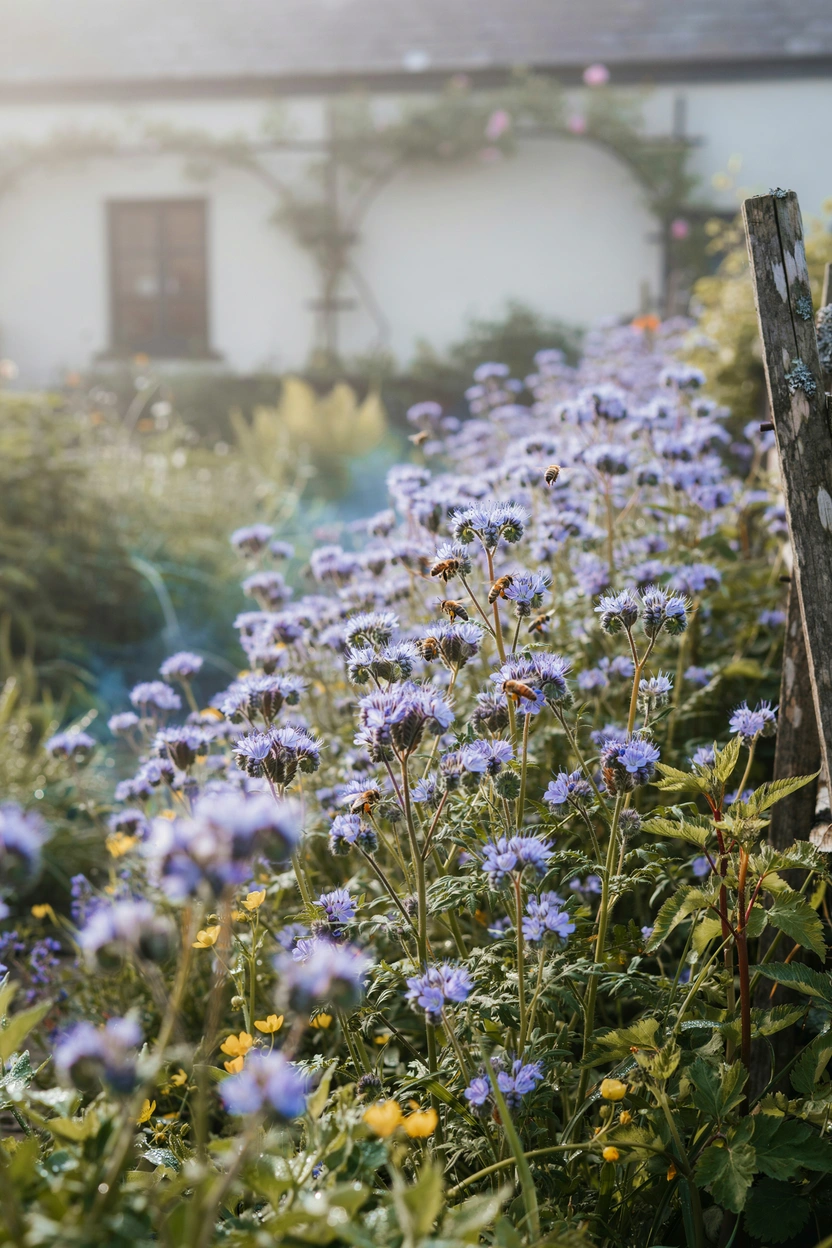
Phacelia — The Secret Wildflower Every Bee Garden Needs
Ask most gardeners about phacelia, and you’ll get a blank look. But ask a beekeeper? They’ll tell you it’s one of the best bee plants in existence. Studies have consistently rated phacelia among the top nectar producers, and in some regions it’s actually grown commercially as a bee forage crop. That should tell you something.
It’s a cool-season annual with stunning violet-purple flower coils that bloom in spring — right when other flowers are just getting started, and pollinators are desperately hungry after winter. It grows fast, blooms quickly from seed, and looks wildly beautiful in drifts. Think of it as that hidden gem your garden is missing — the one that will make pollinator-savvy visitors stop and say, “Oh wow, what is that?”
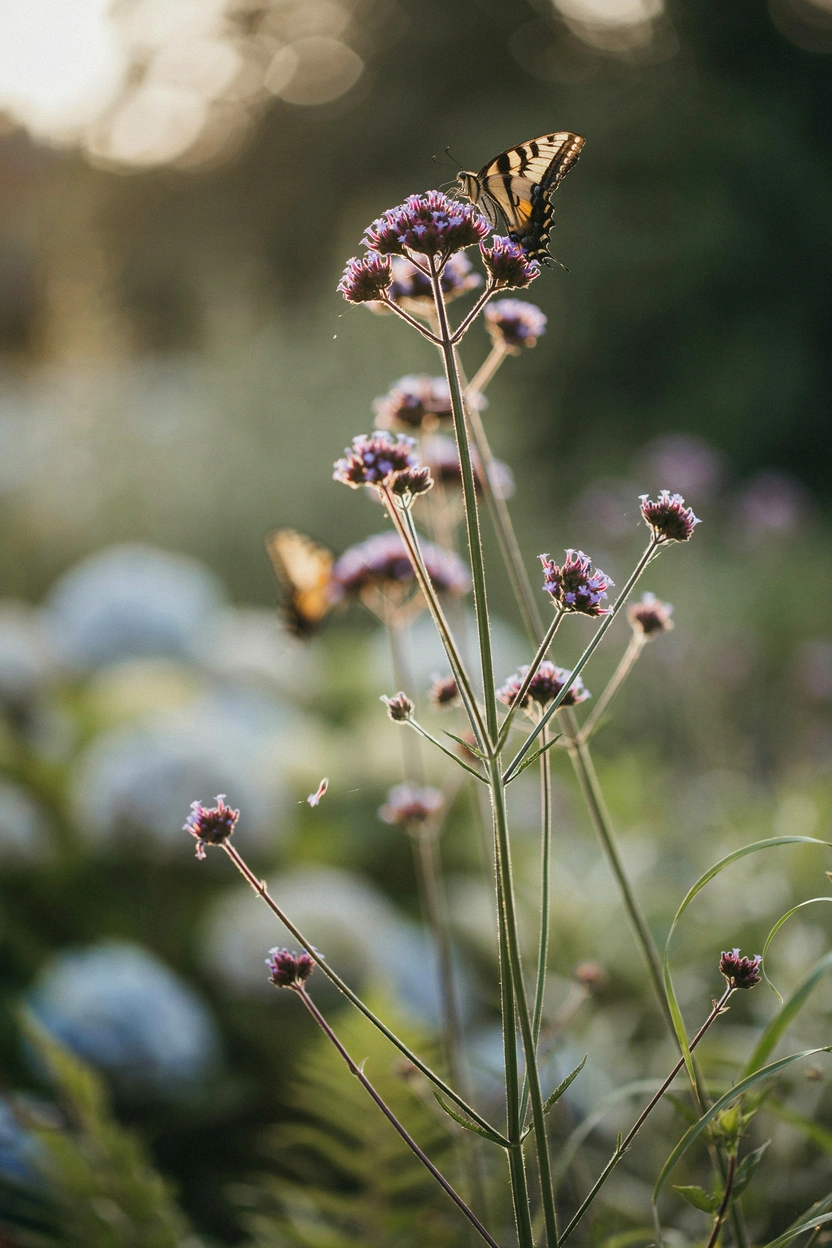
Verbena bonariensis — Tall, Airy, and Irresistible to Butterflies
There’s something almost magical about the way Verbena bonariensis looks in a garden. Those tall, wiry stems hold tiny clusters of purple flowers up high — like little purple fireworks on stilts. And because the stems are so see-through and airy, you can plant them in front of other plants without blocking anything. It’s what garden designers call a “matrix plant,” and it’s absolutely brilliant.
Butterflies — especially painted ladies, monarchs, and swallowtails — are drawn to verbena like it’s a beacon. It blooms from midsummer until frost and self-seeds freely, so you get more plants each year without effort. In warmer climates (zones 7+) it even overwinters as a short-lived perennial. Plant it in masses for a jaw-dropping, Pinterest-ready garden moment that feels effortlessly beautiful.
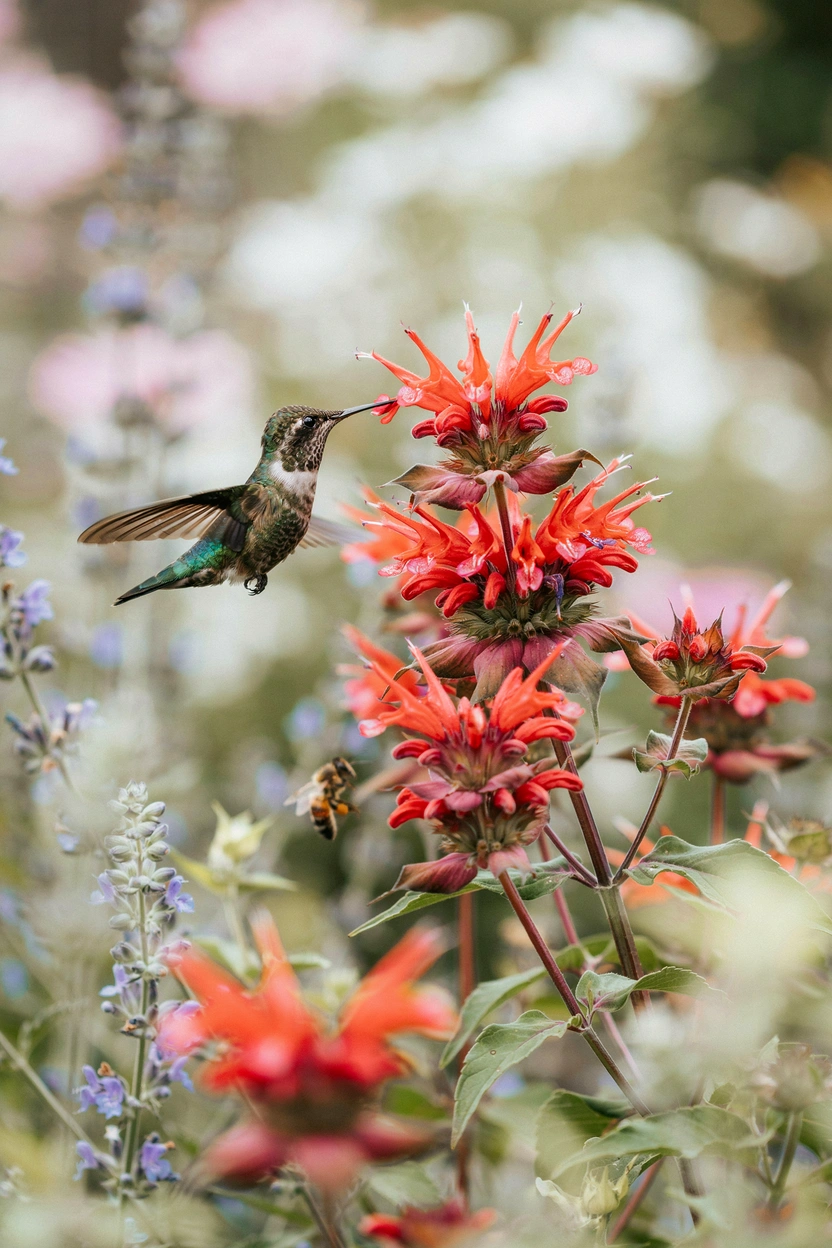
Monarda (Bee Balm) — The Native Perennial That Lives Up to Its Name
The name says it all. Bee balm is one of those native plants that earns its spot in the garden in every single way. The shaggy, pompom-like flowers in red, pink, coral, and purple are genuinely gorgeous — and they’re a hummingbird and native bumblebee magnet from midsummer onward. I’ve seen hummingbirds go absolutely ballistic over a patch of red monarda on a July morning.
It spreads over time into beautiful clumps, which is great if you have space, though it’s easy to divide and share. The one thing to watch is powdery mildew — it can hit in humid summers. Go for mildew-resistant varieties like ‘Jacob Cline’ (red) or ‘Marshall’s Delight’ (pink), and you’ll have far fewer problems. Deadhead blooms to extend flowering. The aromatic leaves are also lovely when dried for herbal tea.
Agastache — The Drought-Tolerant Powerhouse Hummingbirds Treasure
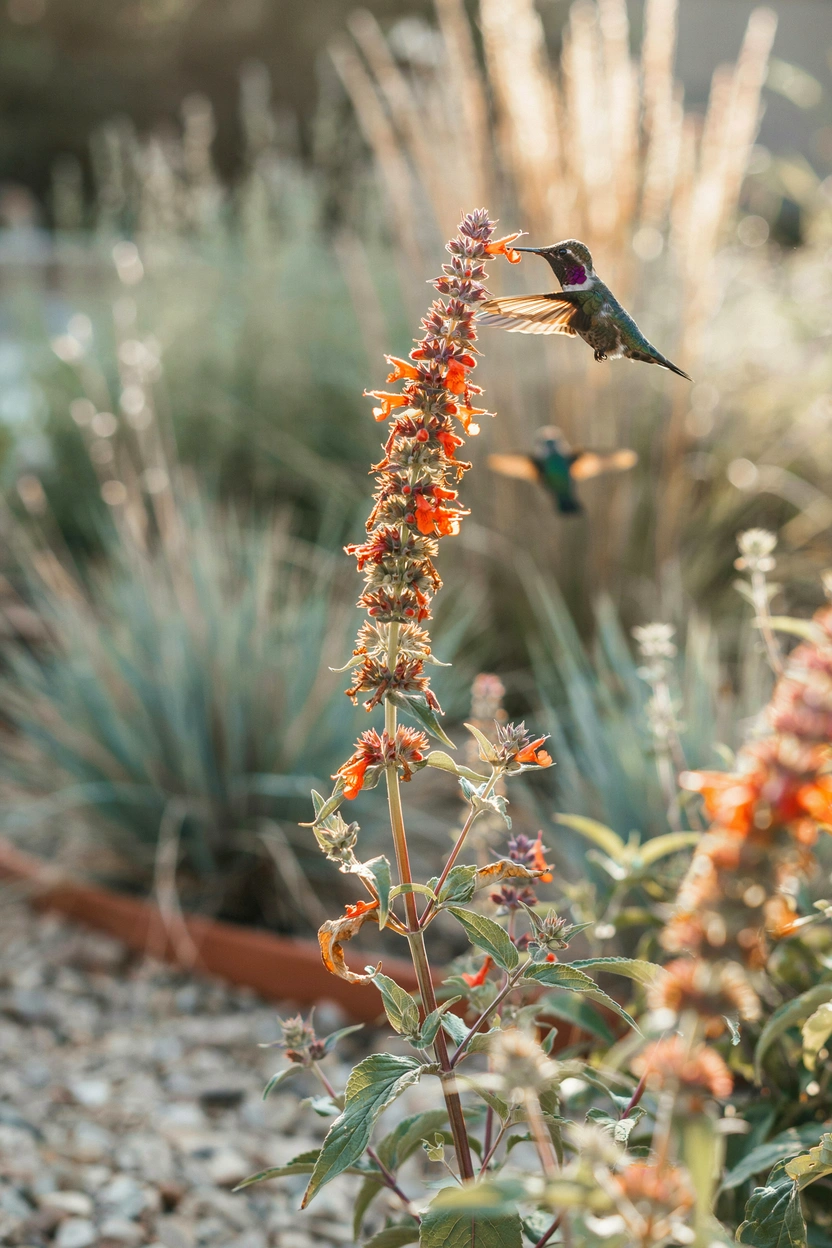
Agastache might be the most underplanted pollinator flower in American gardens. Those long, colorful flower spikes — in shades of orange, coral, purple, and blue — bloom from midsummer right up to the first hard frost. That’s one of the longest bloom windows of any perennial, and hummingbirds take full advantage of every week of it.
It’s also anise-scented, deer-resistant, and genuinely thrives in poor, dry soil. Perfect if you have a tough sunny spot where nothing else wants to grow. ‘Blue Fortune’ is a classic with soft lavender-blue spikes. ‘Kudos Coral’ and ‘Raspberry Summer’ bring warm, vibrant tones that look incredible against silvery ornamental grasses. Give it full sun and good drainage, and get out of the way — it practically takes care of itself.
Sunflowers — The Classic Giant That Feeds an Entire Ecosystem
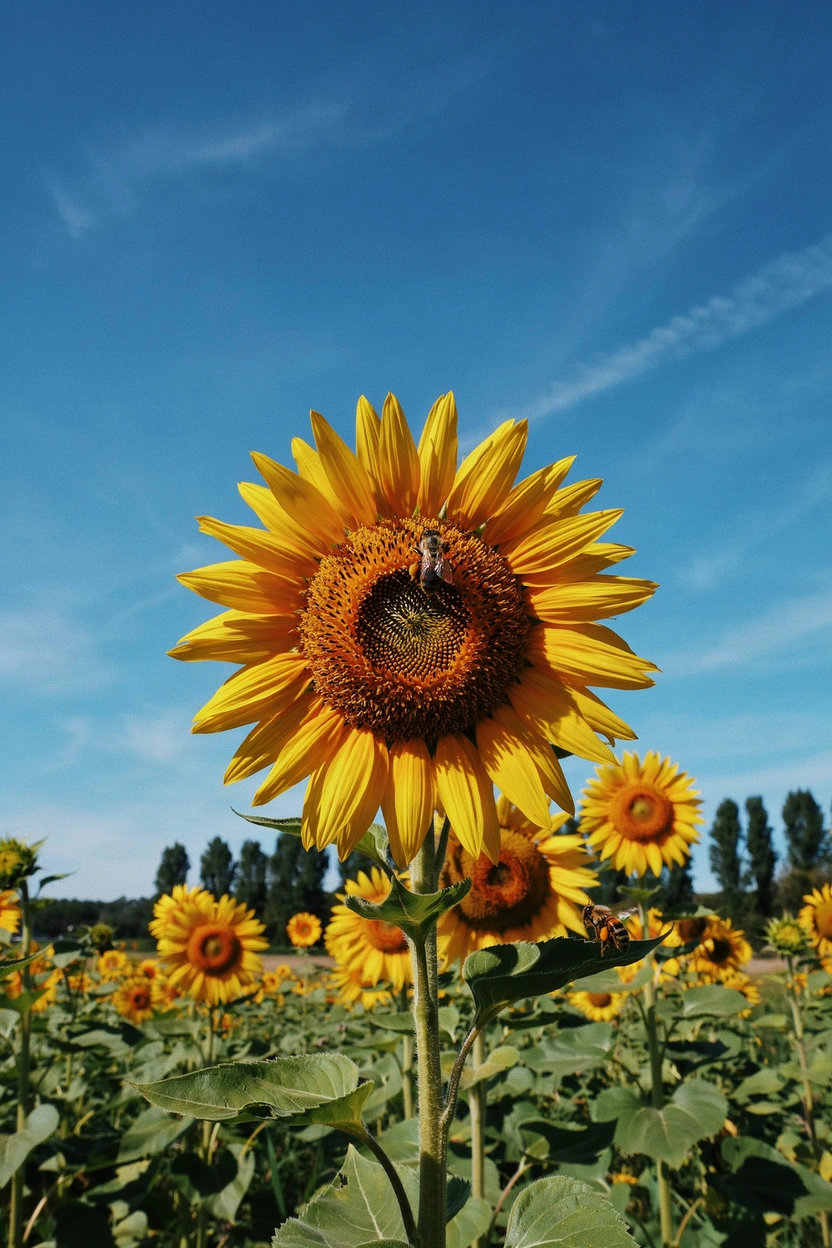
Sunflowers are more than just cheerful, towering summer icons. They’re a genuine ecosystem in a single plant. The pollen-rich blooms draw in a huge range of native bees — especially ground-nesting bees that are pollen specialists. Then, as the seed heads ripen and dry, they become a fall buffet for goldfinches, chickadees, and other seed-eating birds.
For maximum pollinator value, choose open-faced, pollen-producing varieties rather than sterile, pollen-free types sold for cut flowers. ‘Lemon Queen’ is a tall, multi-branching variety that’s an absolute pollinator magnet. For smaller spaces, ‘Goldy’ or ‘Little Becka’ stay compact but still bloom abundantly. Do a succession sowing every two to three weeks from late spring into summer, and you’ll have sunflowers — and the wildlife that comes with them — for months.
Cosmos — Feathery, Carefree, and a Butterfly Magnet
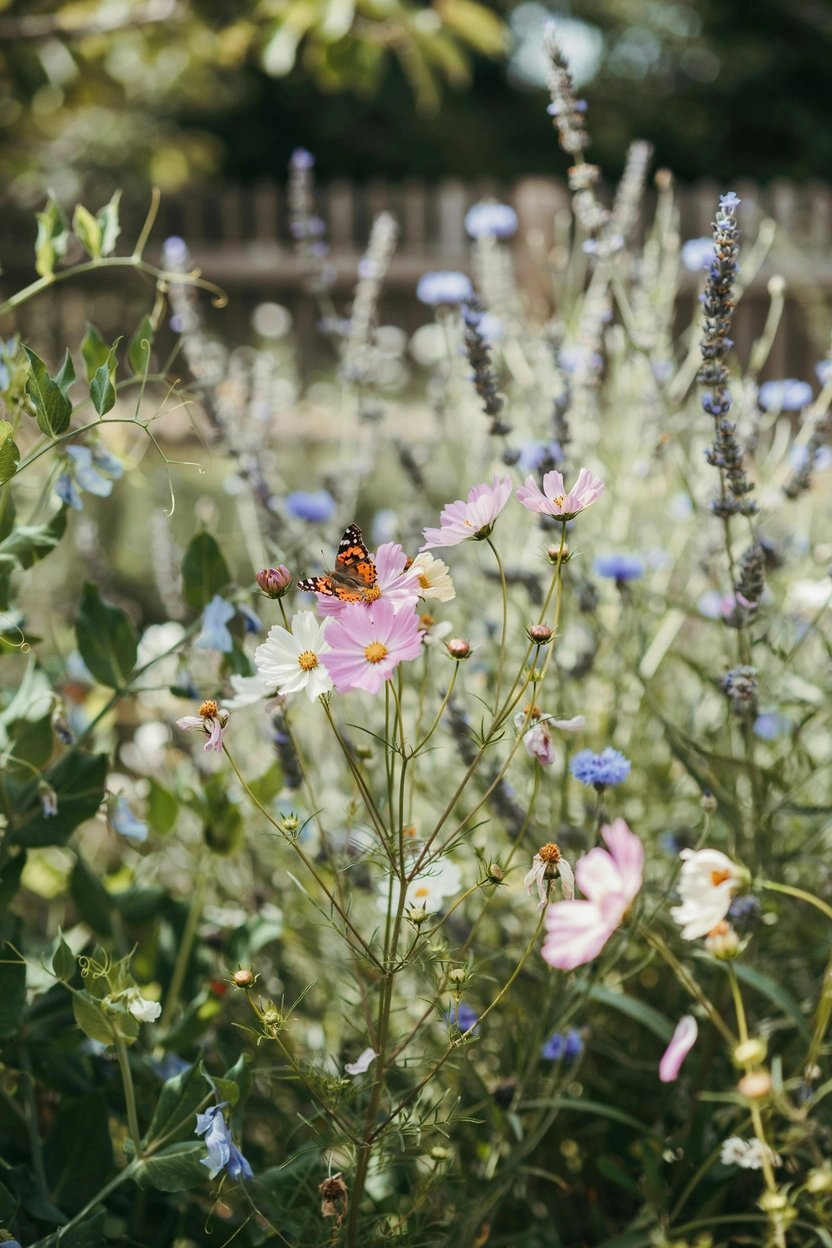
If gardens had a “set it and forget it” flower, cosmos would be it. These feathery, delicate-looking annuals bloom profusely from midsummer until frost, attract skippers, swallowtails, and painted ladies all season, and ask almost nothing from you in return. Plant them in poor soil, skip the fertilizer (extra nitrogen just gives you leaves instead of flowers), and let them do their thing.
The aesthetic is wonderfully romantic — those soft, airy petals in shades of white, pink, magenta, burgundy, and bi-color look almost like they belong in a vintage flower painting. They’re tall enough to add height to a border but light enough that they sway gently in the breeze without flopping. They’re also stunning in a cut flower vase. For continuous blooms, deadhead regularly or let them self-seed for an effortless repeat next year.
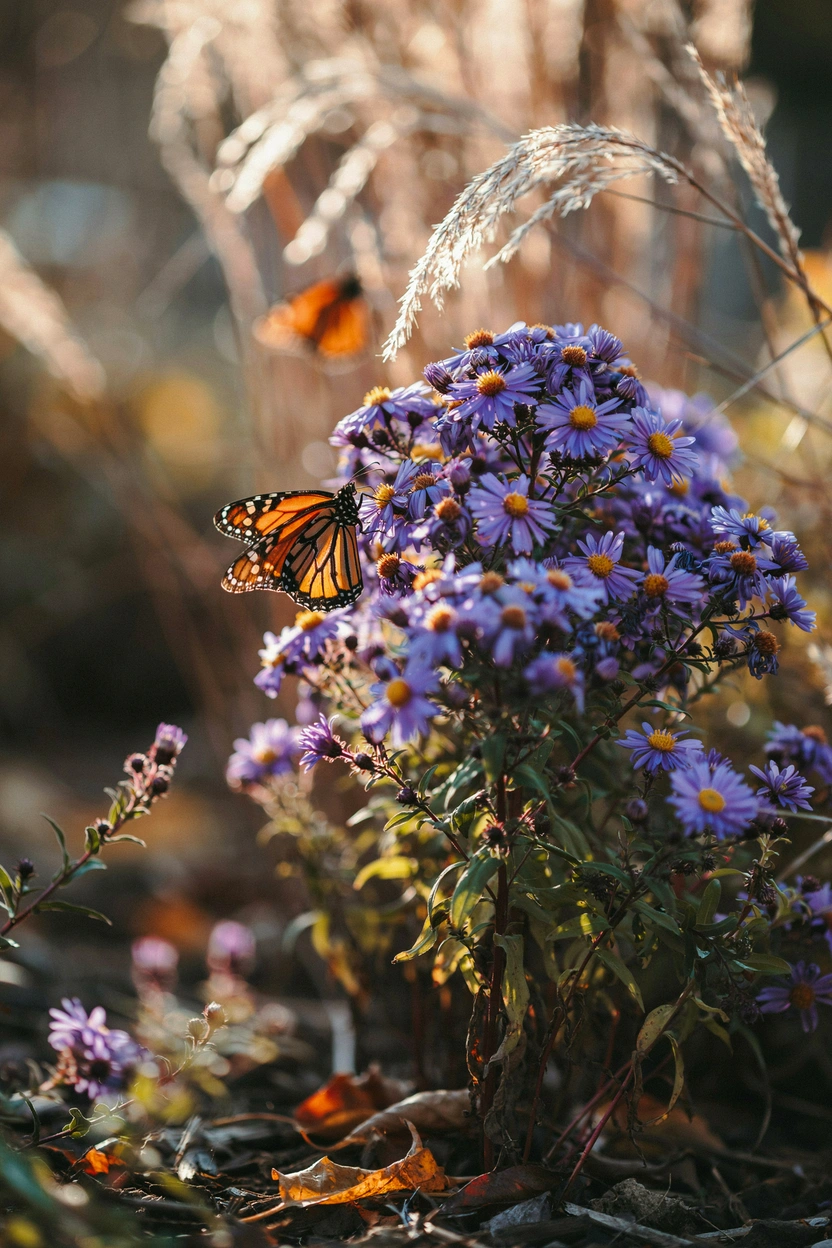
Native Asters — The Fall Lifesavers When Pollinators Need It Most
Here’s something most gardeners don’t think about: what happens to bees and butterflies in September and October when most flowers have finished? This is where native asters become genuinely critical. They’re one of the last nectar sources of the season — blooming when migrating monarchs desperately need fuel and native bees are building their last fat reserves before winter.
New England asters (Symphyotrichum novae-angliae) are the showiest — clusters of rich purple or pink flowers that absolutely light up a fall garden. Aromatic asters (S. oblongifolium) are more compact and incredibly floriferous. Either way, these plants are doing conservation work as much as garden work. Pair them with ornamental grasses for a stunning autumn display that also means something for the wildlife, depending on your garden.
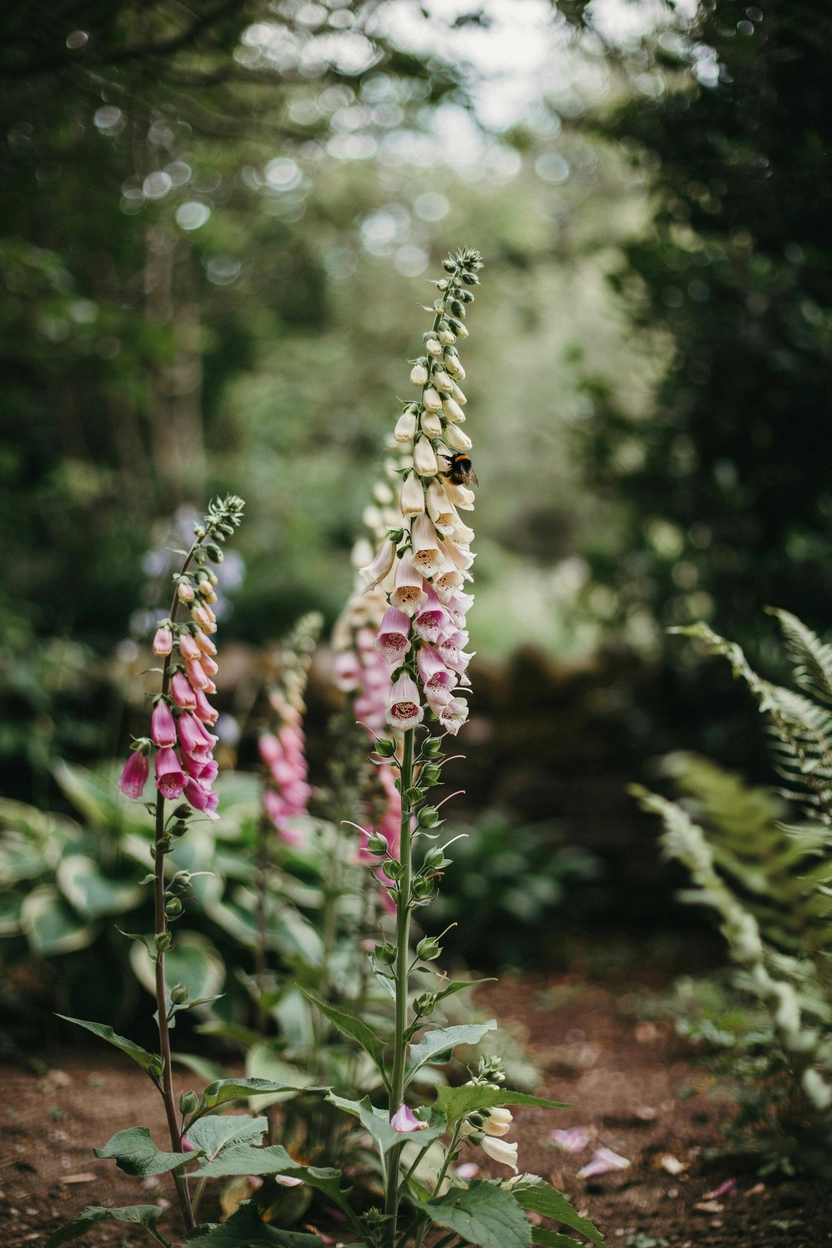
Foxglove — The Elegant Cottage Garden Bloom Bumblebees Dive Into
Foxglove is one of those flowers that makes a whole garden look like a storybook. Those tall spires of tubular bells — in pink, purple, white, and cream, often speckled inside — have an old-world elegance that’s hard to match. And bumblebees are absolutely crazy about them. Watch a bumblebee crawl completely inside a foxglove bloom to reach the nectar, and you’ll understand why these two are made for each other.
Foxgloves are biennials, which means you sow seeds one year and they bloom the next — but it’s worth the wait. Scatter seeds in part-shade or a woodland garden edge, and they’ll establish a self-perpetuating colony over time. One important note: every part of the foxglove plant is toxic if ingested, so if you have young children or pets that nibble plants, choose a sheltered spot or skip this one. For everyone else, it’s a stunning addition to a pollinator-friendly cottage garden.
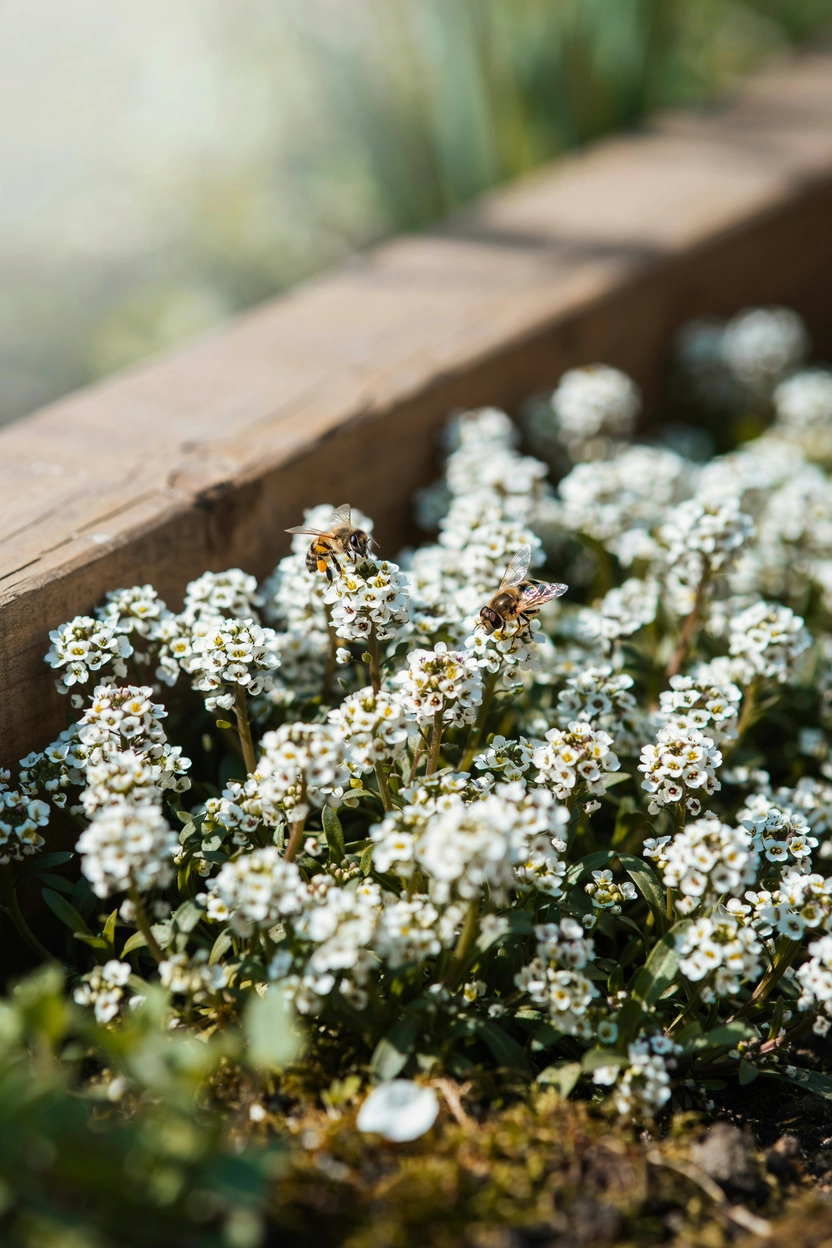
Sweet Alyssum — The Low-Growing Carpet That Beneficial Insects Love
Most gardeners focus on bees and butterflies when they think about pollinators — but the list of beneficial insects a garden needs is much longer. Parasitic wasps, hoverflies, and lacewings are all important for pest control and pollination, and sweet alyssum is one of the best plants for attracting them. Those tiny, honey-scented flowers are specifically sized for small beneficial insects that many other flowers can’t accommodate.
Sweet alyssum grows fast, stays low, and creates a beautiful ground-level carpet of white, pink, or purple that softens the edges of borders and raised beds. It works brilliantly as living mulch around vegetables, suppressing weeds while feeding beneficial insects that help control pests. Shear it back hard mid-season, and it’ll rebloom fresh in fall. It’s a small plant doing a really big job.
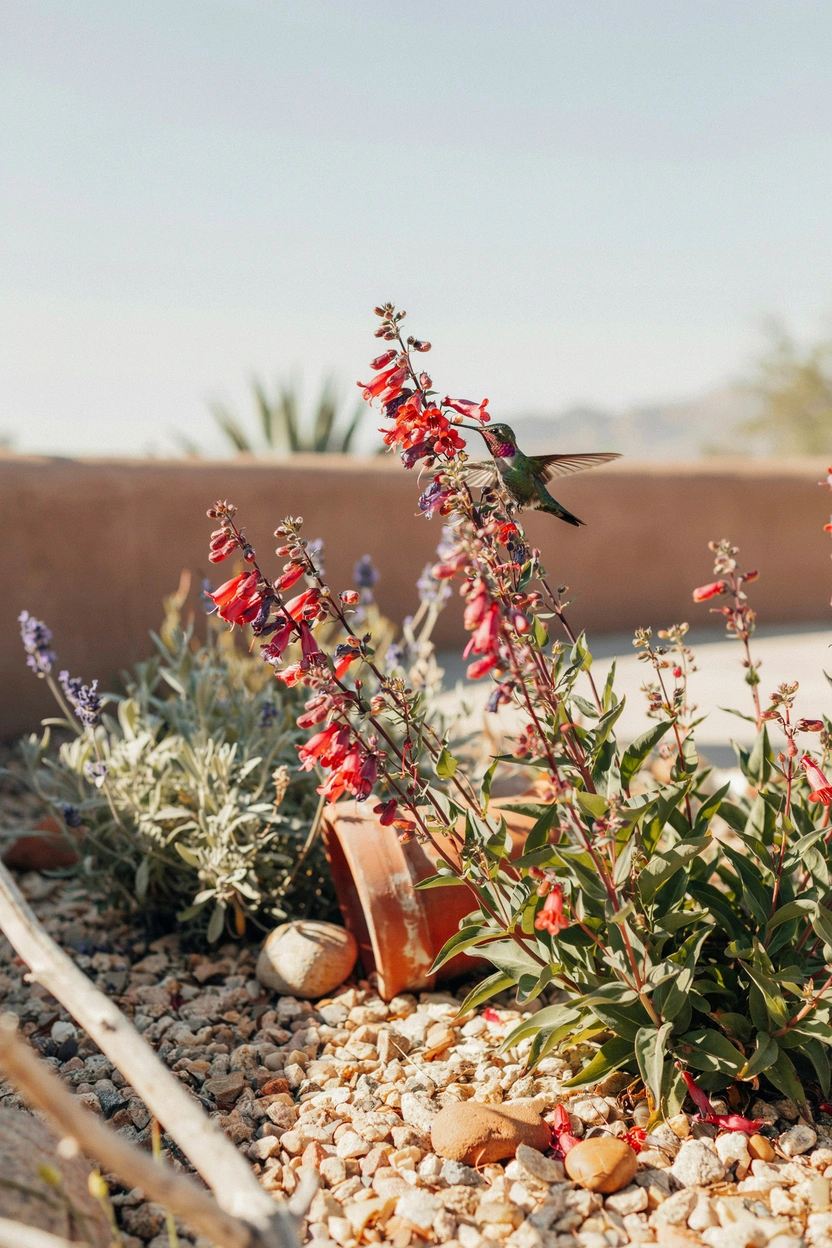
Penstemon — The Native Tubular Flower Hummingbirds Hunt For
Penstemon deserves far more attention than it gets in home gardens. This North American native produces gorgeous tubular flowers in red, pink, purple, and white — and hummingbirds have evolved alongside it. You can practically guarantee a hummingbird visit if you have penstemon blooming in late spring to early summer. That timing is perfect, bridging the gap before other summer perennials kick in.
Once established, penstemon is wonderfully drought-tolerant and asks very little from you. It thrives in well-drained, even rocky soil — which makes it a fantastic choice for dry slopes or gravel gardens. ‘Husker Red’ is a popular cultivar with burgundy foliage that looks stunning year-round. ‘Electric Blue’ and ‘Raven’ bring deep jewel tones. Give it full sun, resist the urge to over-water, and it’ll reward you for years.
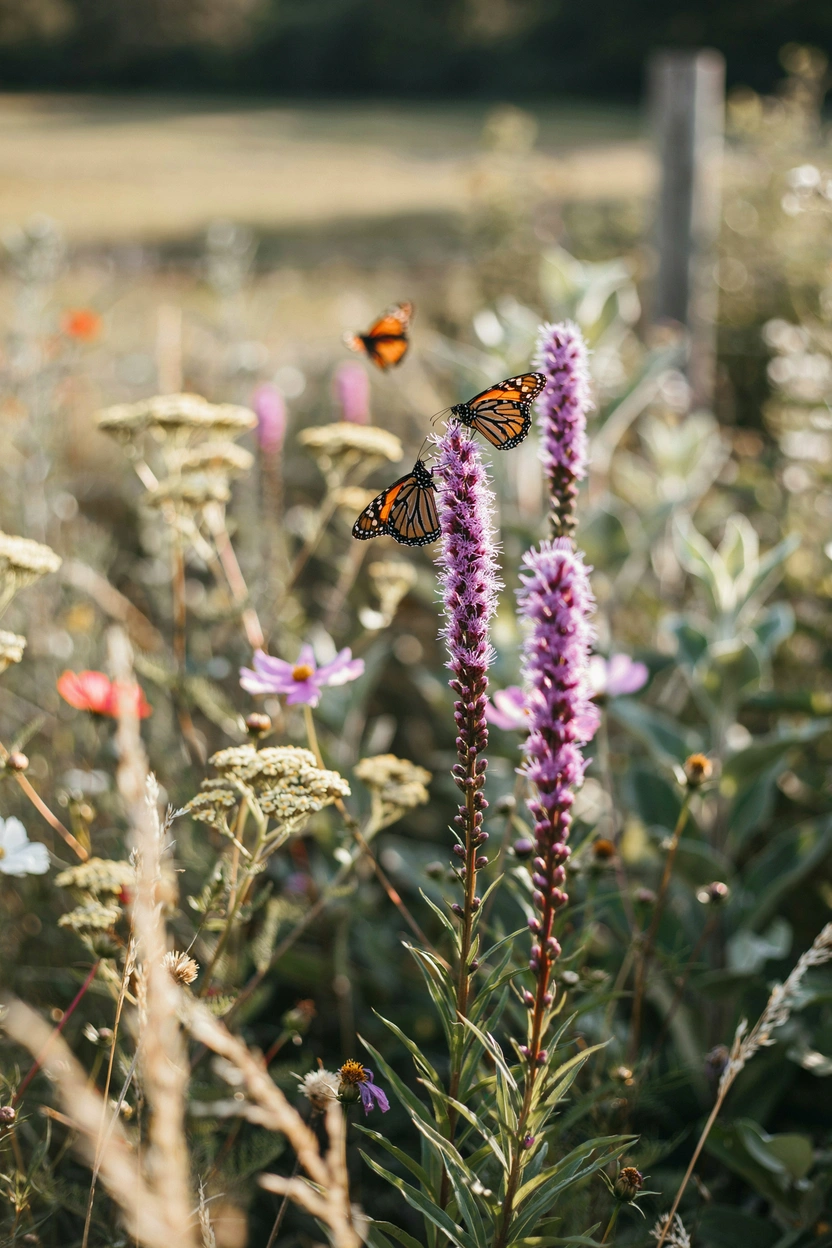
Liatris (Blazing Star) — The Vertical Wildflower Monarchs Migrate Toward
Liatris is one of those plants with a quirk that makes it genuinely interesting: it blooms from the top of the spike downward, which is the opposite of most flowers. That unusual growth habit, combined with its dramatic feathery magenta-purple spikes, makes it a real conversation starter in any garden.
But more importantly, liatris is a critical waystation plant for monarch butterflies during their fall migration. As monarchs travel south to Mexico, they need reliable nectar sources, and liatris blooms at exactly the right time to fuel that journey. It’s also beloved by native bees and swallowtails. Plant it in a dry, sunny spot — poor soil is fine — and let it naturalize into a drift. The vertical, architectural form looks stunning with ornamental grasses in a late-summer meadow planting.
Looking for more dreamy planting inspiration? These English cottage rose garden ideas add even more romantic charm to colorful flower borders.
How to Design a Pollinator Garden That Blooms All Season
The secret to a garden that buzzes with life from April to October isn’t planting more flowers — it’s planning a succession. Think of it in three waves: spring bloomers (phacelia, penstemon, catmint), midsummer stars (lavender, zinnias, bee balm, coneflower), and fall anchors (native asters, rudbeckia, liatris). When one wave finishes, another takes over.
Layer your plant heights too. Low growers like sweet alyssum and catmint at the front, medium plants like echinacea and salvia in the middle, and tall statement plants like cleome, liatris, and sunflowers at the back. This layered approach creates more visual interest and gives pollinators more foraging zones at different heights — just like they’d find in nature.
Tips for a Pesticide-Free, Pollinator-Safe Garden
This is the part most gardening articles skip, but it really matters. You can plant every flower on this list and still have a struggling pollinator population if you’re using systemic pesticides — especially neonicotinoids, which are absorbed into the plant’s tissue and show up in the nectar and pollen that bees collect.
If pests are a problem, start with physical controls (row covers, hand-picking) and natural sprays like insecticidal soap or neem oil applied in the evening when bees aren’t foraging. The goal is a garden where pollinators feel safe landing on every single flower. That’s when you see the real magic.
Best Pollinator Flowers for Small Spaces and Raised Beds
Limited on space? Don’t worry — you don’t need an acre to make a difference. Some of the most effective pollinator plants are perfectly suited to small gardens, containers, and raised beds. Lavender, catmint, zinnias, sweet alyssum, and agastache all grow beautifully in containers on a patio or balcony.
For raised beds, try a mix of zinnias, borage, and cosmos for non-stop summer color that butterflies and bees will find even in an urban setting. Even a single well-chosen pot of catmint or lavender on a sunny windowsill can become a regular bee stop. Every flower counts.
Conclusion
Honestly? A pollinator garden doesn’t have to be perfect to be powerful.
You don’t need a huge yard. You don’t need to plant all 20 flowers at once. You need to start — one lavender plant, a packet of zinnia seeds, a pot of catmint on a sunny step. That’s genuinely enough to make a difference.
What I love most about this kind of gardening is how quickly it rewards you. Within days of your first blooms opening, you’ll notice things changing. A bee circling curiously. A butterfly pauses longer than usual. That tiny moment when your garden stops being just a pretty space and starts feeling alive — that’s the moment you’ll never forget.
And trust me, once it happens, you won’t want to stop. Next spring, you’ll be sneaking in a patch of echinacea—the year after, maybe a row of liatris along the back fence. Before you know it, you’ve built something genuinely beautiful — not just for you, but for every bee, butterfly, and hummingbird that finds its way to your door.
That’s the real reward of a pollinator garden. It gives back more than you put in, every single season.