
There’s something almost unfair about a cottage garden. It looks like it just… happened. Like the flowers decided on their own to spill over fences, weave between each other, and create this wild, dreamy scene that stops people mid-walk. But here’s the thing — it didn’t happen by accident. Someone chose the right plants.
If you’ve been thinking a cottage garden is too complicated, too English, or too much work, I completely get that. I thought the same thing. But once you know which flowers to pick, it’s honestly one of the easiest garden styles to pull off. These plants want to grow. Some of them will even spread and fill gaps all by themselves.
In this post, I’m sharing 18 of my favorite cottage garden flowers — including some you’ll recognize and a few that totally surprised me. Whether you’ve got a big sunny border, a shaded corner, or just a few pots on a patio, there’s something here for you. Let’s dig in.
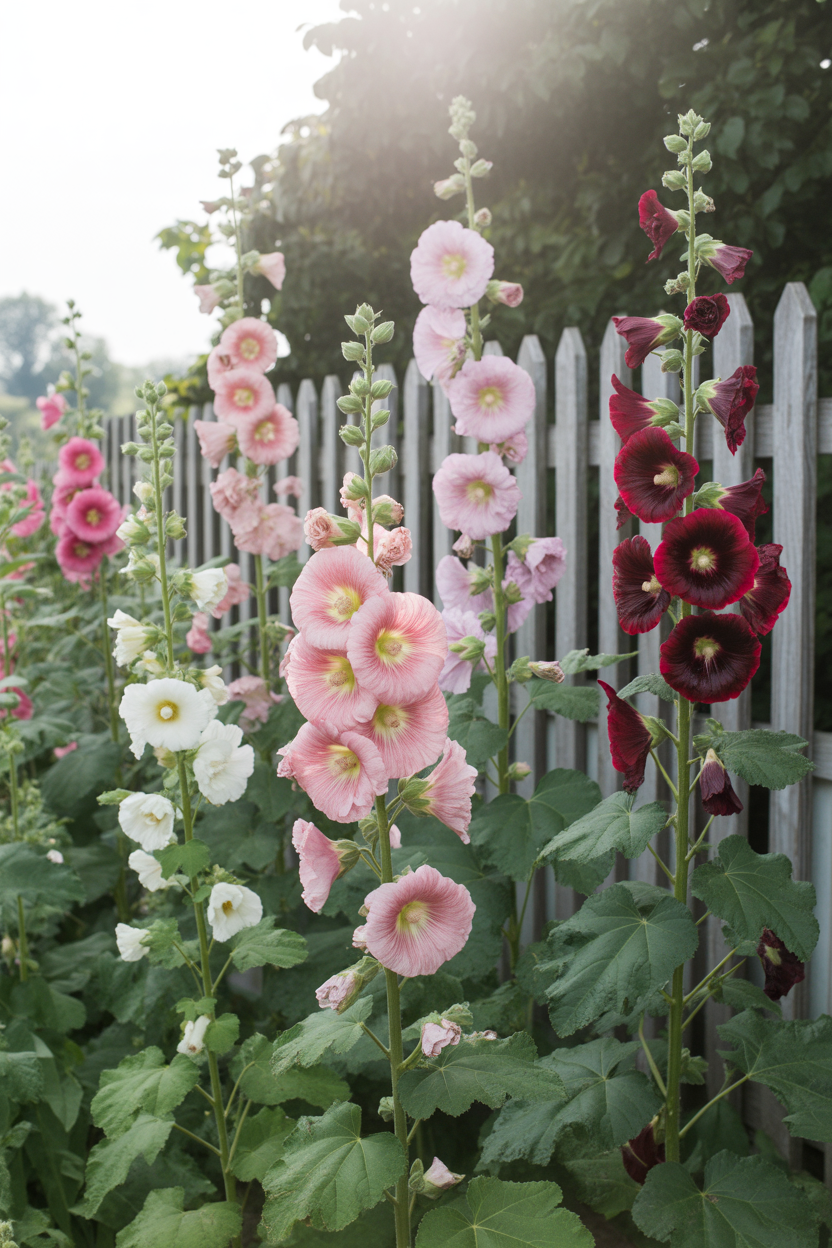
Hollyhocks — The Tall Sentinel That Defines a Cottage Garden Silhouette
If there’s one flower that screams “cottage garden,” it’s hollyhocks. These tall beauties can reach 6–8 feet, and they’re perfect lined up against a fence or wall. The way they tower over everything else gives your garden that romantic, layered look that’s so hard to fake with other plants.
They’re biennials, which means they bloom in their second year — but once established, they self-seed freely, so you’ll have blooms every year without replanting. Go for heirloom varieties like ‘Nigra’ (almost black!) or ‘Chater’s Double’ for that old-fashioned feel.
Tip: Rust disease is the main enemy. Remove affected lower leaves early in the season and avoid watering from above.
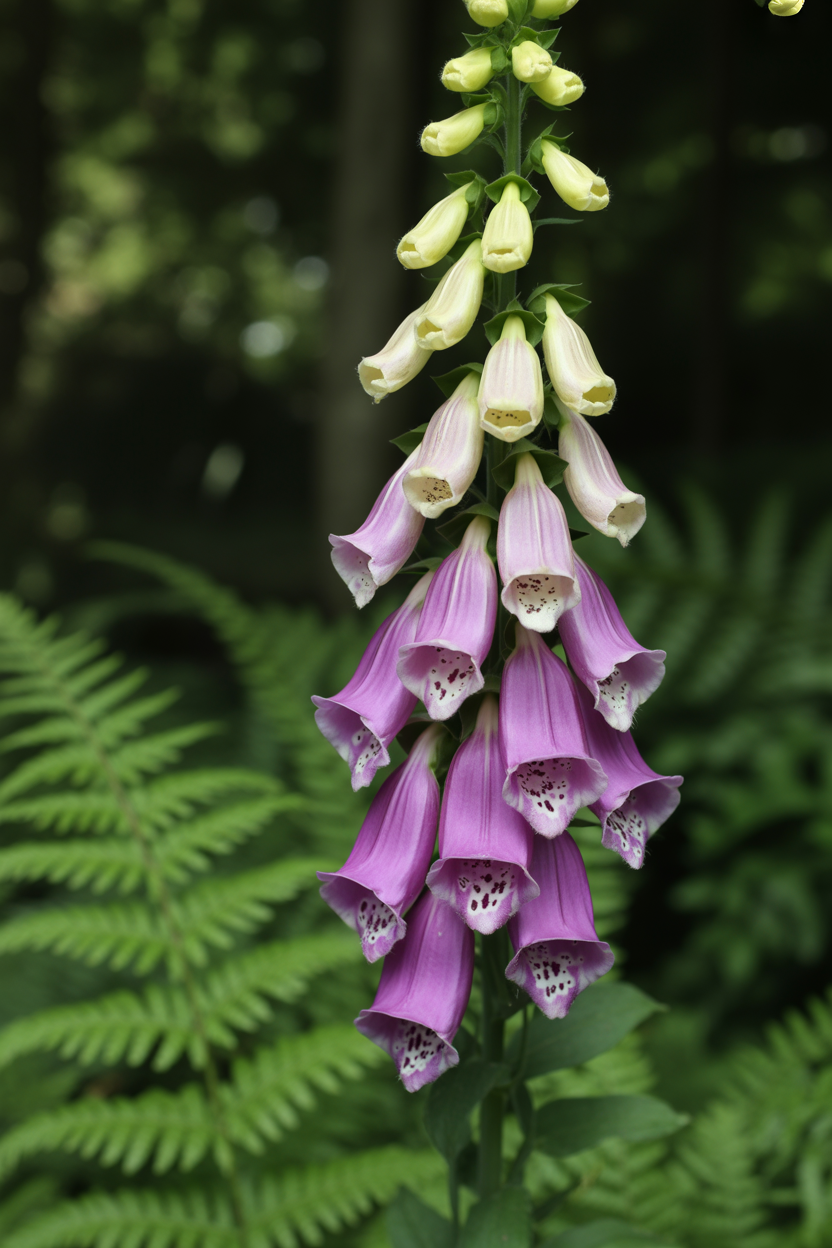
Foxgloves — the Wildly Romantic Spike Every Pollinator Will Thank You For
Foxgloves are the kind of flower that makes a garden feel enchanted. Those tall spires of spotted tubular blooms in purple, white, or pink sway in the breeze and attract bees like nothing else. They love partial shade, which makes them perfect for spots under trees where other flowers struggle.
The real magic of foxgloves is how they self-seed. Plant them once, and they’ll create little colonies around your garden over the years. White varieties like ‘Camelot Cream’ look breathtaking next to deep pink roses. Just keep them away from children and pets — all parts are toxic if eaten.
If you’re interested in indoor hydroponic gardening ideas for beginners, you’ll also love these low-maintenance indoor plant ideas.
Tip: Let a few flower heads go to seed at the end of the season. You’ll get free plants for years.
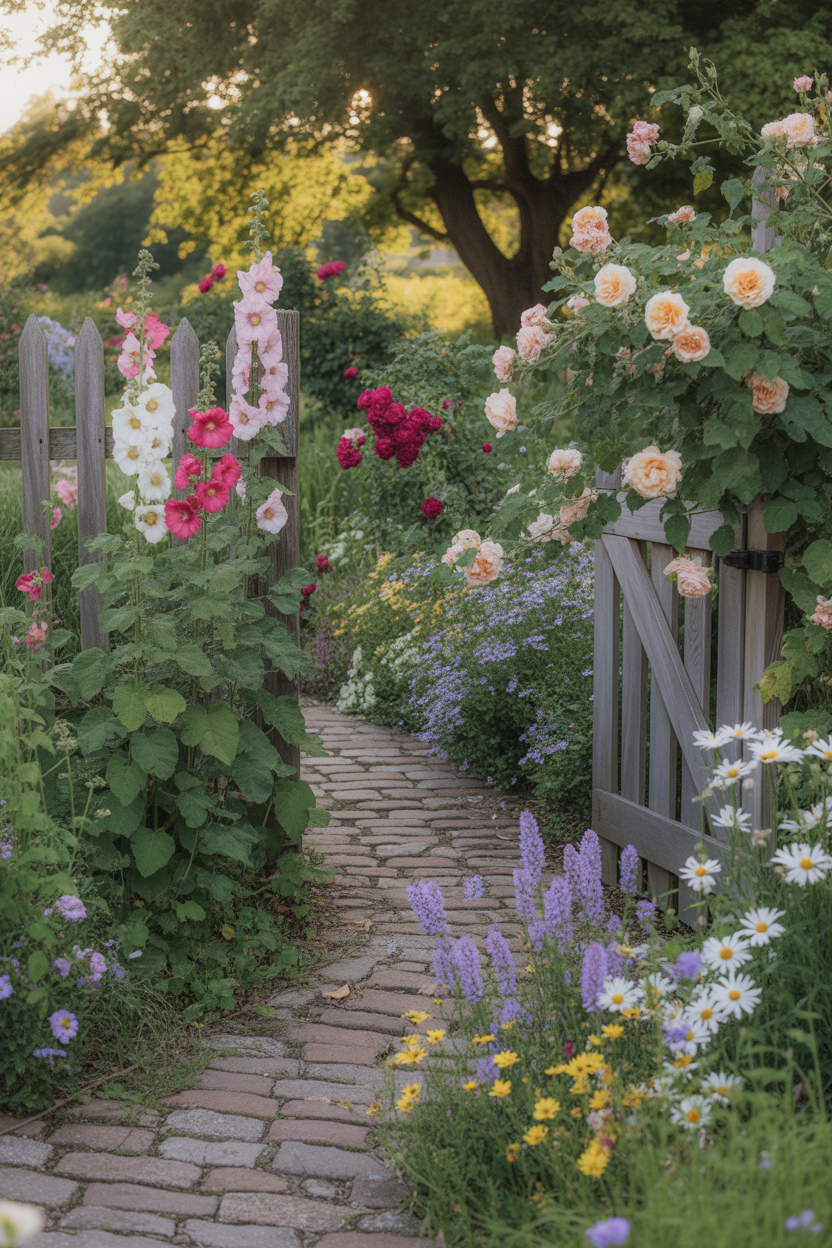
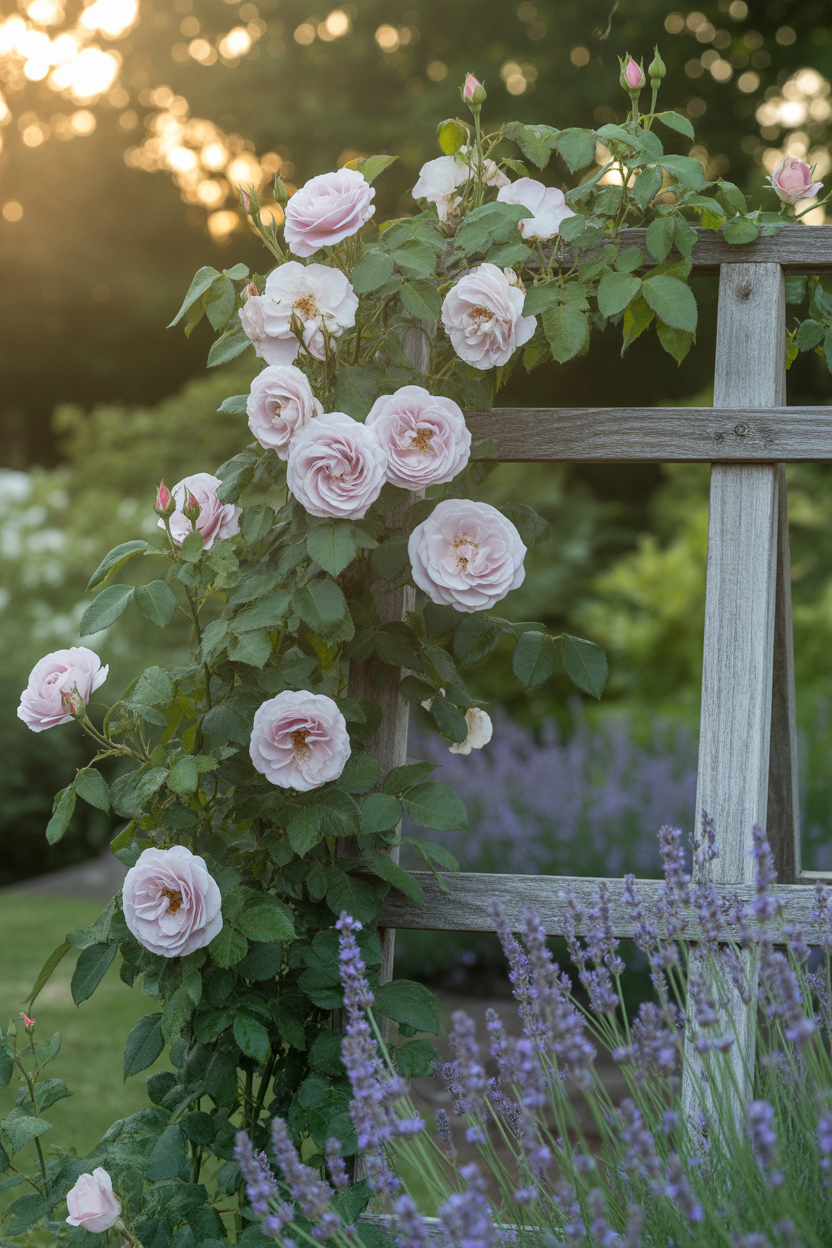
Climbing Roses — How to Train the Most Romantic Flower in Gardening History
A cottage garden without climbing roses is like a Sunday without tea. Climbing and shrub roses are what you want here — the David Austin varieties are the gold standard. ‘Gertrude Jekyll’ for fragrance, ‘The Generous Gardener’ for pale pink arching stems over a pergola.
Train them up a wooden arch and let them mingle with clematis for a layered, abundant look. Underplant with catmint or lavender at the base — the combination is one of the most Pinterest-worthy things you can do in a garden. Most repeat-blooming varieties flower from June right through to October.
Tip: Feed climbing roses with a high-potassium fertilizer in spring and after the first flush for repeat blooms.
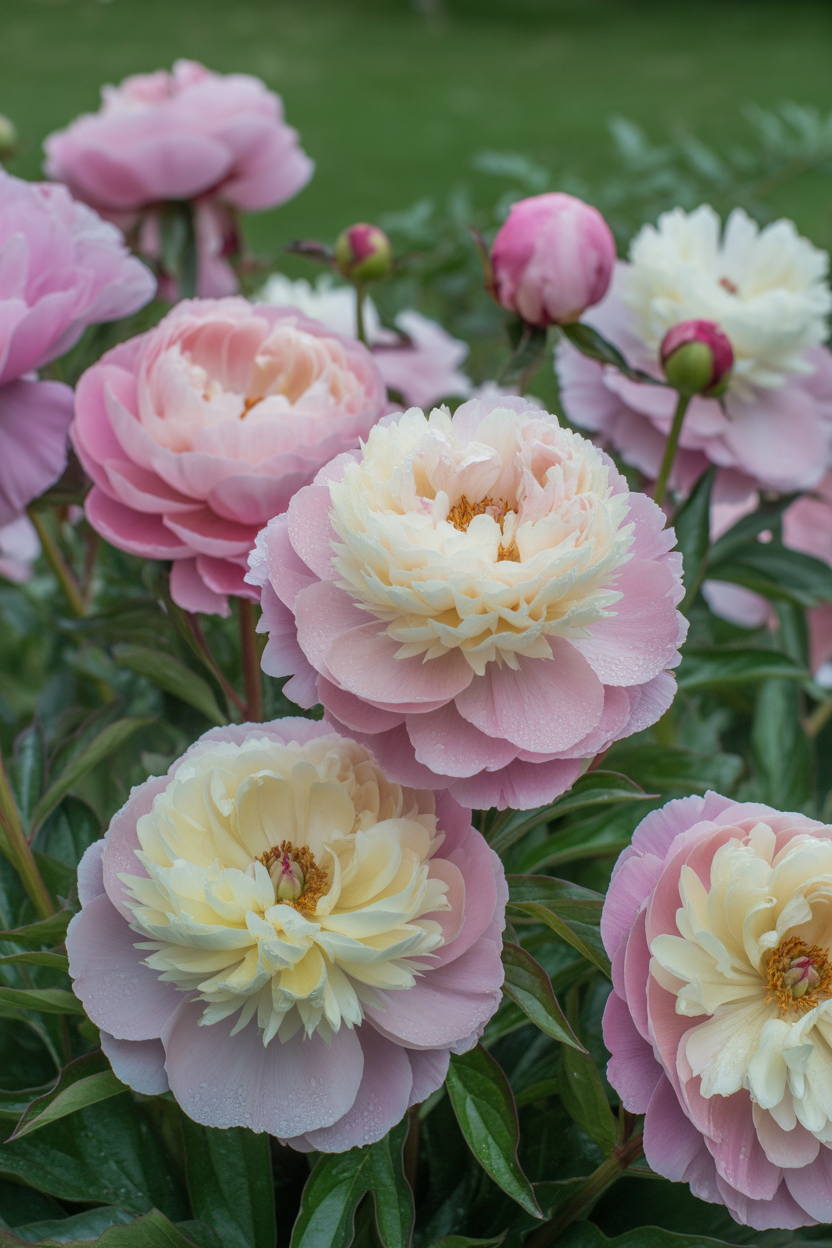
Peonies — the Flower That Lives Longer Than Your Garden
Peonies are basically a garden heirloom. Plant one now, and it could still be blooming in 50 years. They get bigger and more abundant every season, which makes them one of the best long-term investments you can make. The huge, fragrant blooms in white, pink, or deep crimson are show-stopping in late spring.
The most common mistake is planting them too deep — the red buds should be no more than an inch below the soil surface. Any deeper and they won’t flower. Give them full sun, good drainage, and basically ignore them.
Tip: Support heavy blooms with peony rings or bamboo stakes — they flop badly after rain without support.
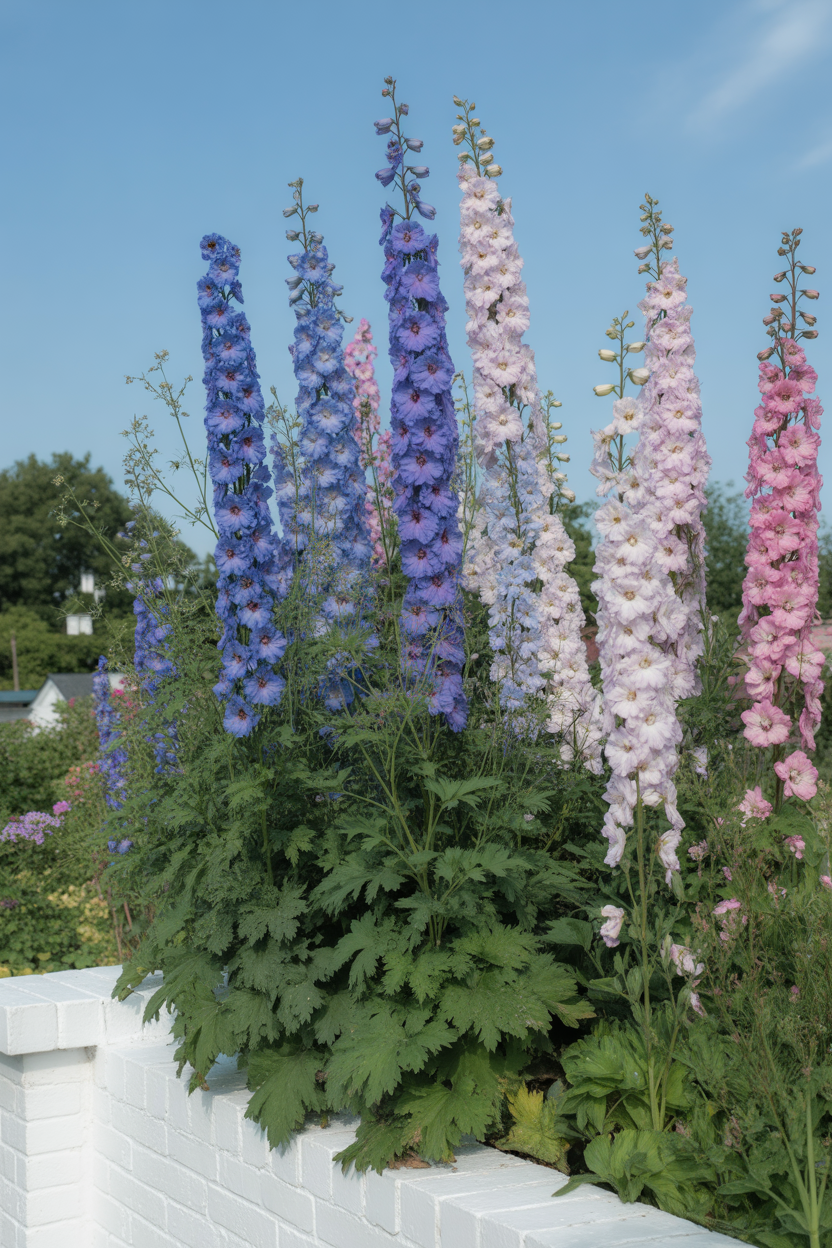
Delphiniums — Tall, Dramatic, and Surprisingly Manageable if You Know This One Trick
Delphiniums have a reputation for being fussy, but if you know one trick, they’re worth every bit of effort: cut them back hard after the first flush. Right down to the base. It feels brutal, but six to eight weeks later, you’ll get a second wave of those incredible blue and purple spikes.
They need staking — full stop. Get your stakes in early before the spikes form. Belladonna types are shorter and less prone to flopping if you want something more manageable. That rich blue is almost impossible to find elsewhere in the garden.
Tip: Delphiniums love a mulch of well-rotted manure in autumn — it feeds them slowly all winter.
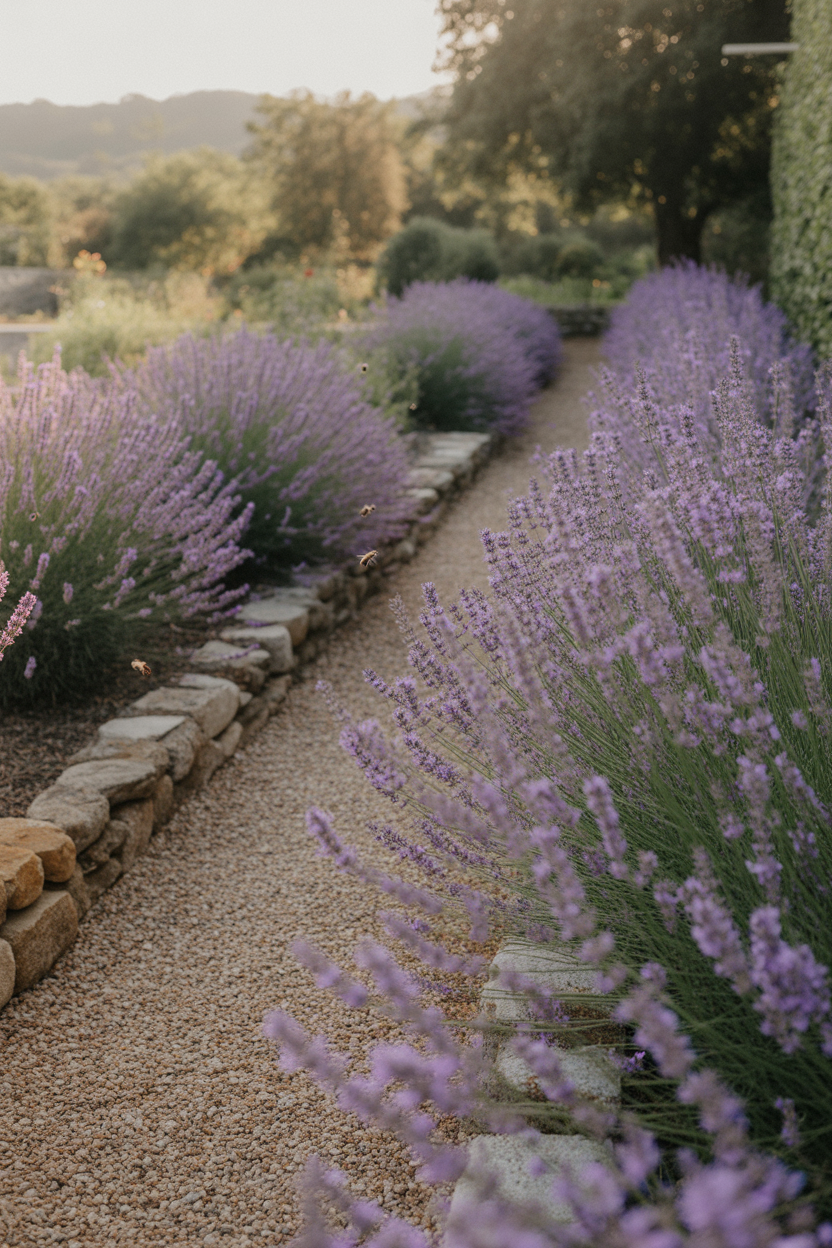
Lavender — Not Just a Filler Flower, but the Backbone of the Whole Border
Most people treat lavender as an afterthought — a filler to plug gaps. But the best cottage garden designers use it as a structure. A low hedge of lavender along a path edge, or a mass planting at the front of a border, ties the whole thing together and makes all the other colors pop.
For compact borders, go for ‘Hidcote’ or ‘Munstead’ — both stay neat and flower reliably. The fragrance alone makes it worth growing. Harvest bundles just before the flowers fully open and hang them to dry for sachets — a beautiful bonus.
Tip: Prune lavender after flowering — take off about a third, but never cut into old wood or you’ll lose the plant.
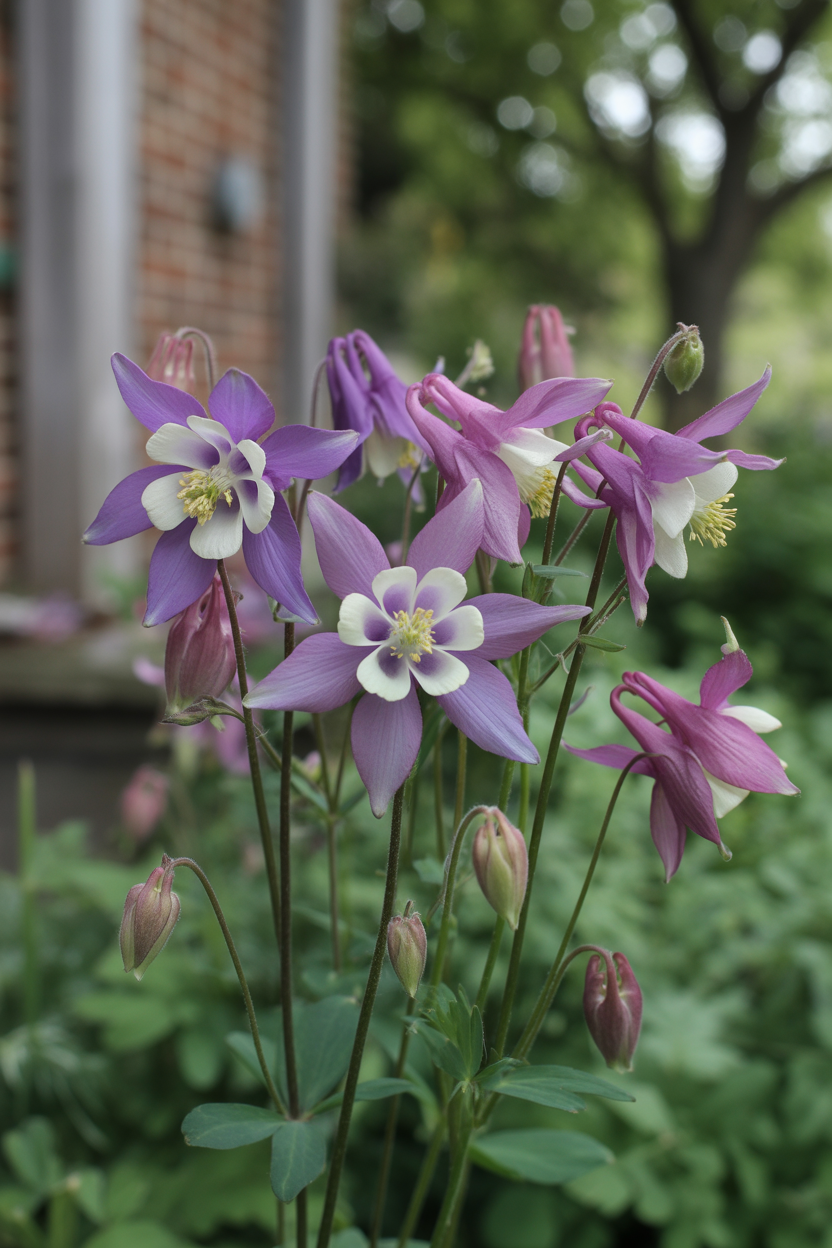
Aquilegia (Columbine) — the Self-Seeding Gem That Creates a Natural Colony
Aquilegias are one of those flowers that should be in everyone’s cottage garden. The blooms are incredibly intricate — spurred, multi-colored, like something from a fairy tale. They come in every combination: purple and white, red and gold, soft pink and cream. And they grow happily in partial shade, which is rare for such a pretty flower.
The best part? Let them go to seed, and they’ll cross-pollinate with each other, creating unique color combinations you can’t buy in any packet. Over a few years, you end up with a whole natural colony in unexpected spots. That’s exactly what a cottage garden should feel like.
Tip: Don’t deadhead all the flowers — leave some to set seed and watch them pop up in surprising places next spring.
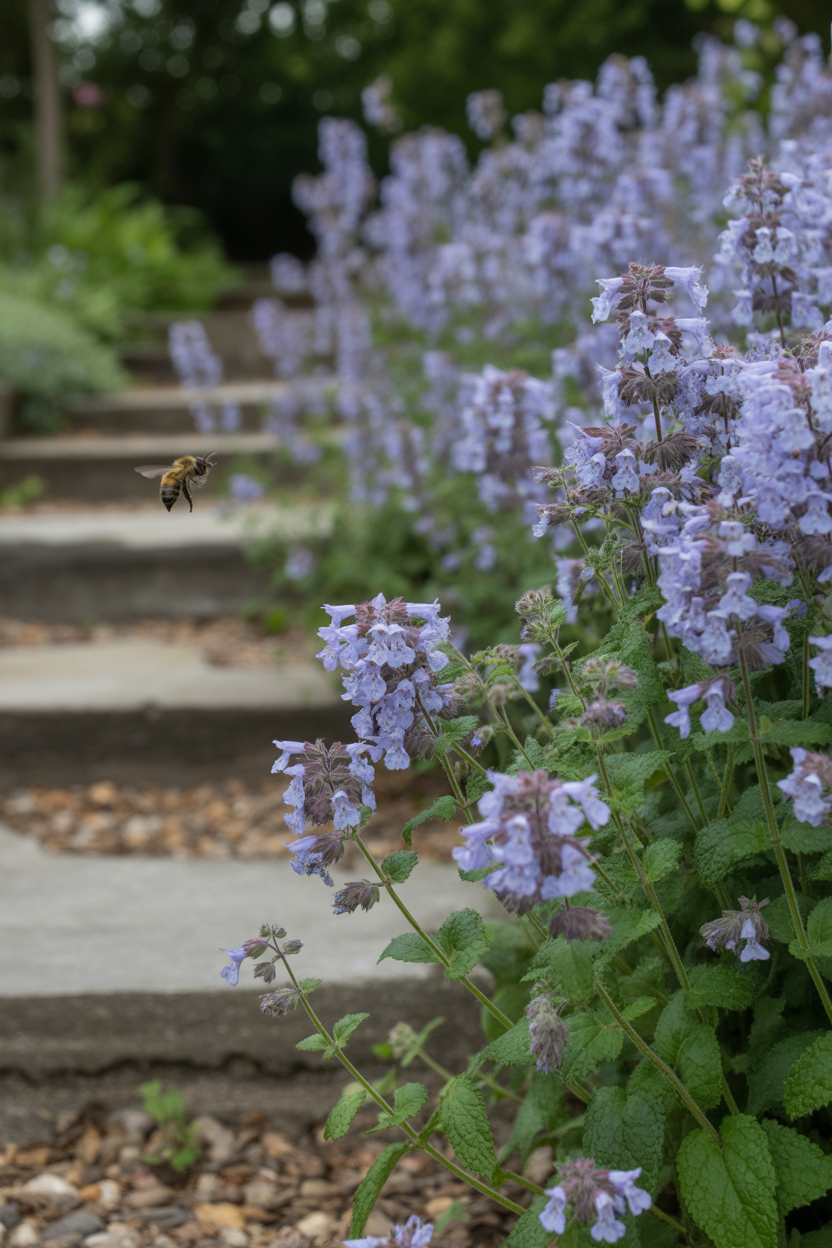
Catmint (Nepeta) — the Low-Maintenance Edging Plant That Blooms for Months
If you’ve never tried catmint, you’re missing out on one of the hardest-working plants in the cottage garden. It forms beautiful mounds of silver-green foliage covered in small lavender-blue flowers from late spring onward. It’s drought-tolerant, loved by bees, and looks beautiful spilling over path edges.
The secret to a longer flowering season: cut it back by half after the first big flush in June. New growth appears within weeks, and you’ll get a second bloom that often lasts into autumn. ‘Walker’s Low’ is the most reliable variety.
Tip: Catmint pairs beautifully with roses — plant it at their feet for a classic cottage garden look.
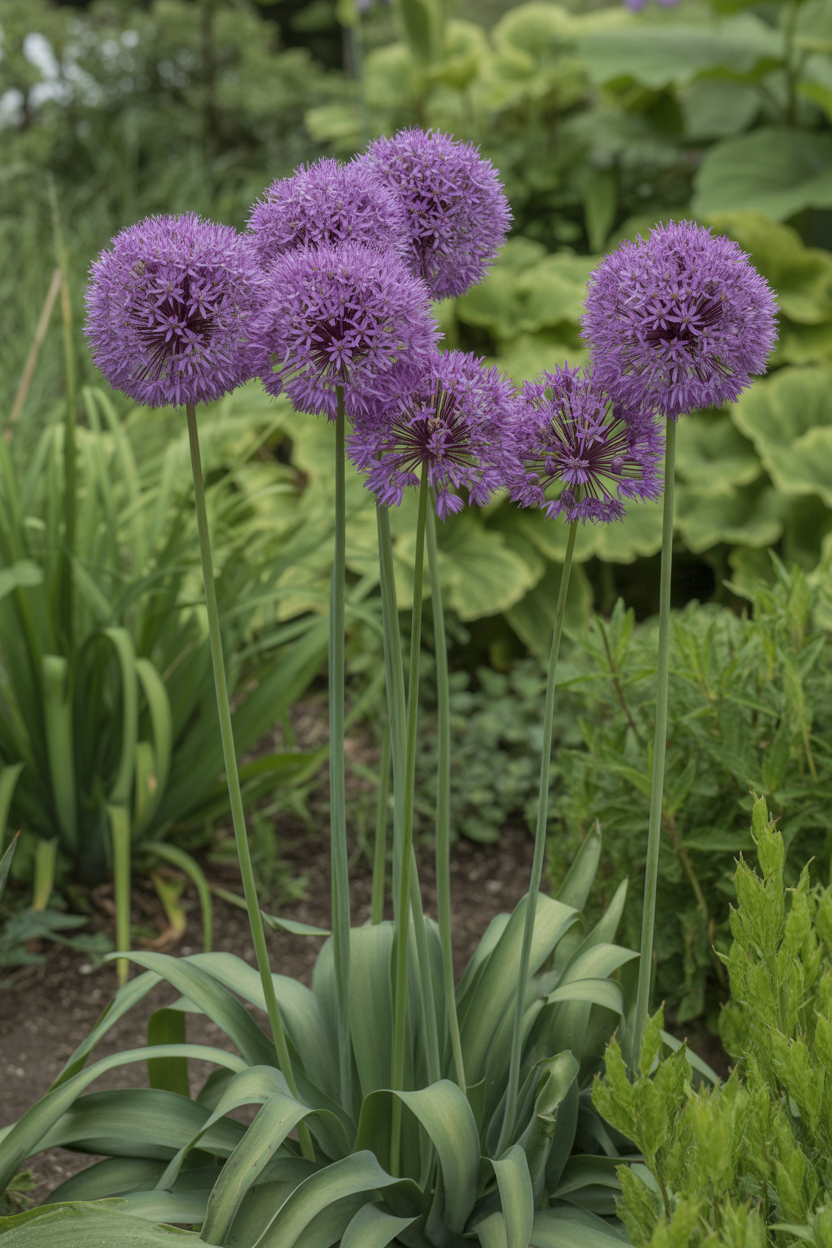
Alliums — the Architectural Purple Globes That Make a Garden Look Designed
Alliums are the secret weapon of garden designers. Those perfect spheres of tiny purple flowers on tall stems look almost too perfect to be real — but they’re incredibly easy to grow. Plant the bulbs in autumn, forget about them, and by late spring you’ve got these dramatic globes bobbing above everything else.
They’re the perfect bridge between spring tulips fading out and summer perennials coming in. ‘Gladiator’ and ‘Globemaster’ are the big, impressive ones. The fading seed heads look beautiful too, so don’t cut them too soon.
Tip: Plant allium bulbs between perennials so the neighboring plants hide the dying foliage after flowering.
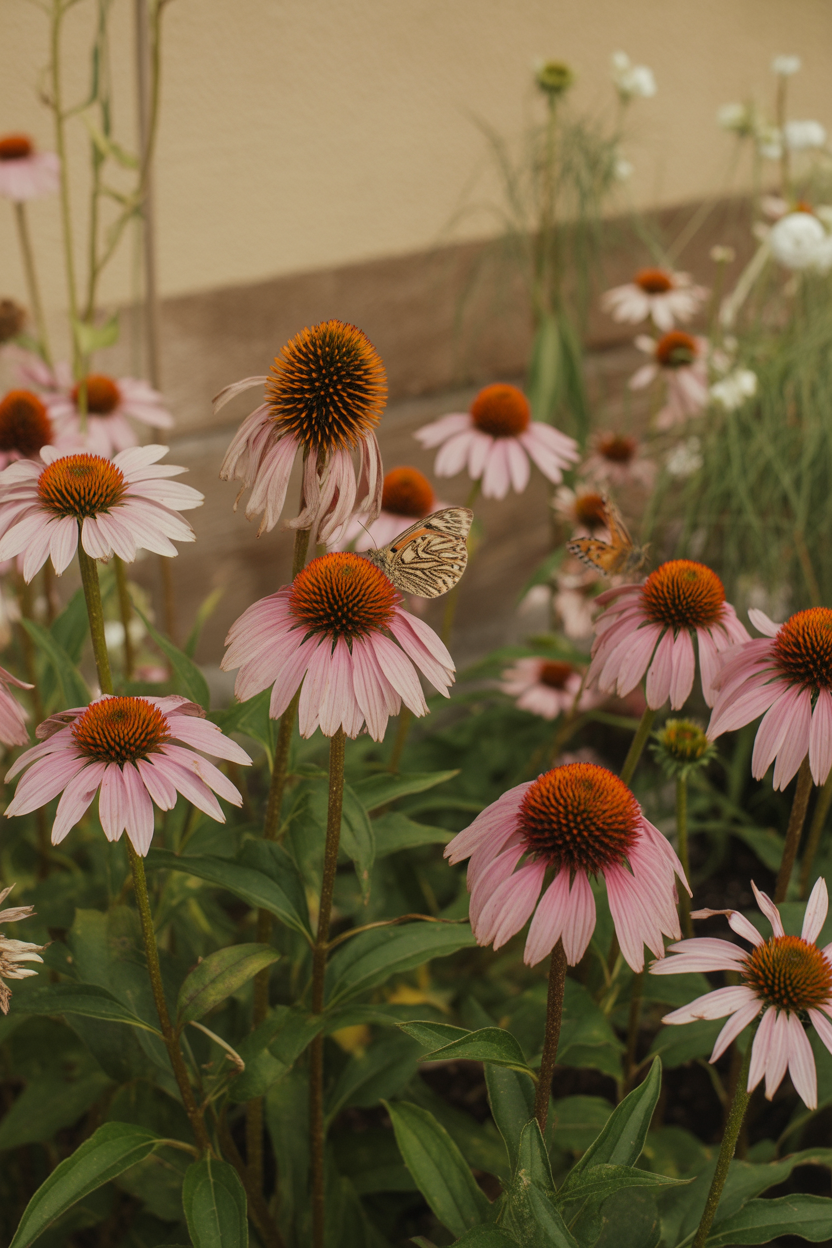
Echinacea (Coneflower) — the Long-Blooming Native That Supports Pollinators Until Frost
Echinacea is having a real moment right now, and it deserves it. Once established, it’s incredibly drought-tolerant, blooms from midsummer well into autumn, and the seed heads stay decorative through winter — feeding birds when nothing else does.
What I love most is how it fills that awkward August gap when many cottage garden flowers have finished. Plant it with salvia and rudbeckia for a late-season trio that’s practically self-sustaining.
Tip: Don’t cut down echinacea stems in autumn — leave the seed heads for birds like goldfinches through winter.
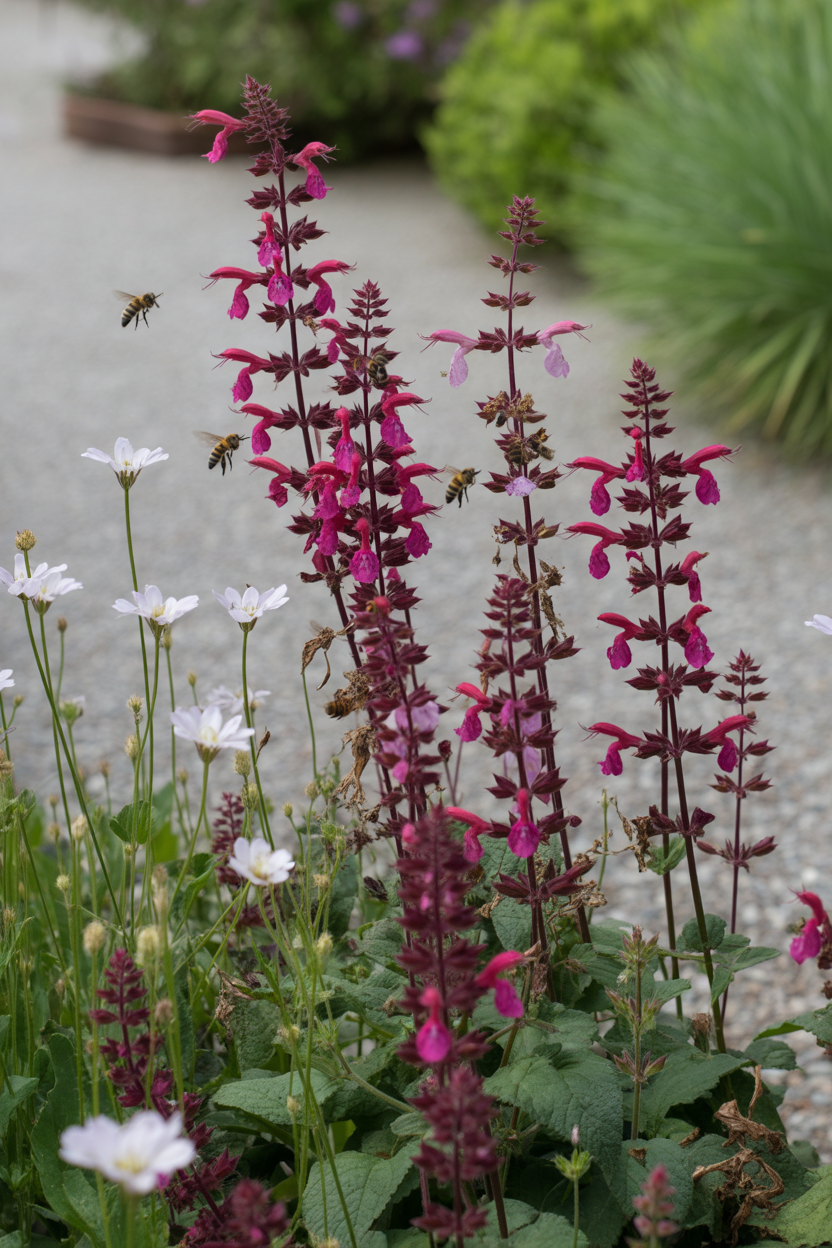
Salvia — the Bee-Beloved Blue Spike That Fills the Midsummer Gap Perfectly
Salvias are absolute workhorses in the cottage garden. The perennial varieties — especially ‘Caradonna’ with its dark stems and violet-blue flowers — bloom for weeks, and cutting them back halfway through the season triggers a second flush. They’re heat-tolerant, drought-tolerant, and bees are obsessed with them.
For cottage garden style, stick to the blue and purple varieties rather than bright red bedding salvias. ‘May Night’ is another classic — shorter and very neat for border edges.
Tip: Perennial salvias don’t always need winter protection if you avoid cutting them back until spring — the old stems protect the crown.
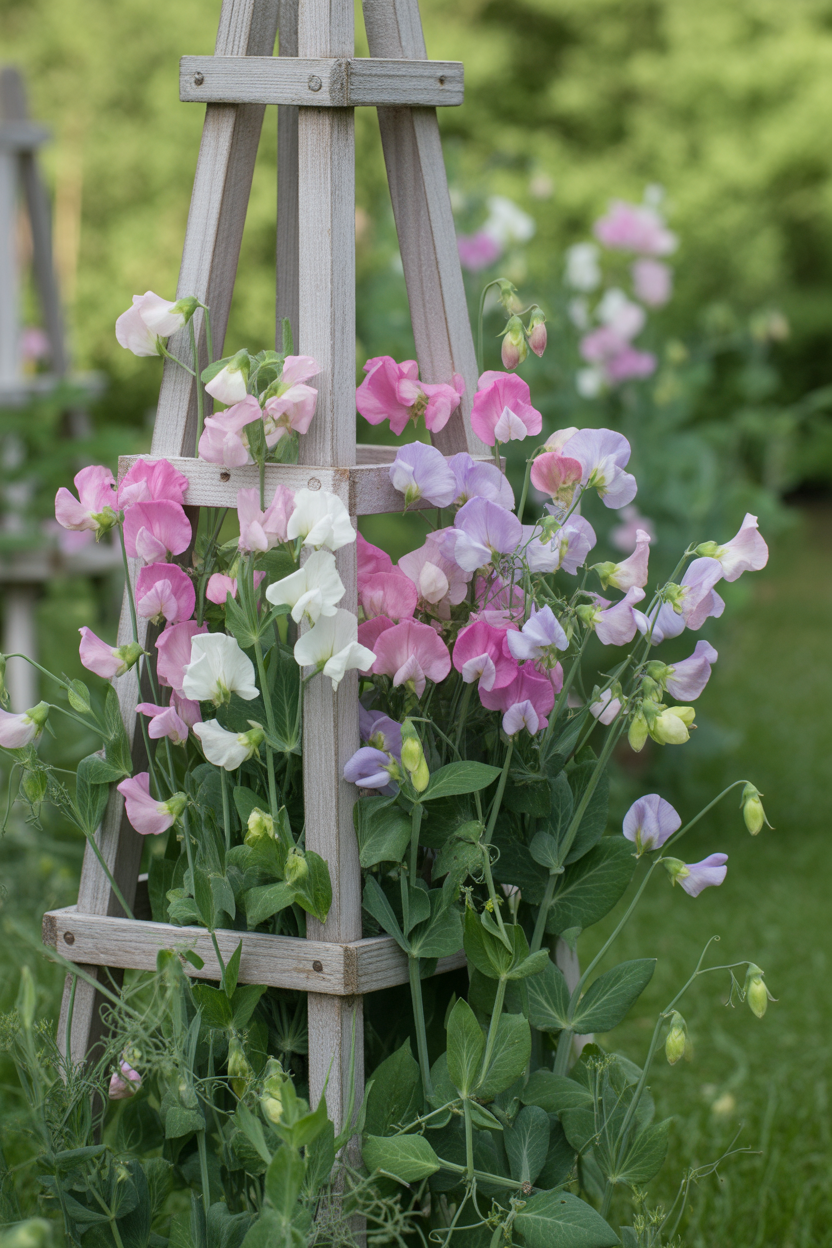
Sweet Peas — the Climbing Flower with the Most Intoxicating Scent in the Garden
No other flower comes close to sweet peas for scent. Cut a bunch for the kitchen table, and the whole room smells incredible. They’re annual climbers that grow fast once the weather warms up — perfect for weaving up obelisks, trellises, or through an old shrub rose.
For the best fragrance, go for old-fashioned grandiflora varieties like ‘Matucana’ or ‘Painted Lady.’ The golden rule: the more you cut, the more they flower. Don’t leave seed pods to form, or the whole plant stops producing.
Tip: Soak seeds in water overnight before planting to speed up germination — they have a tough seed coat.
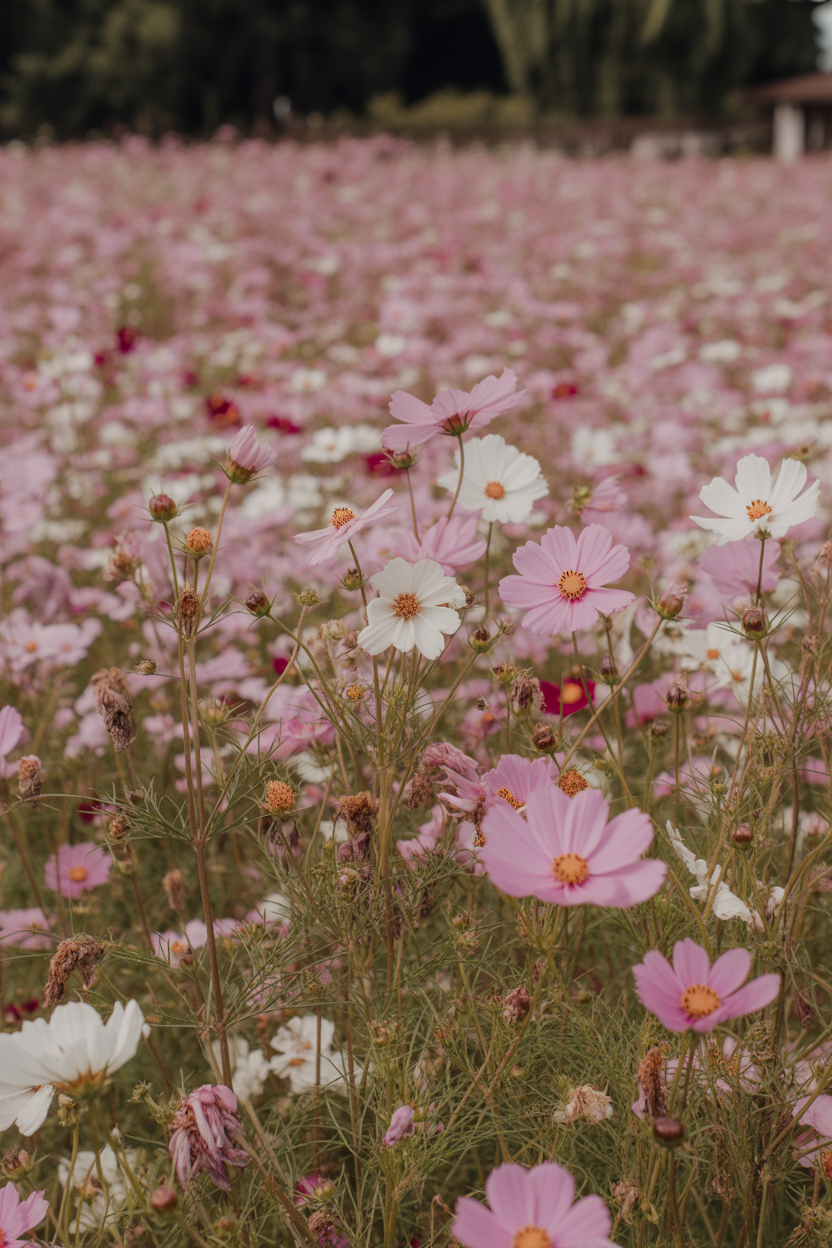
Cosmos — the Feathery Annual That Makes Any Border Look Like a Wildflower Meadow
Cosmos might be the easiest flower on this entire list. Sow seeds directly in the ground from late spring, barely cover them with soil, and they will germinate in days. By midsummer, you’ve got tall, feathery plants covered in daisy-like flowers in pink, white, and magenta.
Here’s the thing most people get wrong: cosmos actually prefers poor soil. Rich soil gives you lots of leaves and fewer flowers. So don’t feed them and don’t overwater.
Tip: Direct sow cosmos every two to three weeks until early July for flowers right up to the first frost.
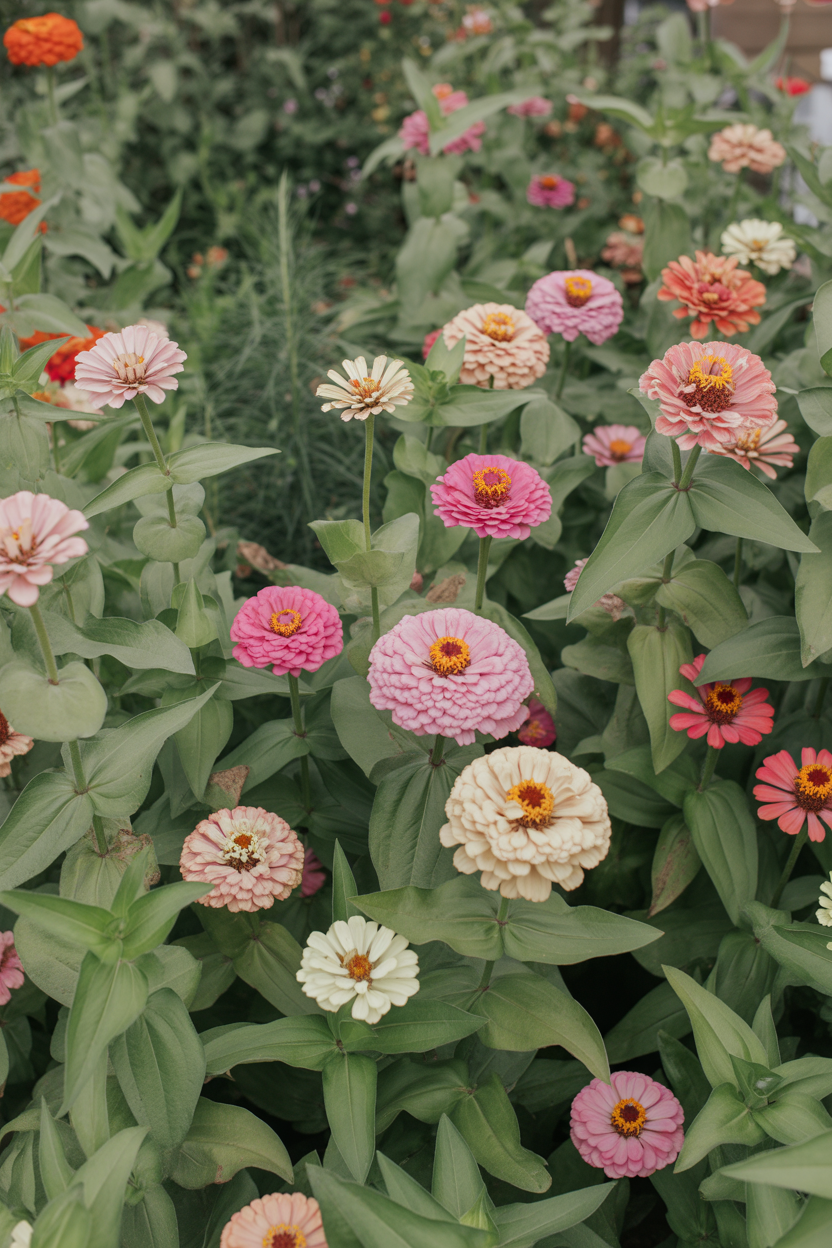
Zinnias — the Boldest Annual That Blooms from June Until the First Hard Frost
Zinnias are the gift that keeps on giving. Once they start flowering — usually six to eight weeks after sowing — they don’t stop until frost. Every cut stem triggers two or three new ones. They love heat, handle dry spells well, and butterflies adore them.
For cottage garden style, skip the neon orange and go for softer heirloom types. ‘Benary’s Giant’ in salmon, blush, or white looks gorgeous. ‘Queen Lime’ is a trendy antique-toned variety that works beautifully with roses.
Tip: Pinch out the first central bud when the plant has 3–4 pairs of leaves — you’ll get a much bushier plant with more stems.
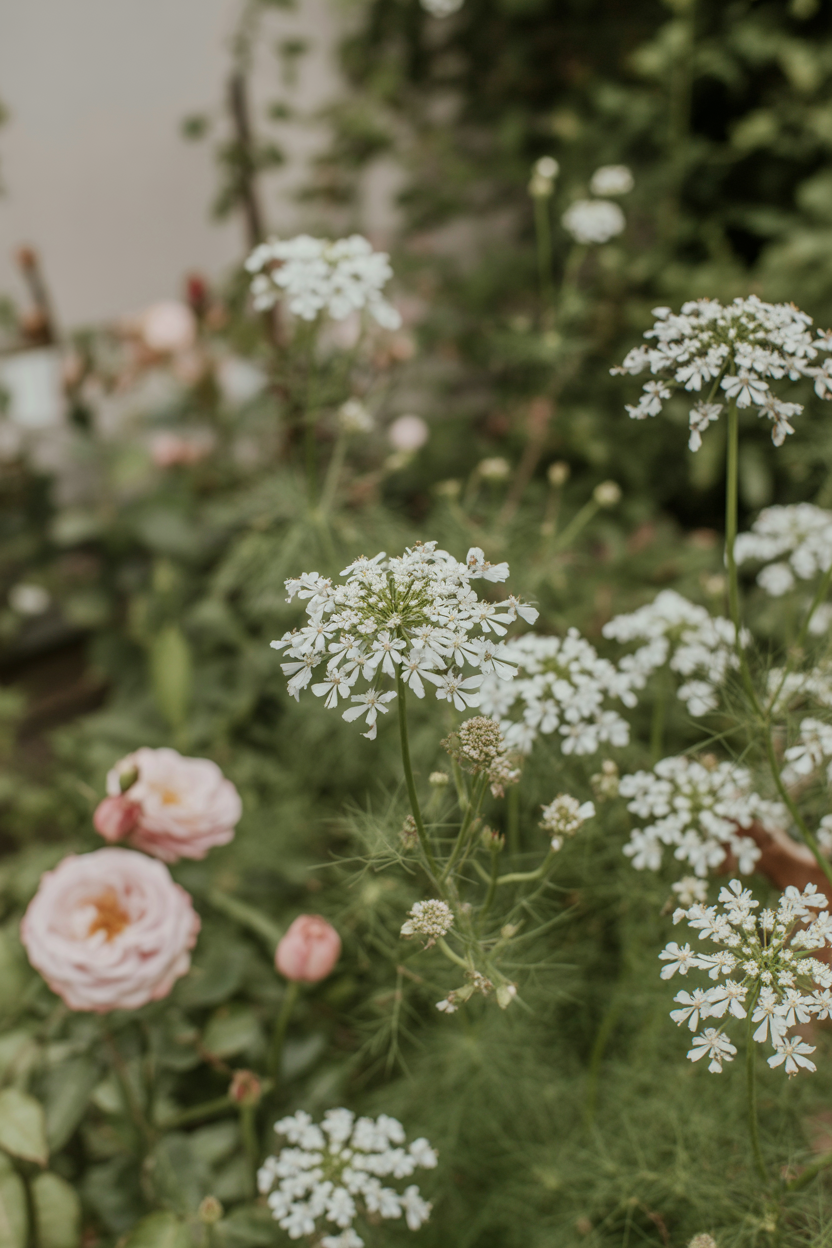
Ammi Majus (Bishop’s Flower) — the Elegant White Filler
Ammi majus is the plant florists rely on to make every bouquet look more expensive — and it does the same thing in the garden. Those flat, lacy white umbels float above the border like a cloud, softening bold colors and giving structure to loose, informal plantings.
Direct sow in autumn or early spring — it doesn’t like being transplanted. In the border, it works as the perfect connector between tall plants like delphiniums and lower bloomers like lavender.
If you’re loving these summer garden flowers that thrive in full sun, you’ll also enjoy these easy flowers that bloom all season long.
Tip: Sow ammi in several batches from autumn through early spring to extend the flowering season as long as possible.
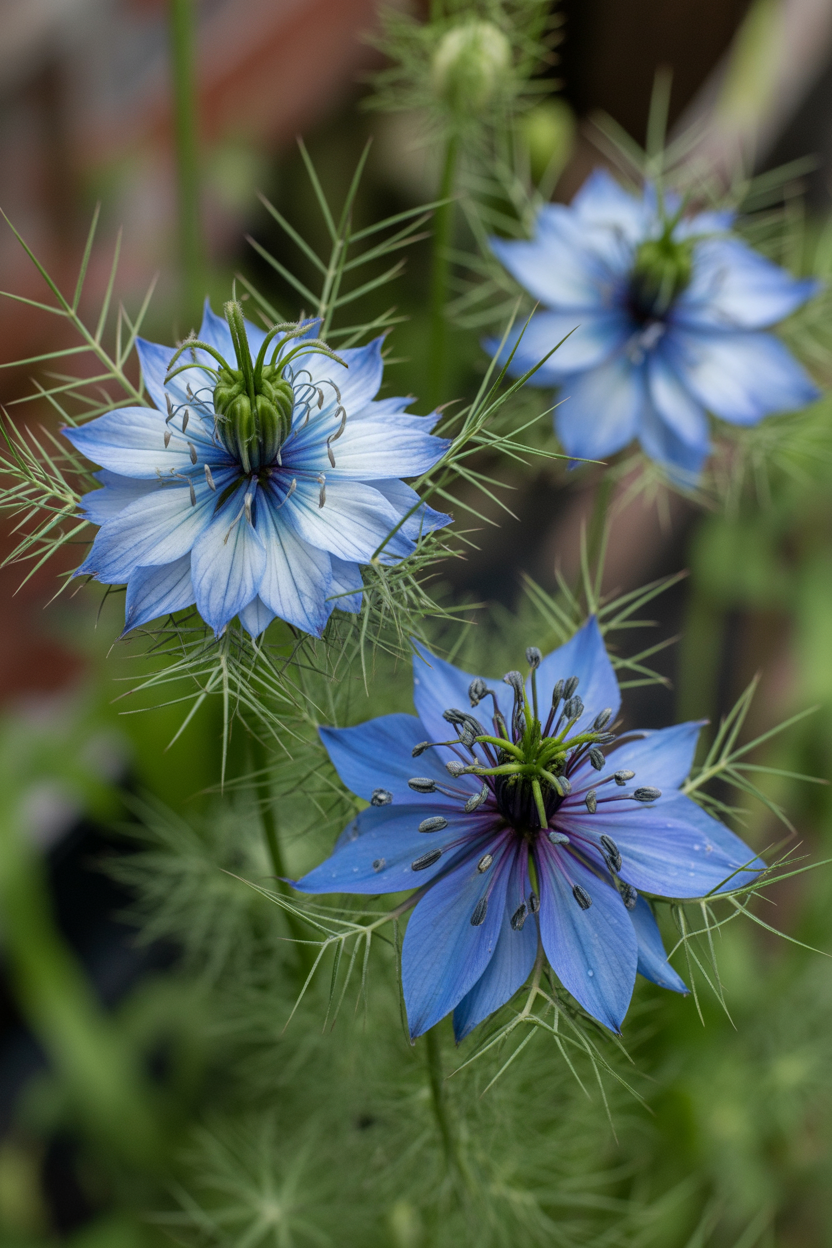
Nigella (Love-in-a-Mist) — the Old-Fashioned Annual That Looks Like Pure Cottage Magic
The name ‘love-in-a-mist’ is spot on. Nigella flowers sit inside a haze of feathery green bracts that frame each bloom like a little window. It’s a scatter-sow flower — just broadcast seeds over bare soil in autumn or early spring, and it does the rest.
After the flowers fade, the inflated seed pods are equally decorative — striped and papery, perfect for dried arrangements. Because it sets seed so freely, Nigella naturalizes easily and pops up in the most charming, unexpected spots.
Tip: Scatter nigella seed over bare soil between perennials in autumn and again in early spring for two waves of flowers.
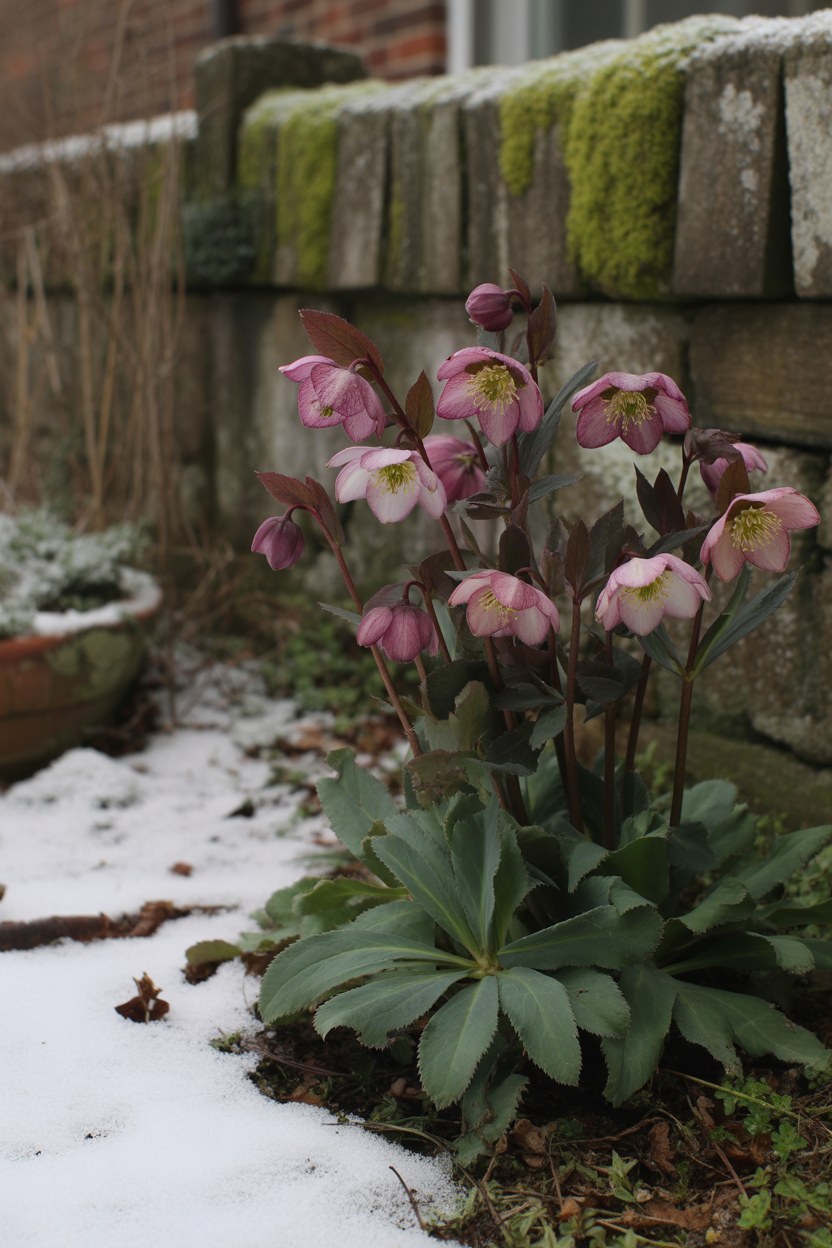
Hellebores — the Extraordinary Flower That Blooms When Nothing Else Dares To
Hellebores are the most underrated plants in the cottage garden world. They flower in late winter and early spring — sometimes right through snow — when everything else is completely dormant. That alone makes them priceless.
They’re shade-tolerant, long-lived, and now available in incredible colors from slate grey to near-black to double-frilled pink. Remove last year’s leaves in early winter to show off the flowers. They develop slowly — don’t expect much the first year, but by year three, they’ll be magnificent.
Tip: Plant hellebores on a slight slope or raised bed so you can see the downward-facing blooms more easily.
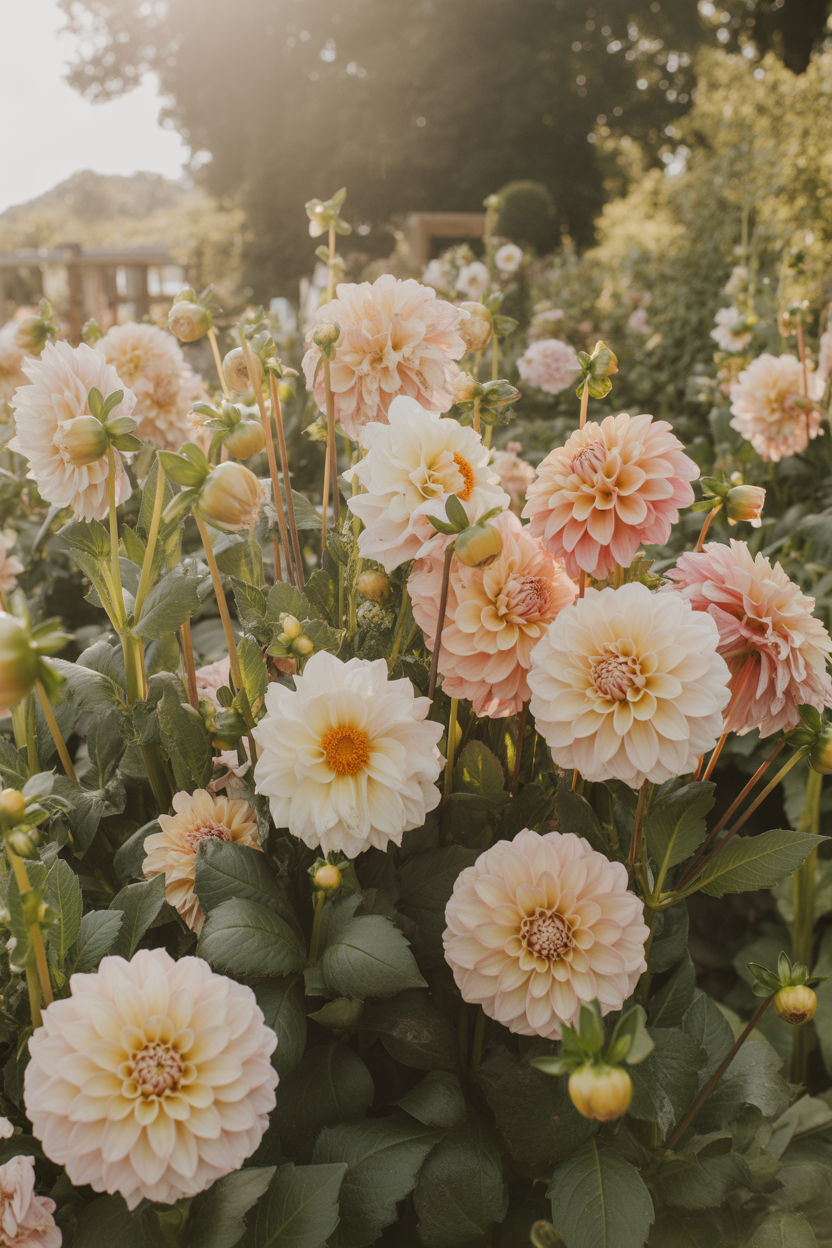
Dahlias — the Show-Stopping Late-Summer Flower That Rescues a Fading Cottage Border
By August, many cottage gardens start looking a bit tired. That’s exactly when dahlias take over. They start flowering in midsummer and just keep going right until the first hard frost. For cottage garden style, ‘Café au Lait’ (creamy peach, almost too beautiful to be real) and the Bishop series with dark foliage are the ones to grow.
Pinching out the growing tip when the plant is about 12 inches tall forces multiple stems instead of one and gives you way more flowers. The more you cut dahlias, the more they bloom — so cut freely and enjoy them indoors too.
Tip: In cold climates, dig tubers up after the first frost and store them in dry compost in a cool shed.
Frequently Asked Questions
What are the easiest cottage garden flowers for beginners?
Cosmos, zinnias, and nigella are the easiest — all direct sow, low maintenance, and fast to flower. For perennials, catmint and echinacea are virtually no-fuss once established.
Do cottage garden flowers come back every year?
It depends on the plant. Perennials like lavender, echinacea, salvia, and hellebores return every year. Biennials like hollyhocks and foxgloves self-seed freely. Annuals like cosmos and zinnias need replanting, but many self-seed, too.
What flowers make a cottage garden look full?
Mass planting is the key. Group at least 3 of each variety together instead of dotting individual plants around. Fill gaps with self-seeding annuals like nigella and ammi for that naturally full, lush look.
Can I grow cottage garden flowers in a small garden?
Absolutely. Choose compact varieties and use vertical space with sweet peas, climbing roses, or clematis. Even a few pots on a patio can have a cottage feel with the right plant combinations.
Conclusion
A cottage garden isn’t about perfection — it’s about abundance. The more you plant, the more it fills in, self-seeds, and takes on a life of its own. Start with two or three plants from this list that catch your eye, see how they do in your space, and build from there.
The flowers on this list aren’t just pretty — they’re reliable, pollinator-friendly, and genuinely designed to make your life easier. Most of them want to grow. Your job is to give them a chance.
If you found this helpful, save it for later and share which cottage garden flowers you’re planting this season!